
Singapore River
Explore the story of Singapore River – from its early days as a bustling trading port to the vibrant waterfront destination we enjoy today.
Last updated on 25 June 2026
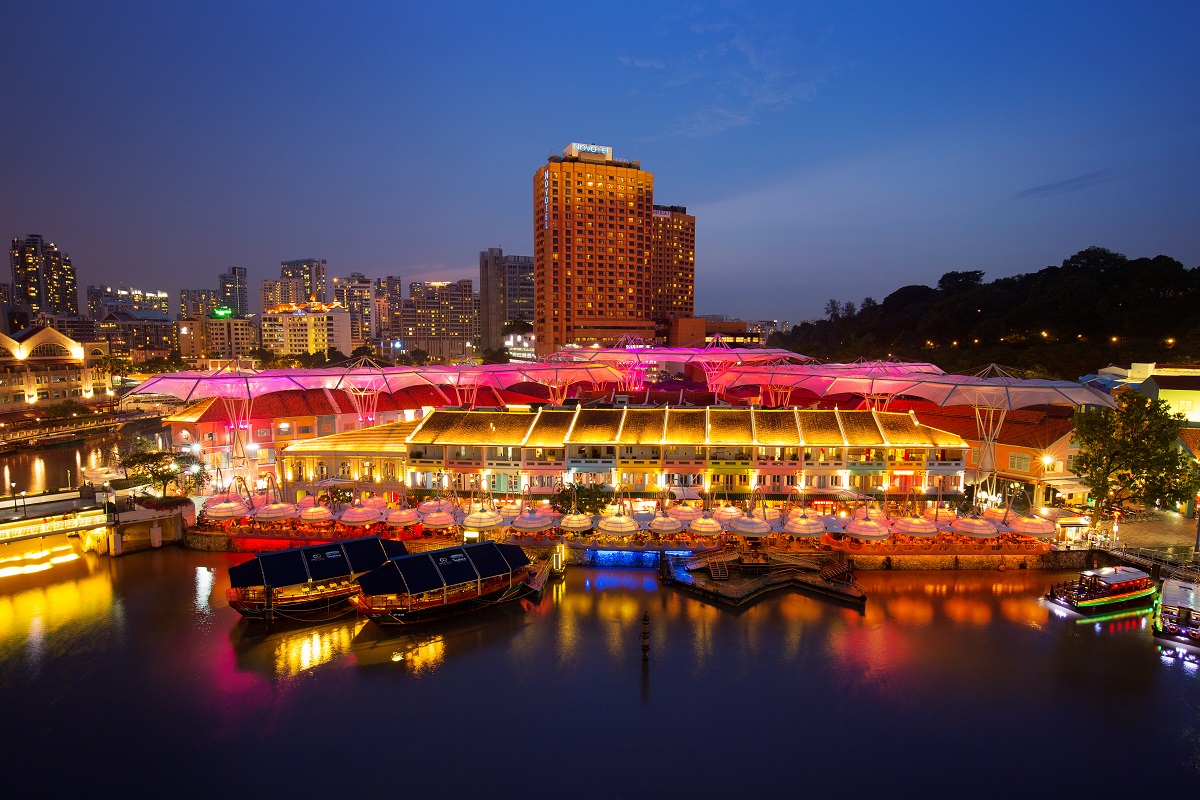
Singapore River at night.
Singapore River’s origin: where our story flows
Singapore River has long been at the heart of Singapore’s growth and identity.
According to the Malay Annals, the mouth of the Singapore River was once home to an ancient fishing village (opens in new tab) known as Temasek, which was later renamed Singapura by Sang Nila Utama in 1299. When Sir Stamford Raffles founded modern Singapore in 1819, he recognised the river’s strategic value and designated it as a trading port to drive commercial trade for the British Empire.
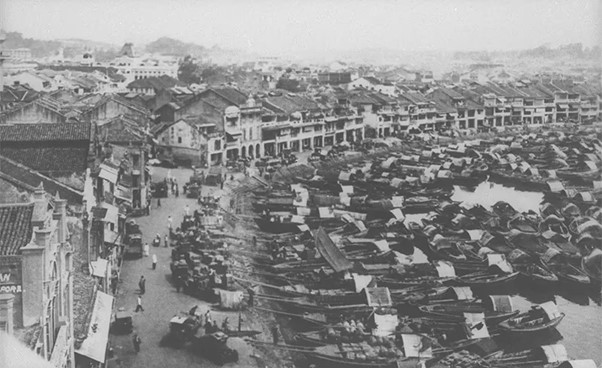
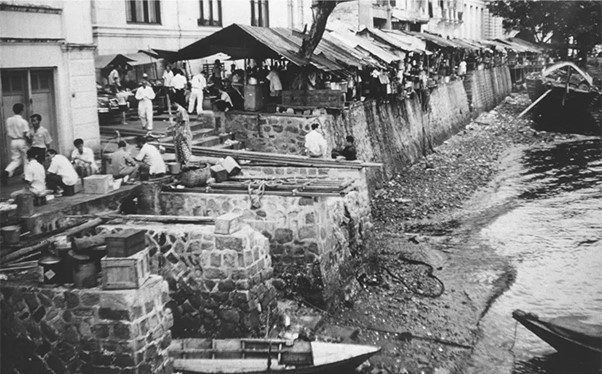
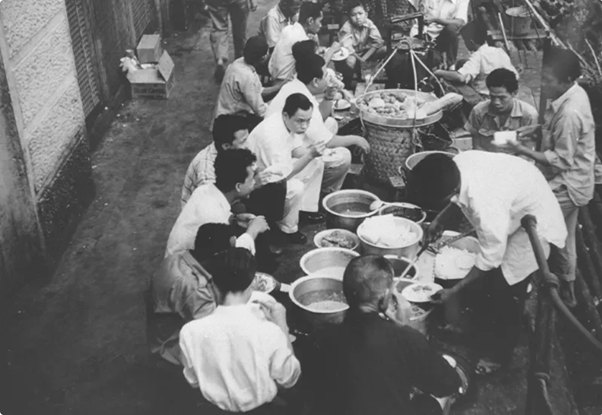
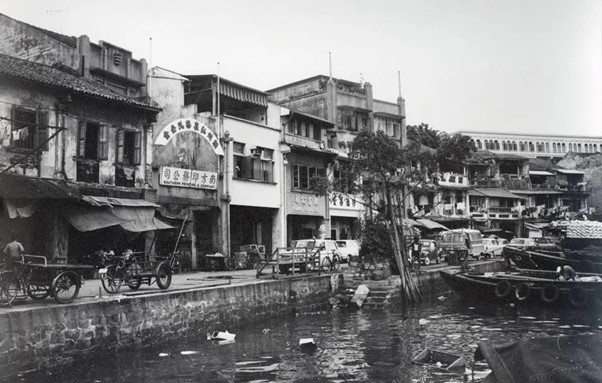
Boat Quay, Singapore’s first quay, was built in 1823. By the 1860s, it handled three-quarters of Singapore’s shipping trade. Bumboats and sampans carrying goods jostled for space in the river, merchants set up businesses in the shophouses lining its banks, and labourers toiled from dawn till dusk. Communities and businesses flourished along the riverbanks, shaping the area into the centre of commerce and daily life.
By the 1970s, rapid urbanisation and industrial activity had severely polluted the river. The overwhelming stench became a defining – albeit unwelcome – memory for many Singaporeans. In 1977, then-Prime Minister Lee Kuan Yew launched an ambitious clean-up programme to transform the polluted waterway into a clean and vibrant space.
Revitalising Singapore River: from trading port to lifestyle destination
The completion of the river clean-up in 1987 marked a fresh start for Singapore River. URA was tasked to revitalise the area, and transform it into a vibrant destination for entertainment, lifestyle and culture, leveraging the attractive waterfront setting. This was done through strategic master-planning, infrastructure upgrades to support new developments, and the conservation and adaptive reuse of historic buildings. New developments were carefully designed to complement, rather than overshadow, the river’s distinctive character.
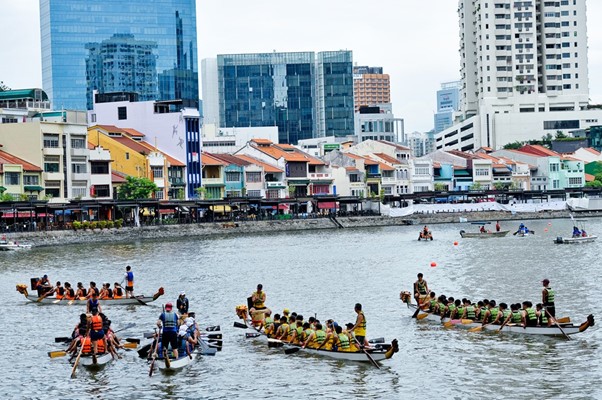
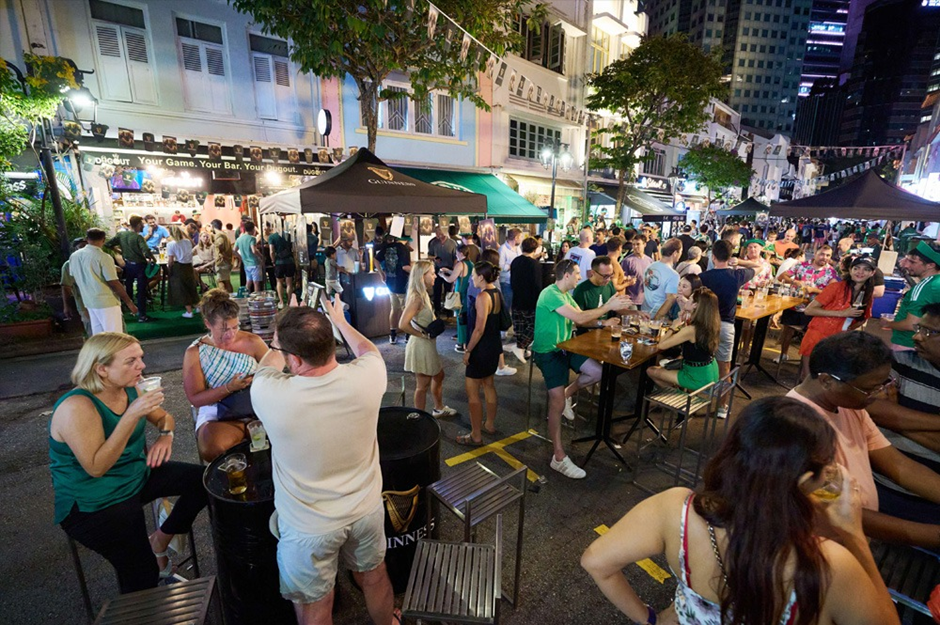
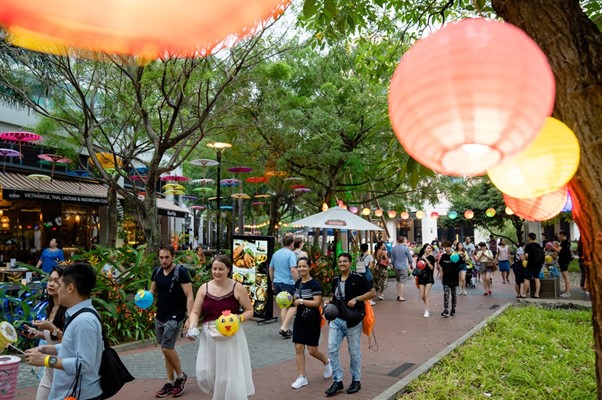
To sustain efforts in making the Singapore River precinct a vibrant and inclusive destination, URA worked closely with private and public sector stakeholders, leading to the formation of Singapore River One (opens in new tab) (SRO) in 2012. Established by private sector stakeholders as a not-for-profit organisation, SRO helped drive the revitalision of the Singapore River precinct through coordinating promotion and marketing efforts, as well as organising signature events and activities, such as the annual Singapore River Festival and St Patrick’s Day Street Festival. They also implemented public space enhancement projects such as playground, public seating and underpass murals to make the area more vibrant and attractive. In 2017, Singapore River became the first pilot Business Improvement District (PBID) under URA’s PBID programme. SRO continues to actively spearhead the PBID today, sustaining Singapore River as a popular lifestyle destination.
Read more about the placemaking and community building efforts for Singapore River.
Looking ahead: the future of Singapore River
Today, Singapore River has evolved into one of Singapore’s most iconic waterfront destinations, where heritage and modern city life come together.
Bumboats that once ferried goods now carry visitors eager to discover the river’s rich history. Historic bridges have been retained and pedestrianised, while thoughtfully designed lighting along the waterfront creates a nightscape that feels both timeless? and alive. Every conserved shophouse, every community activity, and evening spent by the water adds a new layer to Singapore River’s story.
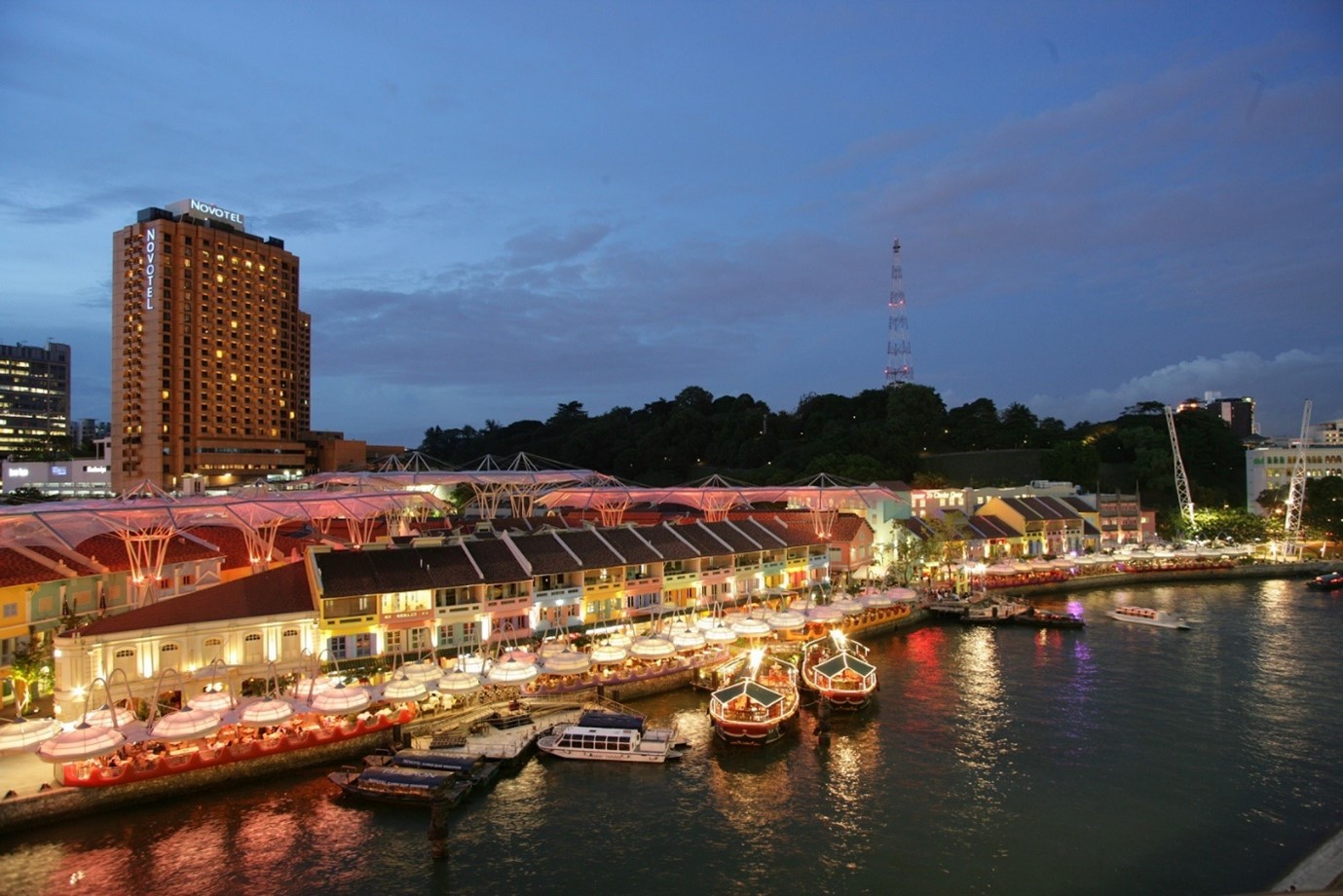
Singapore River’s night lighting.
The transformation of Singapore River story is an enduring testament to the collective efforts of numerous private and public sector stakeholders over decades. And the work of sustaining the success of Singapore River continues – URA will continue to work with stakeholders and implement place management strategies to further enhance the precinct, ensuring that Singapore River remains a well-loved and dynamic destinations for generations to come.