
Conservation Area
Clarke Quay Conservation Area
Applicable Guidelines
Historic District Guidelines
Conservation Area
Clarke Quay Conservation Area
Find out more about Clarke Quay Conservation Area.
Important Information
All proposed works will need to comply with the Conservation Guidelines and the Specific Restoration Guidelines (SRG). Conservation Permission is required before all additions & alteration works and operations of new use can begin.
Owners, architects and engineers intending to carry out restoration works or development within conservation areas are required to comply with the conservation principles, planning parameters and restoration guidelines for conserved shophouse and bungalow building typologies, as well as planning parameters and envelope control guidelines for new buildings within conservation areas accordingly.
For other building types, which do not conform to the standard shophouse or bungalow typology, these will be evaluated on a case-by-case basis in accordance with conservation principles. [1]
About
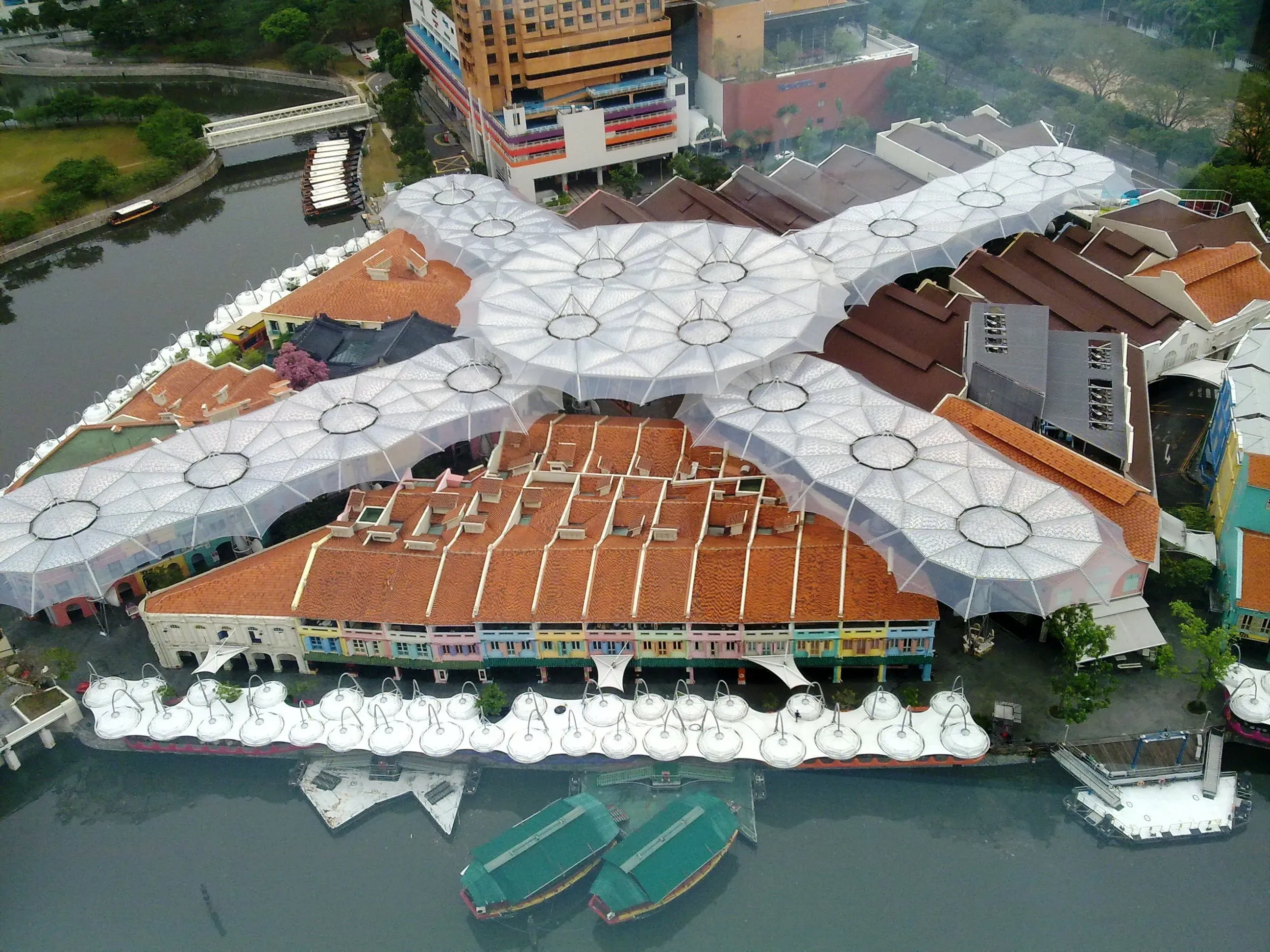
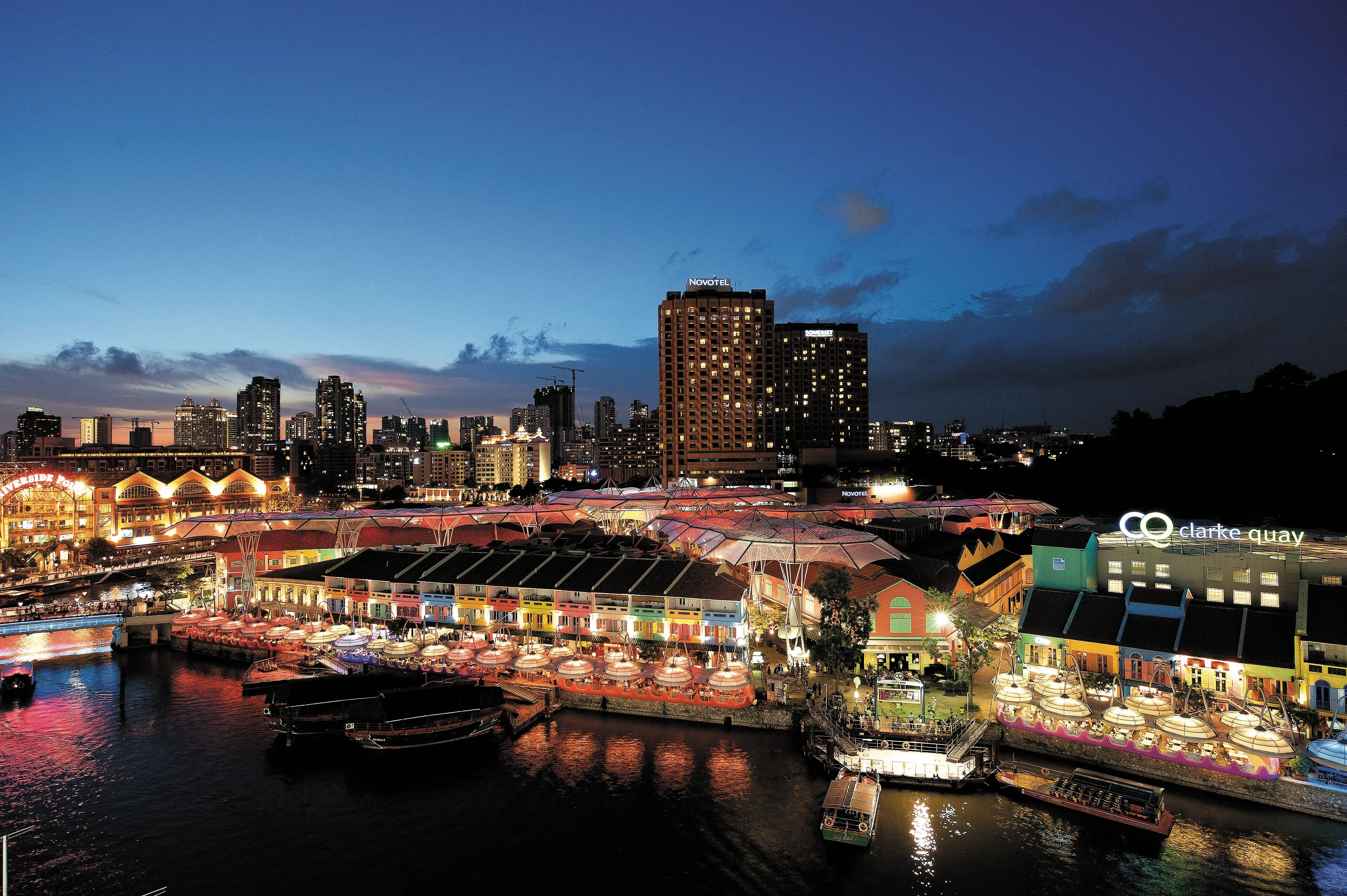
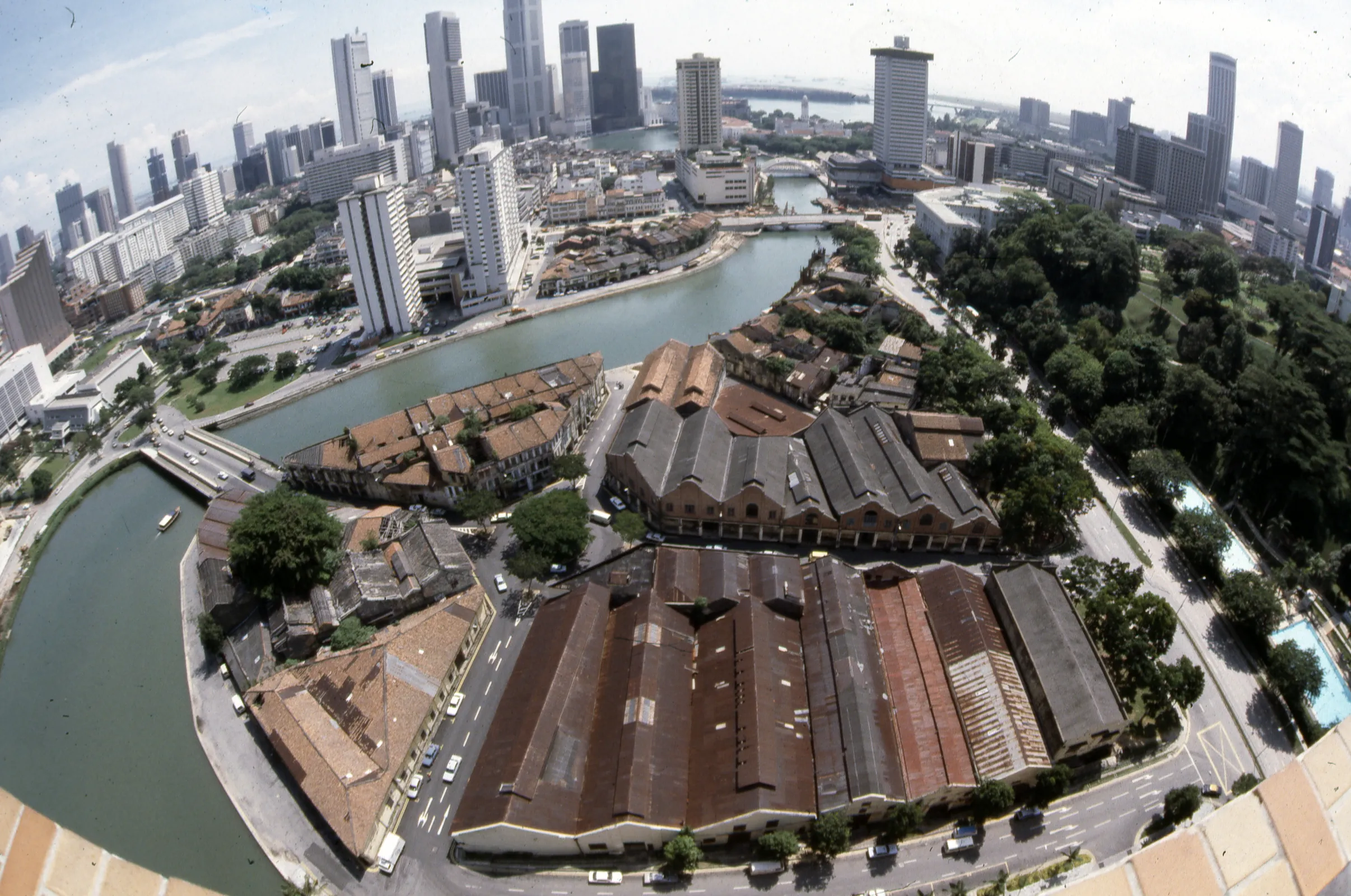
The area bounded by River Valley Road, North Boat Quay, Clarke Quay and Tan Tye Place is characterised by riverside warehouses and two/three-storey shophouses of the Transitional Shophouse style. The area is named after Lieutenant-General Sir Andrew Clarke, second Governor of the Straits Settlements.
The History
The Singapore River Master Plan identified the area as one that required a sensitive combination of conservation and adaptive re-use of its warehouses and shophouses. The Clarke Quay conservation area was sold under the URA Sale of Sites Programme in 1989.
The Architecture
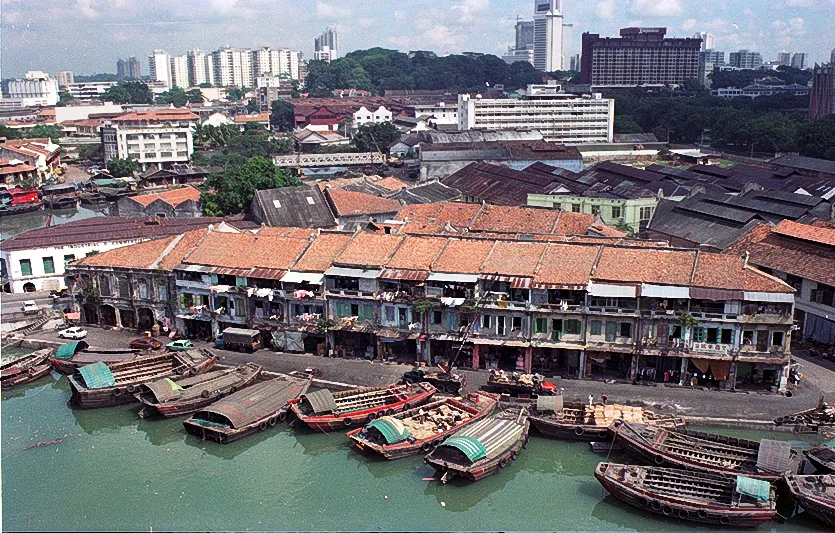
Many of the shophouses fronting the Singapore River, along the northern banks, feature sheltered verandahs at the top floor. These buildings are also largely of the 'Teochew' style of shophouses. The warehouses here, some of fine brick construction, are the largest conserved cluster of this type of architecture in Singapore.
A significant landmark is the two storey 'River House'. This southern Chinese Teochew-style mansion, built in the 1880s, is the oldest building in Clarke Quay and features exquisite roof ridges. Once a residence for a Teochew merchant, it was subsequently used as a godown for gambier, biscuits and other commodities.
The historic Read Bridge (1886-87) and Ord Bridge (1886), both conserved, links Clarke Quay to the south bank of the river.
The Legacy
It received conservation status on 7 July 1989. By the time of the gazette of the area, many shophouses had been hidden from public view for decades by make-shift sheds that were built in front of them. Fortunately, the shophouses have since been faithfully restored by skilled craftsmen in 1993 and given a URA Architectural Heritage Award in 1995.
Guidelines and Procedures
Apply for Specific Restoration Guidelines (SRG) (opens in new tab)
Use Guidelines and Submission Process for Buildings in Historic Conservation Areas
Gallery
[1] The conservation guidelines for shophouses and bungalows will generally be applied by URA in the consideration of a development application. However, if the circumstances or planning considerations relevant to a case warrant it, URA may in its discretion decide to depart from these general guidelines. The guidelines, principles and illustrations found in the guidelines are not exhaustive in covering all possible site conditions and variations in building type. Persons intending to carry out a development are advised to take this into consideration and check with URA through enquiries or development applications to confirm if their proposals can be allowed.