
Punggol Digital District
Learn how Punggol Digital District is shaping Singapore’s future as a smart and integrated hub for living, working and learning.
Last updated on 3 August 2026
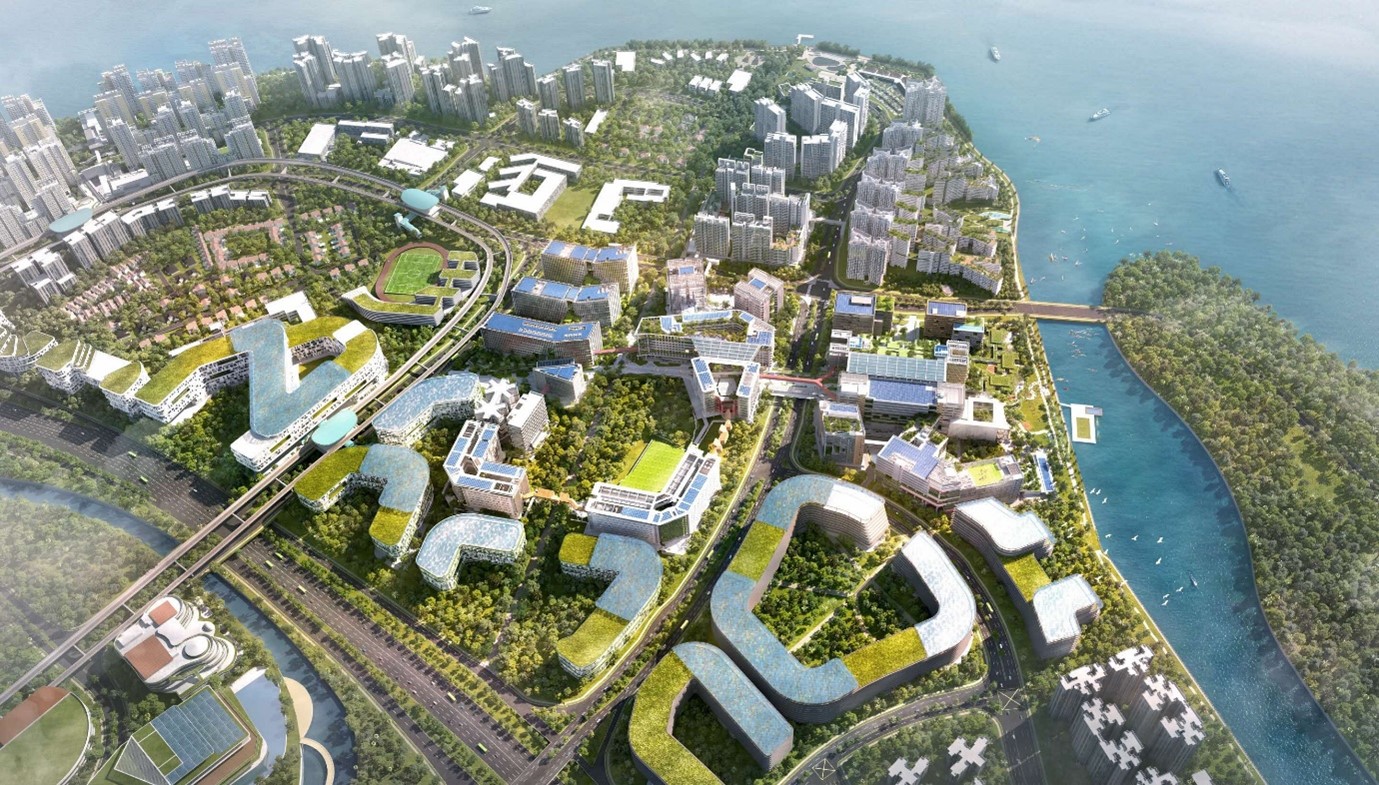
Aeriel view of Punggol Digital District. Photo credit: JTC.
Punggol’s origin: from farming villages to unique attractions
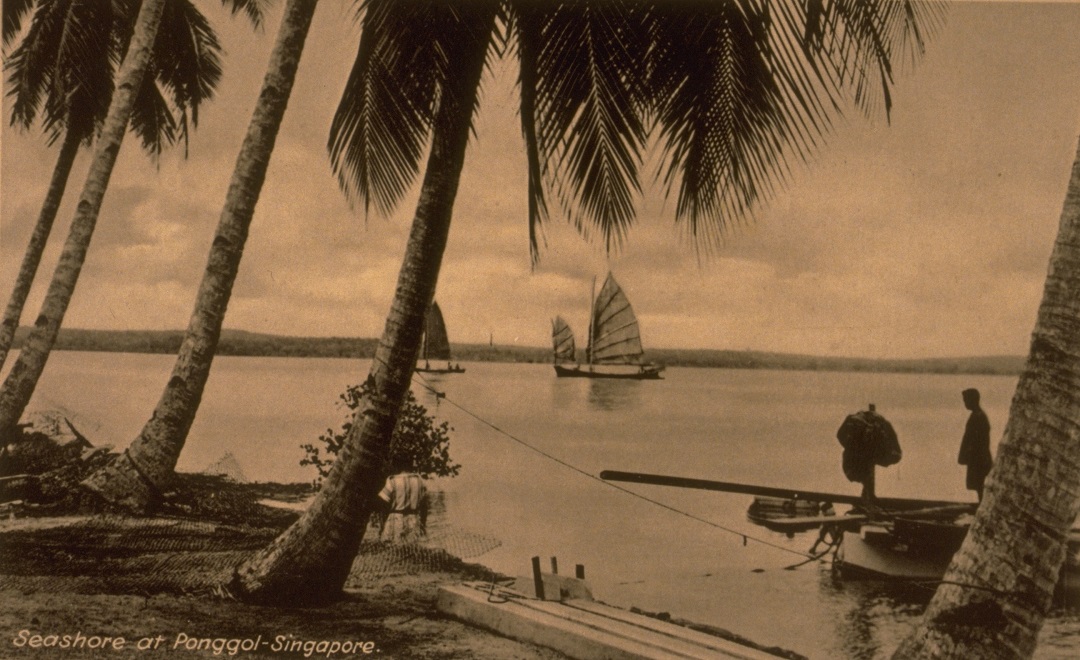
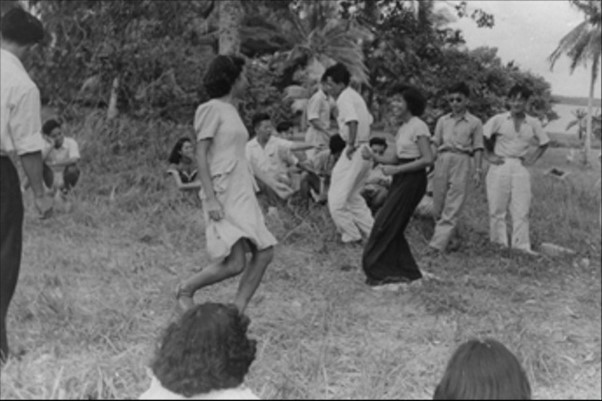
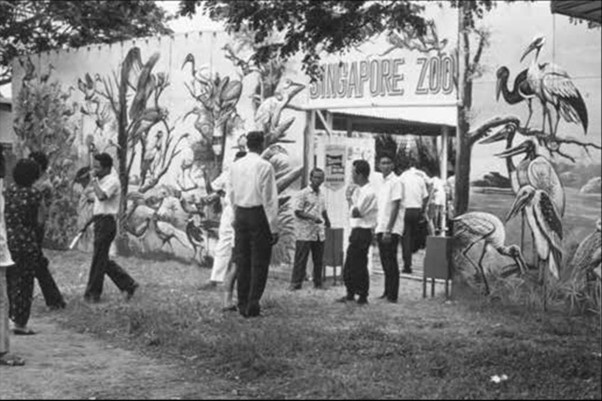
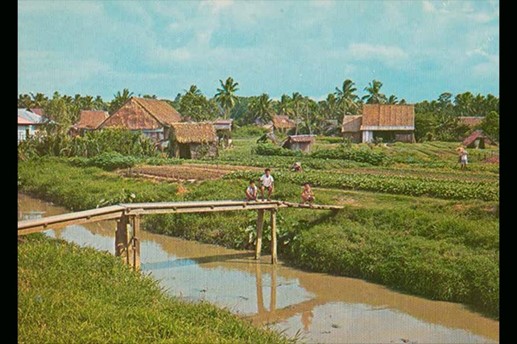
Once a landscape for farming villages and waterfront settlements, Punggol has undergone significant transformation over the years. Yet, it was never short of character – from the wealthy bungalow-style country houses of the pre-war era to unique attractions such as the Japanese Fishing Pond and the Basapa Punggol Zoo.
The Japanese Fishing Pond, which relocated from Changi to Punggol in 1927, offered locals a place to fish and enjoy freshly cooked meals by the water. Meanwhile, the Basapa Punggol Zoo, owned by William Lawrence Soma Basapa, became Singapore’s first full-sized public zoo and bird park, and was dubbed “the Singapore Zoo”. Unlike the seamless connectivity Punggol enjoys today, the area only received its first bus route in 1935, introduced by the Ponggol Bus Service Company.
During World War II, the Japanese invaded Singapore by using Punggol Beach as an entry point. The area that was once home to various recreational attractions became the site of the Sook Ching massacres. The Japanese Fishing Pond and bungalows were also destroyed during the war.
Following the war, attempts were made to revitalise Punggol. In 1963, animal lover Chan Kim Suan opened another zoo in Punggol named “Singapore Zoo”. However, it was smaller than Basapa Zoo and closed in the early 1970s due to financial difficulties. A rest house was later built on the site of the former Japanese Fishing Pond, offering recreational activities like picnicking, boating and fishing, keeping Punggol’s recreational spirit alive. Seafood restaurants also began to cluster along the waterfront, drawing visitors with a simple promise: the sea was right there, and the catch could not be fresher.
Punggol Digital District: A vision for a smart and sustainable future
Recognising Punggol’s scenic and strategic waterfront location, URA and the Housing & Development Board (HDB) envisioned it as a waterfront residential town. In 1982, plans were announced to redevelop the area from the mid-1990s. Redevelopment began in earnest, with land reclamation, new infrastructure and enhanced amenities laying the foundation for a new Punggol.
As Punggol evolved into a vibrant residential town, plans were introduced to further develop the area into a key economic node for the digital and technology sectors.
Announced in 2018, the Punggol Digital District (PDD) is part of Singapore’s strategy to sustain long-term economic growth by creating new mixed-use business nodes island-wide, which will also bring good jobs and social amenities closer to residents.
Situated in Punggol North, the 50-hectare district is envisioned to be a vibrant and inclusive hub for working and learning, underpinned by cutting-edge technology as well as urban and social innovation which make everyday living more convenient and sustainable.
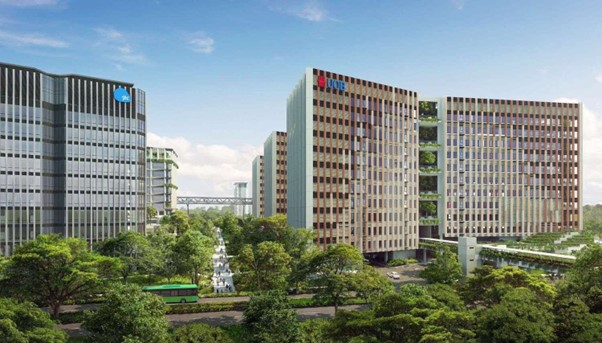
Punggol Digital District features a robust business ecosystem, with companies like JTC and UOB setting up offices here. Photo credit: JTC.
Shaping Punggol Digital District for work, learning and community
Central to PDD’s identity is its seamless integration with the Singapore Institute of Technology (SIT) (opens in new tab).
Envisioned as a “living lab”, the district enables students, lecturers and industry professionals to move freely between the campus and business park, fostering a continuous exchange of ideas between education and industry.
Research collaborations between faculty and companies are readily accessible, generating a continuous loop of innovation that supports the growth of Singapore’s digital economy.
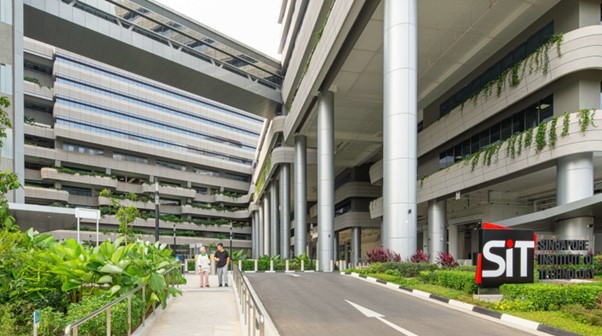
SIT’s campus is located in the heart of Punggol Digital District. Photo credit: SIT and Keng Photography/Tan Eng Keng.
Underpinning PDD is a range of smart systems designed to support innovation and growth. The Open Digital Platform (OPP) (opens in new tab), an integrated digital backbone for the district, provides businesses and students with access to real-time district data, accelerating data-driven innovation. PDD is also Singapore’s largest mixed-use Green Mark Platinum District (opens in new tab), demonstrating the nation’s commitment to sustainable urban development. In all, these features ensure that PDD can foster growth boldly and responsibly.
Beyond work and learning, PDD is also designed to be a place people gather, connect and spend time. Retail, dining and public spaces like Punggol Coast Mall (opens in new tab) and The Market Village are woven into the district. PDD is also supported by car-lite connectivity, with convenient access to public transport options such as the Punggol Coast MRT station.
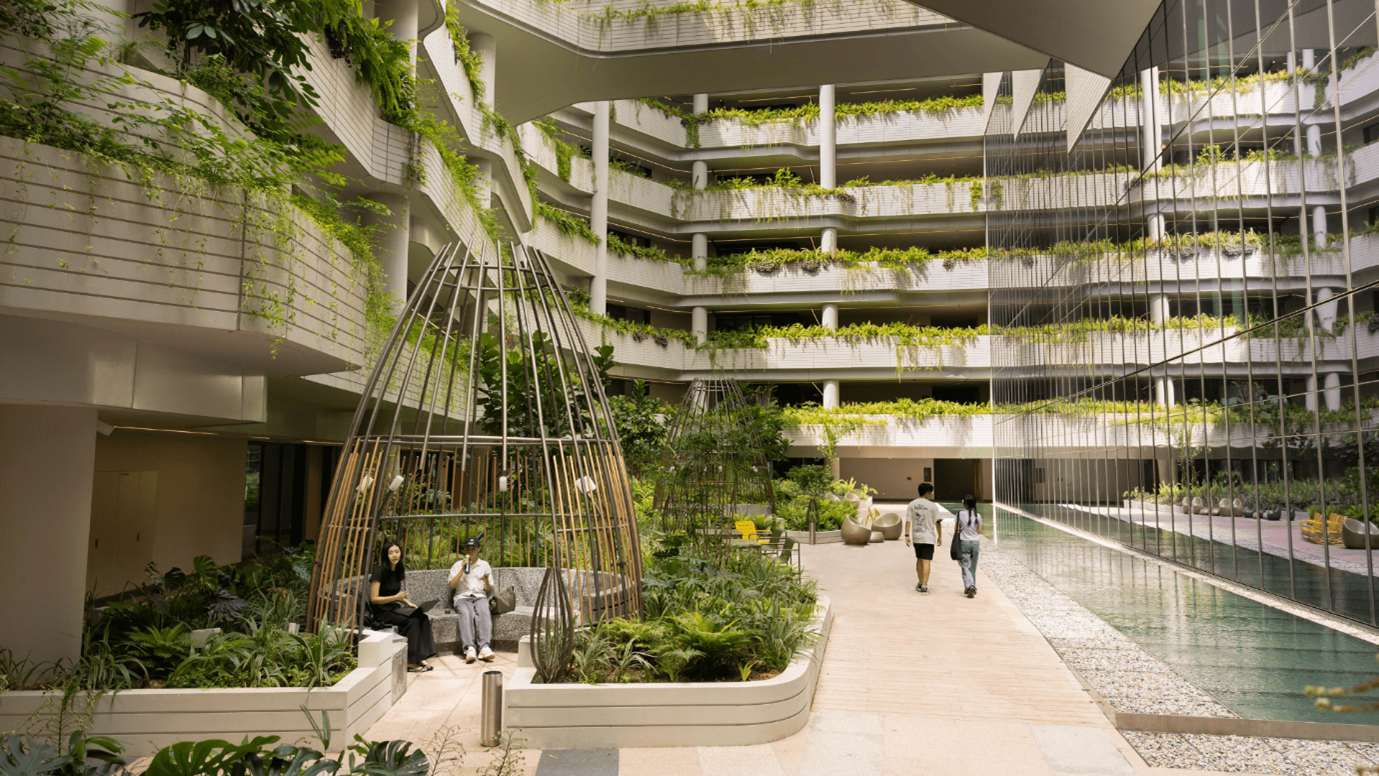
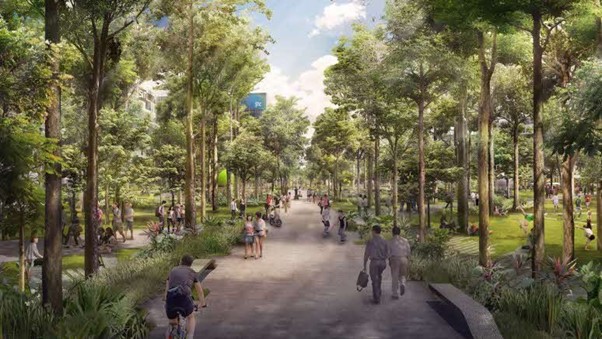
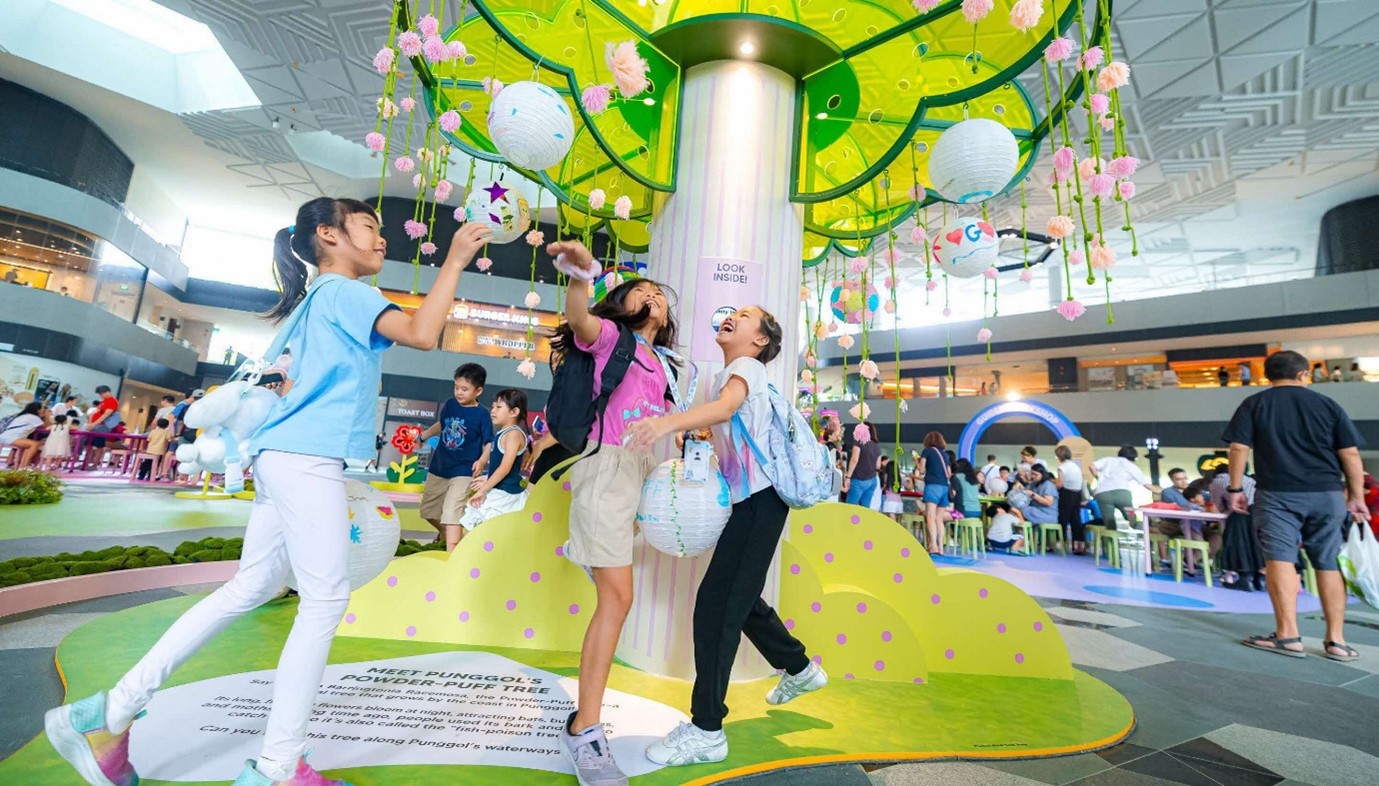
Anchored by a thriving cluster of digital industries and complemented by strong integration with academia, community amenities and green infrastructure, PDD offers a vibrant environment where innovation, learning and everyday life come together.