
Jurong Lake District
From mangrove swamp to Singapore’s industrial backbone and a future model sustainable district, discover Jurong’s transformation as the largest mixed-use business district outside the city centre.
Last updated on 3 August 2026
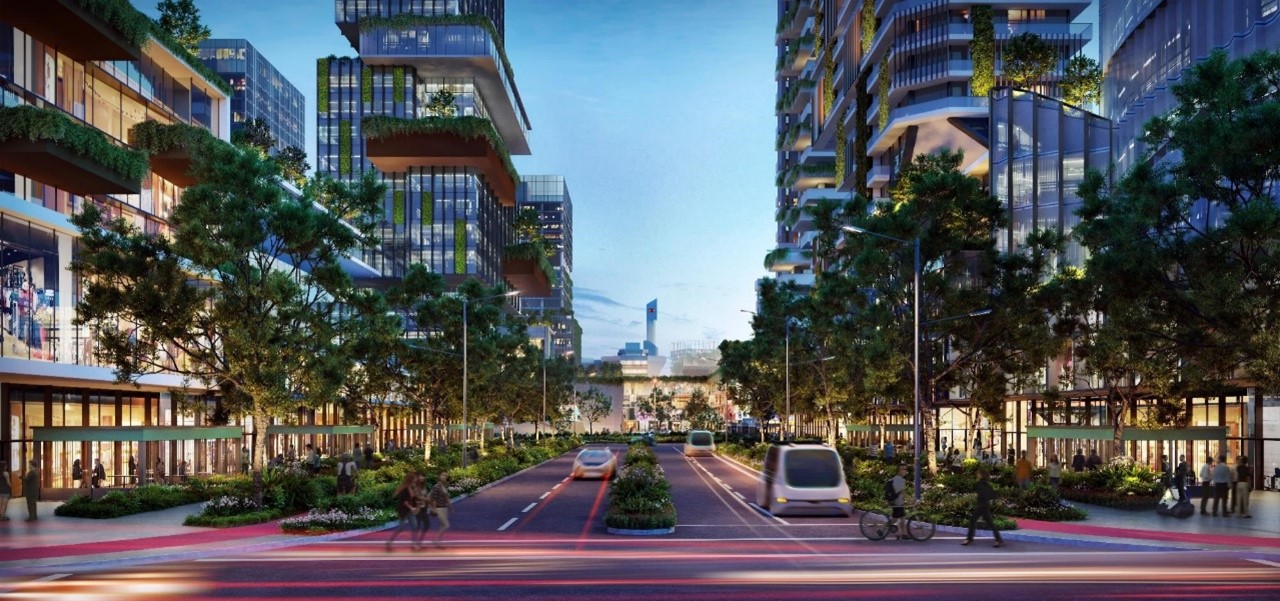
Artist’s impression of the upcoming Jurong Lake District. Photo credit: Jurong Lake District.
Jurong’s origin: from industrial beginnings to regional centre
Once a landscape of mangrove swamps, plantation farms and fish ponds, Jurong’s transformation (opens in new tab) began in the 1960s when it was developed into Singapore’s first major industrial estate under the visionary leadership of Dr Goh Keng Swee. Over the next two decades, the area further continued to grow with the development of residential neighbourhoods, transport infrastructure and recreational amenities, supporting its evolution into a bustling and attractive hub for people to live, work, and play.
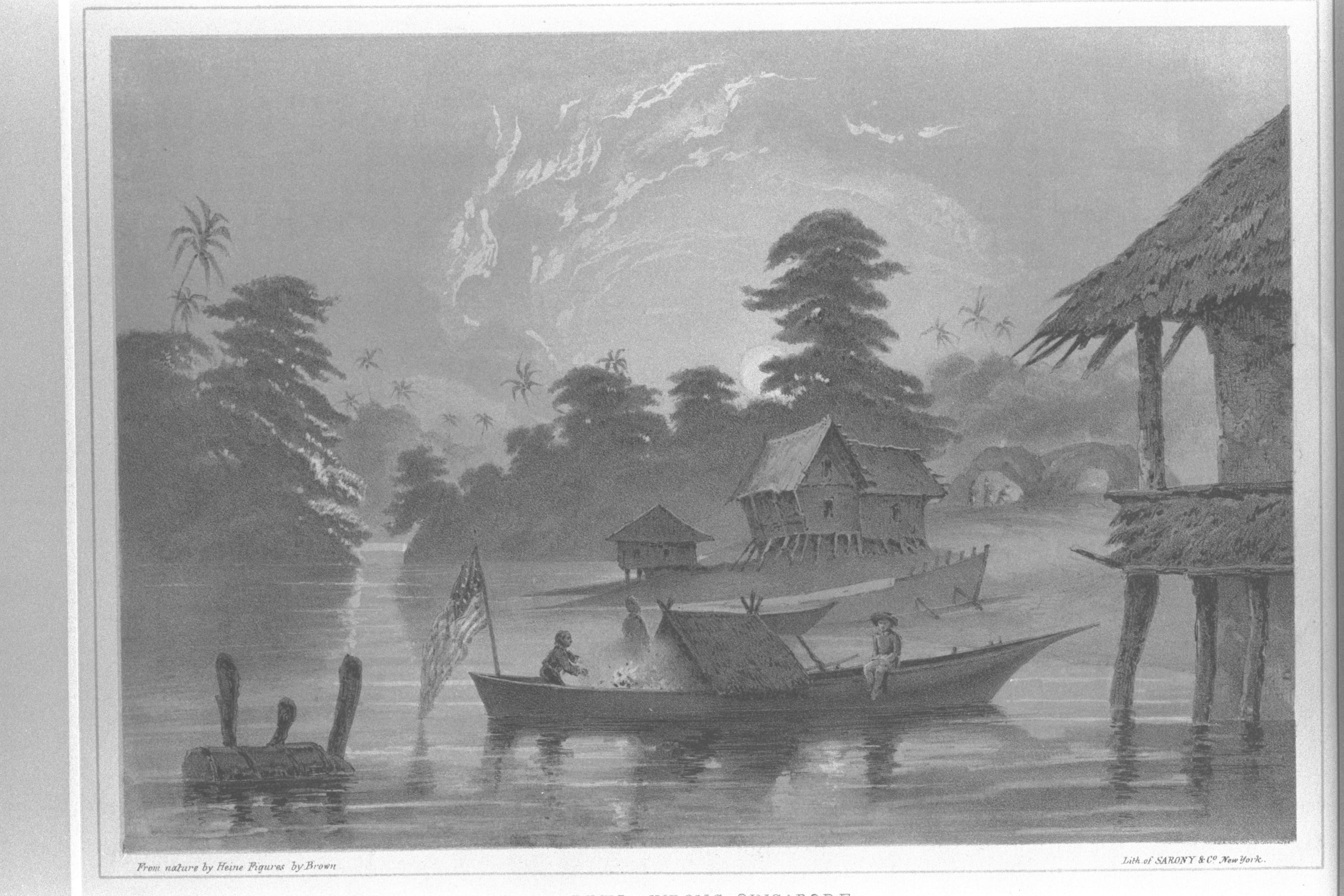
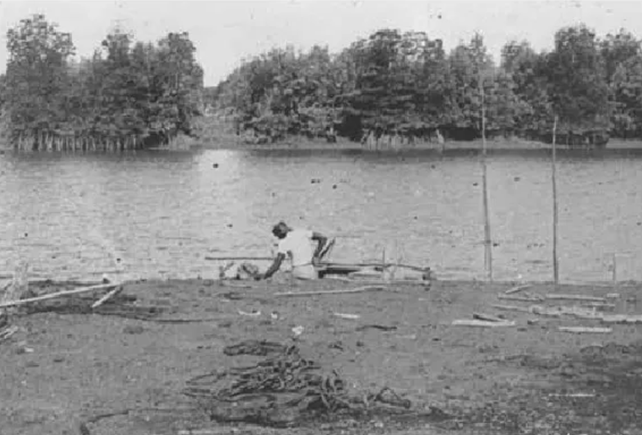
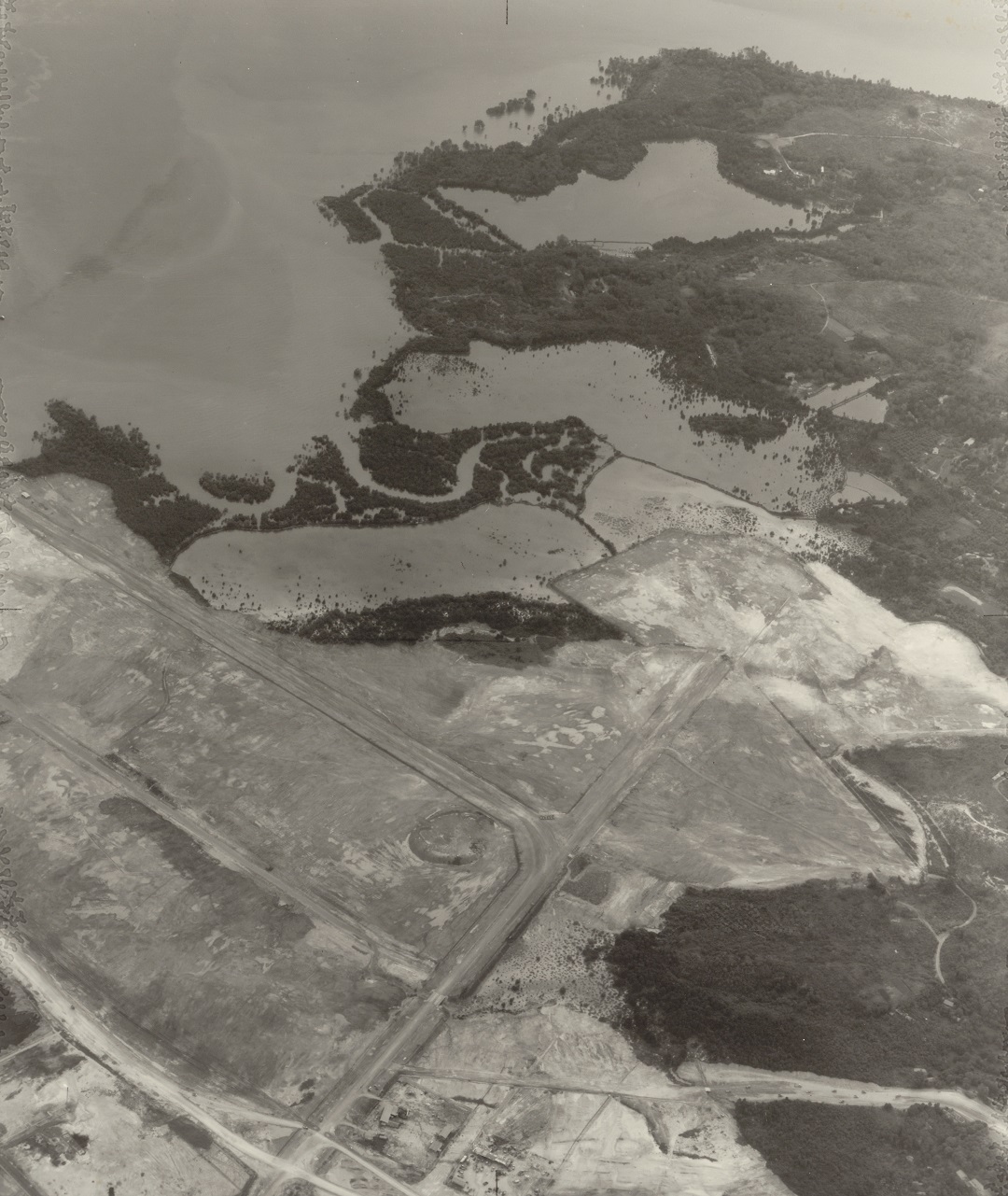
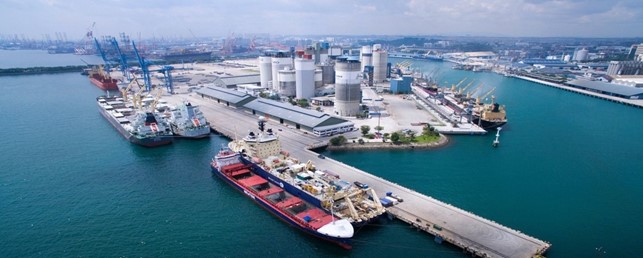
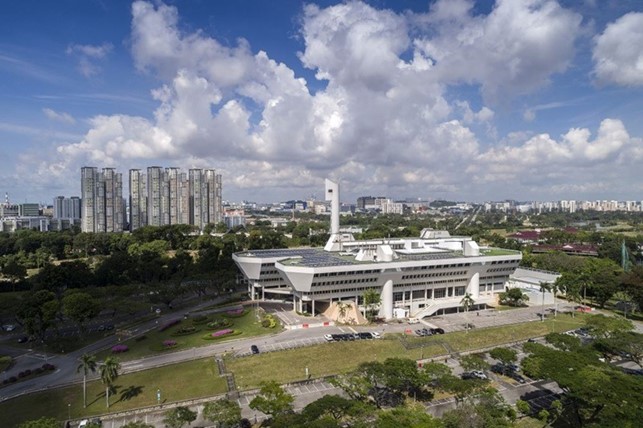
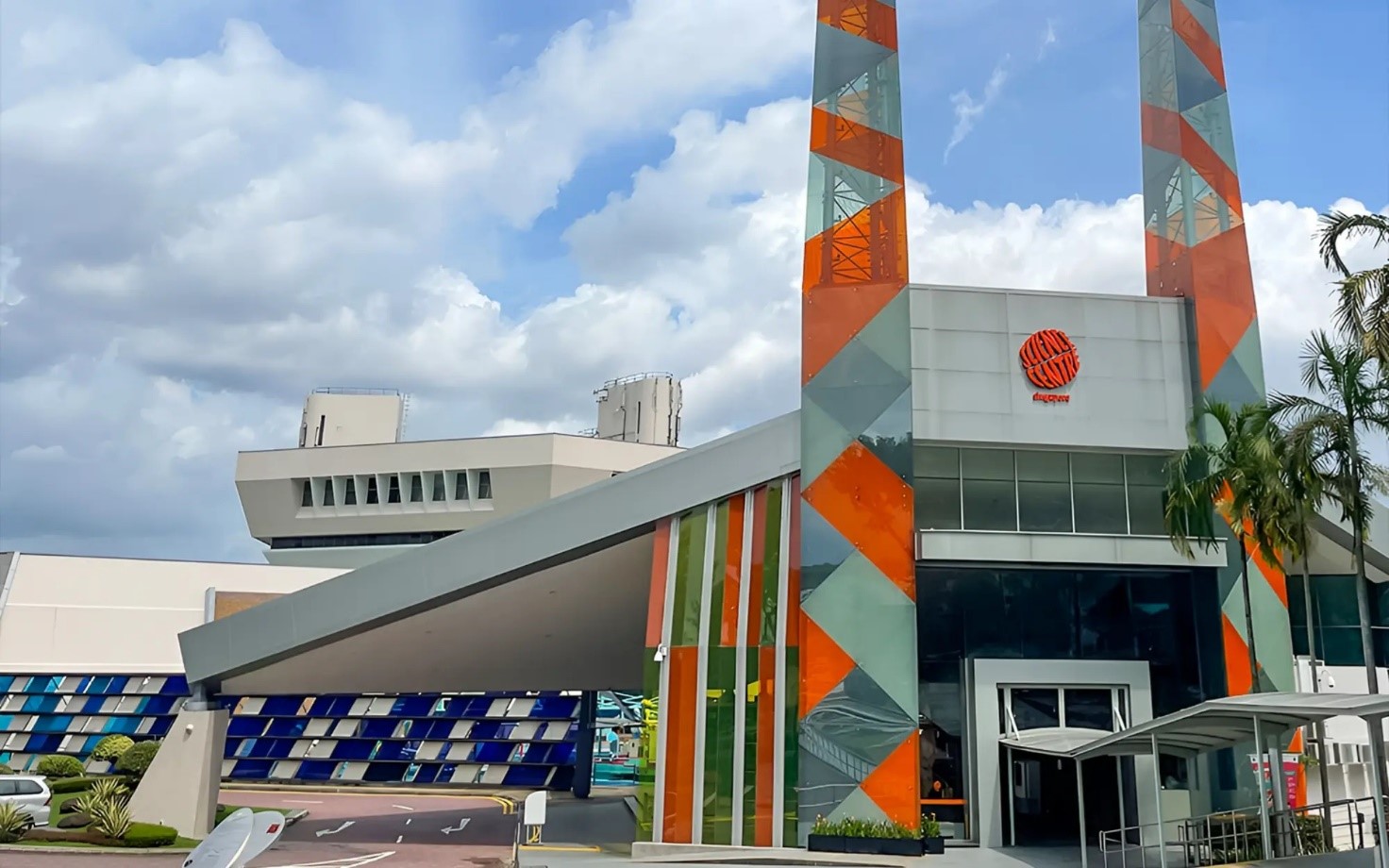
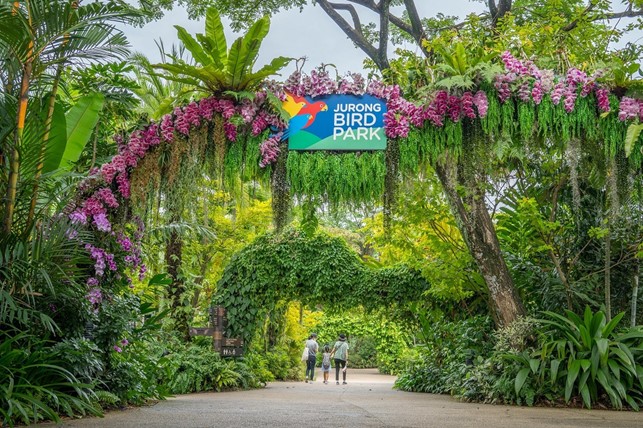
The area also became home to several well-known landmarks and attractions that shaped Jurong’s identity and Singapore’s development. They include Jurong Port (opens in new tab), which strengthened Singapore’s industrial and maritime capabilities; Jurong Town Hall (opens in new tab), a symbol of Singapore’s industrialisation journey; Science Centre Singapore (opens in new tab) and Jurong Bird Park (opens in new tab), which became major educational and leisure destinations; as well as the Chinese (opens in new tab) and Japanese gardens (opens in new tab), which provided distinctive green spaces for the community at the heart of a bustling industrial estate.
As Singapore’s needs evolved over the years, a new vision for Jurong took shape.
In the 1991 Concept Plan, Singapore’s decentralisation strategy was introduced, which involves developing regional centres across the island, including Jurong, to support long-term economic growth as well as bring jobs, amenities, and recreational opportunities closer to homes. This vision, outlined in the 1991 Concept Plan, laid the groundwork for Jurong’s evolution into a major commercial and residential node serving in Singapore’s western region.
The blueprint for this regional centre, Jurong Lake District (JLD) (opens in new tab), was unveiled in the URA Master Plan 2008 (opens in new tab), bringing together the commercial Jurong Gateway and the leisure-focused Lakeside area into a 410-hectare district. This marks a significant milestone in paving the way for JLD to become the largest business district outside the city centre.
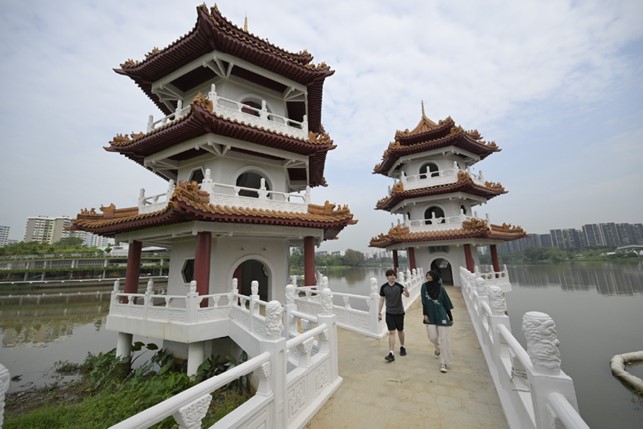
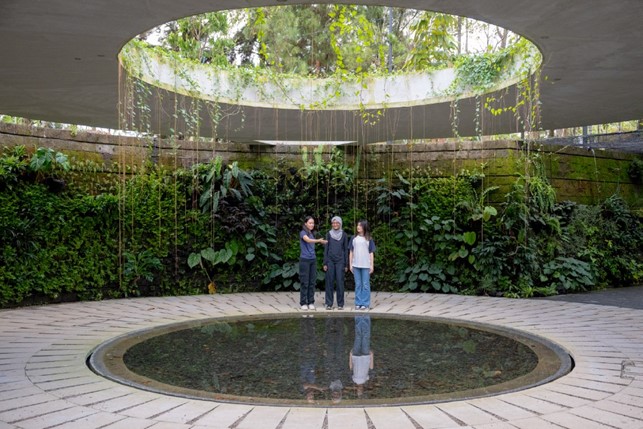
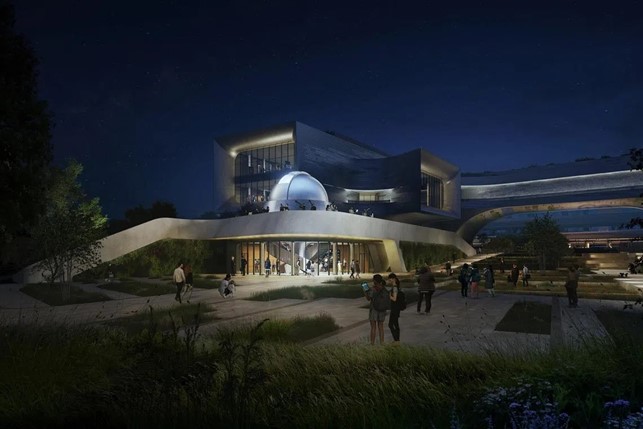
Read more about the placemaking and community building efforts for Jurong (opens in new tab).
Shaping Jurong Lake District for living, working, playing, and learning
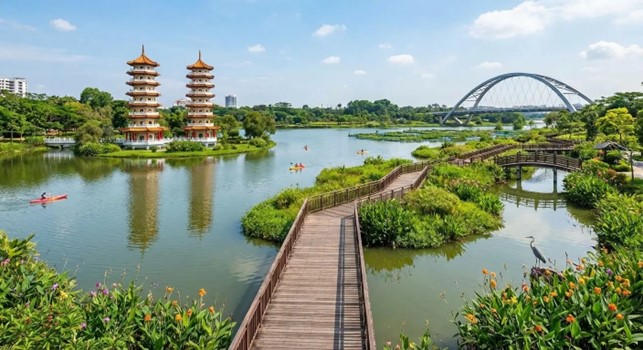
Aerial shot of Jurong Lake Gardens. Photo credit: Jurong Lake gardens.
Today, JLD is growing into a key regional hub that brings together a dynamic mix of commercial, residential, leisure, and business uses.
Anchored by Jurong Lake Gardens — Singapore's third national garden — the district is defined by its lush greenery and scenic waterbodies. Visitors and residents can already enjoy a growing array of attractions along the lake, including the revitalised Chinese and Japanese gardens. They can also look forward to a new Science Centre, to be completed in 2027.
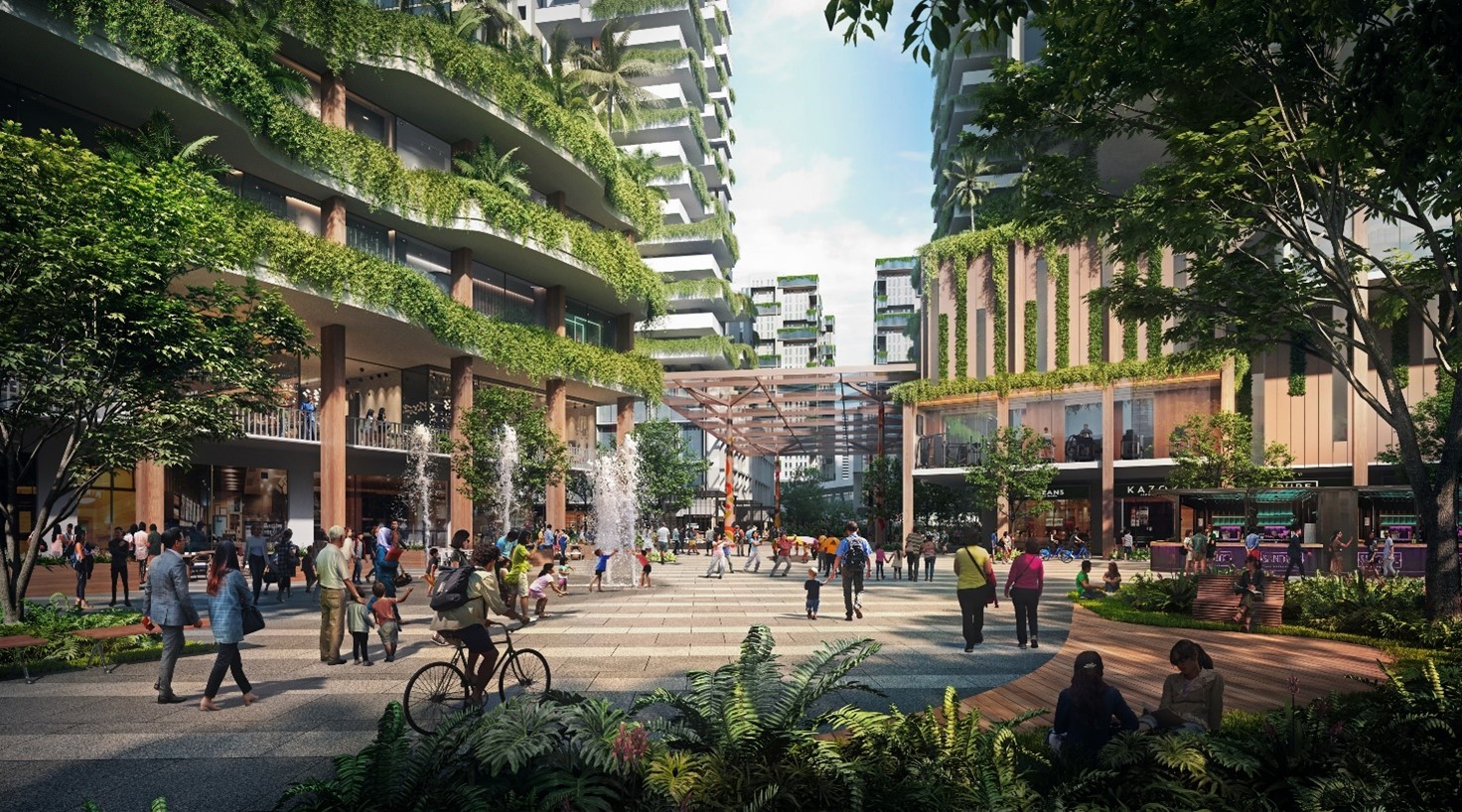
Artist’s impression of Jurong Lake District, that will bring together everyday needs close to home. Photo credit: Jurong Lake District.
Guided by the Master Plan 2025, JLD is envisioned as a people-centric district where everyday needs are brought closer to residents, workers and visitors.
Anchored by expanded network of parks, waterways and recreational spaces, and complemented by new homes, jobs and transport infrastructure, JLD will offer a vibrant, car-lite environment where nature, convenience and connectivity are woven into everyday life.