
Well-Being in the City: Innovating Healthy Living
Planning and designing a city that supports healthier lifestyles and active living.
Last updated on 15 June 2026
Shaping a Happy Healthy City
Planning and designing a city that promotes good health and active living have always been a priority for Singapore. With an ageing population, climate change, and increasingly diverse aspirations amongst the citizenry, it is even more important to ensure that every day spaces encourage active lifestyles, foster social connections and provide restorative experiences. Through this exhibition, you will explore the research insights that could drive innovative urban planning and design to help everyone live better, healthier and longer lives.
Designing for Comfort and Well-being
How might research insights guide us in planning and designing environments that encourage us to be more active physically and socially?
A National University of Singapore (NUS) study used advanced Artificial Intelligence techniques to analyse how visual elements in urban spaces influence how cool or warm we feel.
Key findings include:
Blue-related colours and higher sky visibility were perceived as less thermally comfortable
Higher proportion of magenta was associated with a more comfortable environment
Such insights can guide the creation and design of spaces that not only regulate temperature effectively but are also perceived to be more comfortable by people, thereby encouraging more to head out and be active.
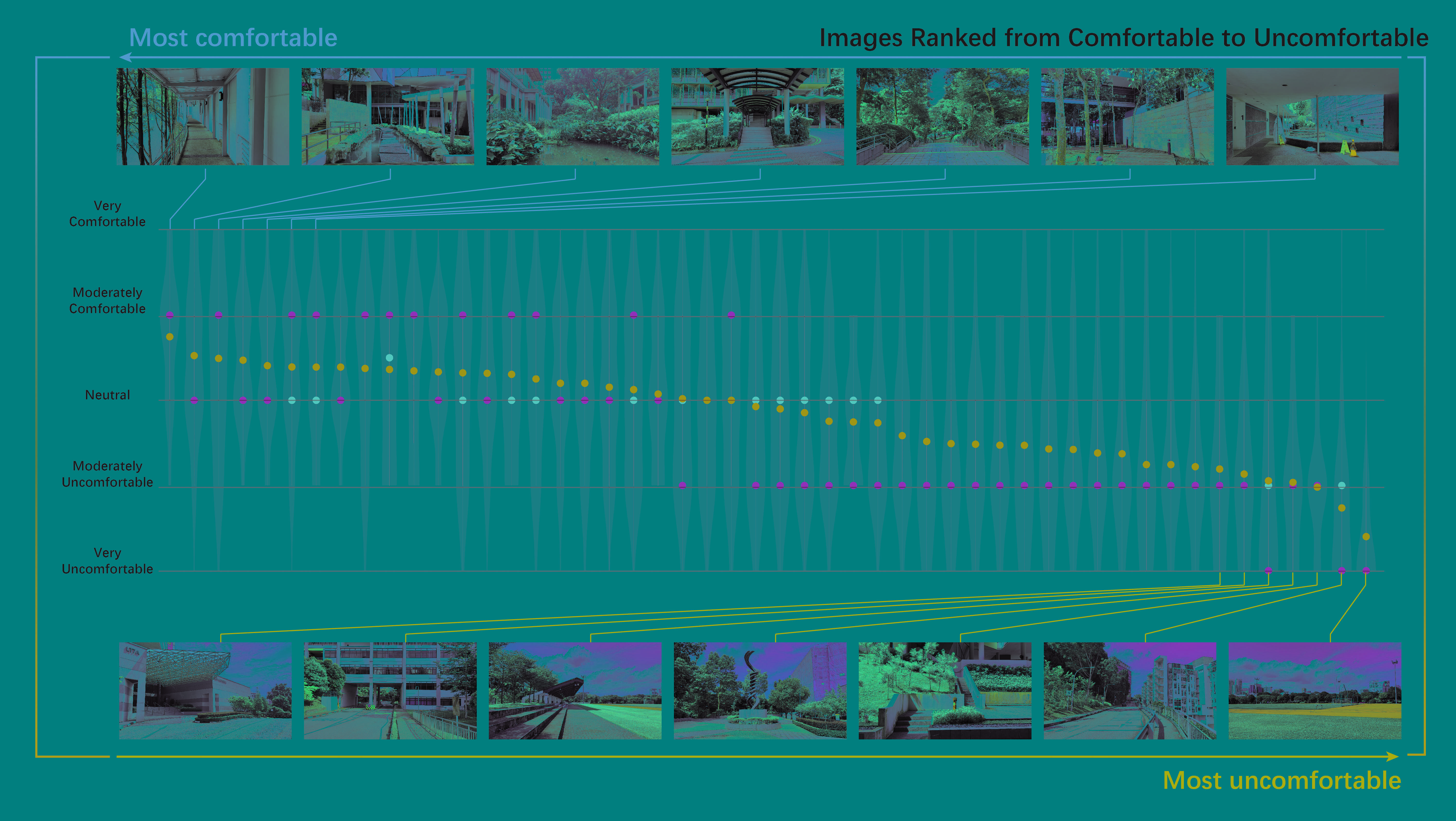
Comfort Level Ranking on Images (Image source: Ang Yu Qian and Zhu Lujia)
Fostering Connections through Urban Farming
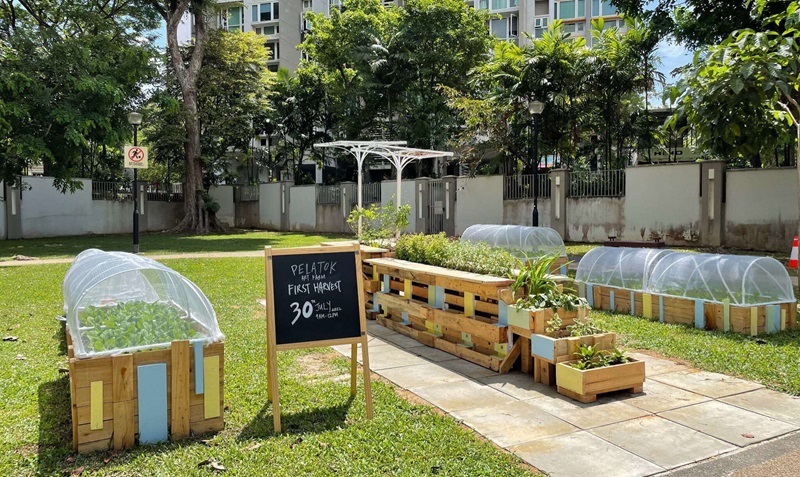
Pelatok Art Farm (Image source: Pelatok Art Farm)
Creating spaces that foster social connections is vital to social and mental well-being in our communities. The Pelatok Art Farm in Changi-Simei is one such initiative where the community took the lead in transforming under-utilised spaces into vibrant hubs for nature-based art making, offering opportunities for people to connect with each other.
Through participatory action research involving the local community, a hospital, a university, and an architectural firm – the project has:
Increased participants' sense of community and connection to nature
Enhanced social bonding through monthly harvests and group activities
Successfully unlocked the potential of under-utilised urban spaces
This initiative showcases the power of community-driven placemaking in promoting well-being and inclusivity.
Harnessing Nature and Heritage for Well-being
Bidadari Park (opens in new tab) builds on the Pelatok Art Farm concept by integrating heritage conservation with nature. The 13-hectare green sanctuary demonstrates how thoughtful urban design can create spaces that not only support healthy lifestyles and well-being, but also contribute to both environmental and social sustainability goals.
Key features include:
Alkaff Lake: A 1.8-hectare water body serving as both a stormwater management system and a focal point for leisure
Upper and Lower Marshlands: Designed to nurture biodiversity and provide close-up nature experiences via the Marshland Boardwalk
Heritage Walk: The former Upper Aljunied Road was pedestrianised, preserving the area's heritage while enhancing functionality
These elements create an urban oasis that promotes well-being by connecting residents with nature and history, as well as integrating green spaces into urban environments to enhance our quality of life.
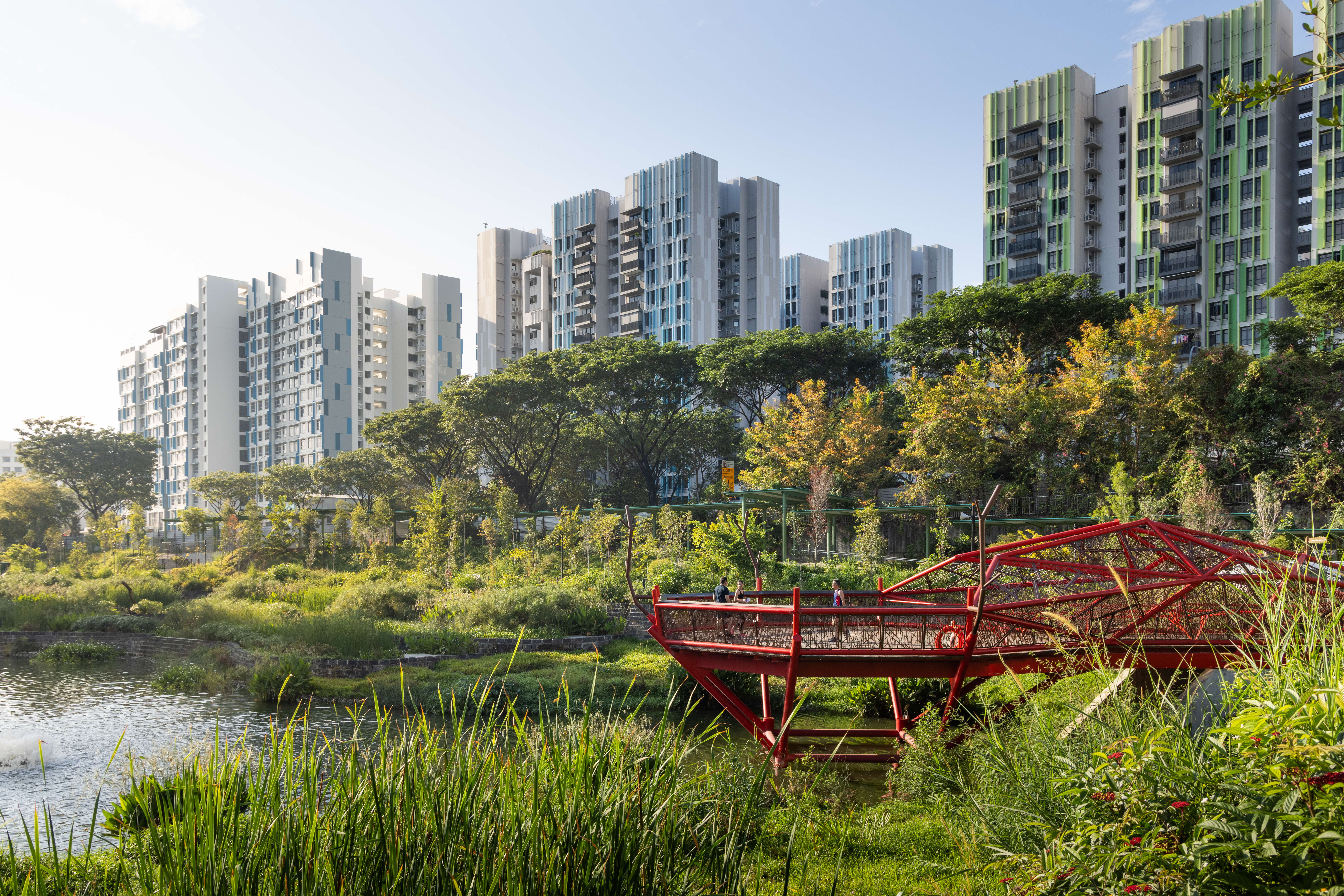
Bidadari Park (Image source: Finbarr Fallon)
Connecting people to community resources
In addition to physical spaces such as Bidadari Park, having seamless access to community resources and healthcare facilities are equally important. A potential solution is social prescribing – the practice of connecting patients with community resources to improve their health and well-being. The SingHealth Living Asset Map (LAM) serves as an example.
Key features of the project include:
Employing controlled crowdsourcing to create an up-to-date map of community assets
Providing support for practitioners in diverse settings, including community hospitals and Active Ageing Centres
Fostering collaborative use of the asset map, leading to sustained social prescribing efforts
This project demonstrates how geospatial mapping technology can enhance social prescribing practices, aligning with Singapore's goals of preventive care and community-based interventions.
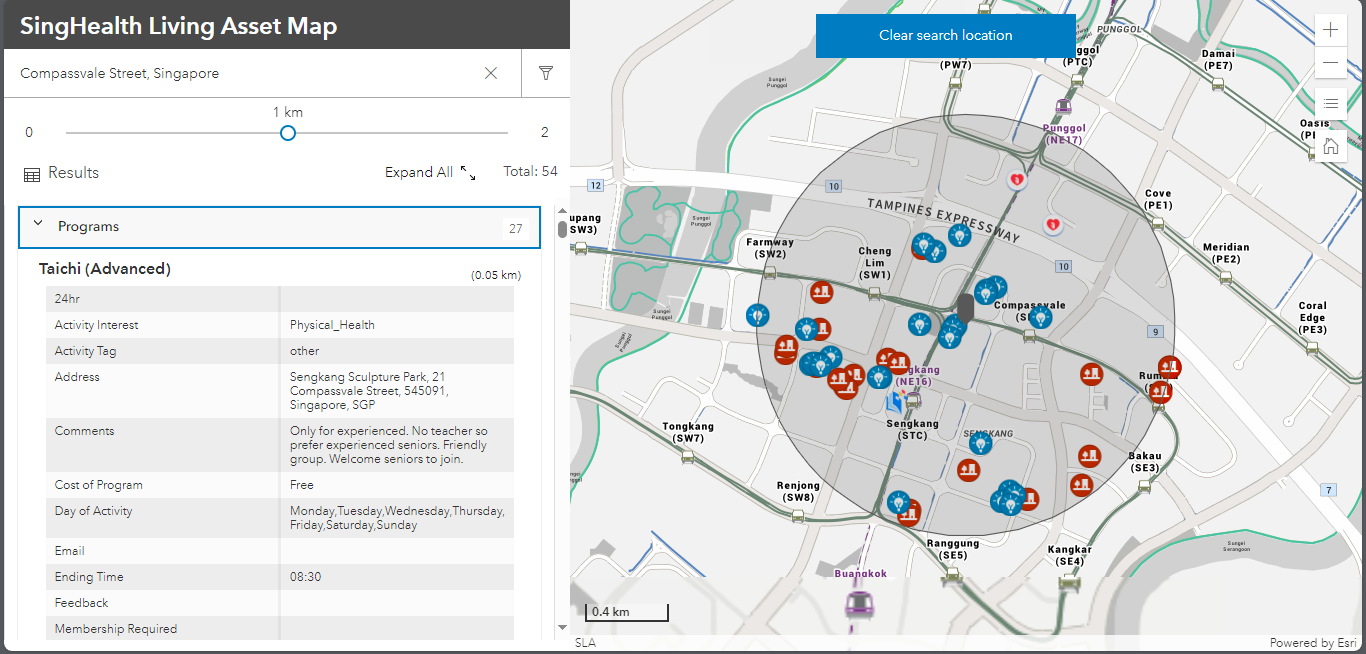
Interface of LAM (Image source: SingHealth)
Promoting Mental Wellness Through Thoughtful Design
Well-designed landscapes can actively contribute to our mental health by encouraging relaxation and mindfulness. A study by the National Parks Board (NParks) and NUS focused on identifying evidence-based characteristics for designers to create landscapes that optimise mental health benefits and promote mental well-being.
Key findings include:
Being in areas with peaceful and scenic views made participants feel more positive
People felt less disturbed in contemplative landscapes
Brain activity showed signs of relaxation and mindfulness, helping people think more clearly and calmly
Features of contemplative landscapes (opens in new tab) include:
Rich biodiversity and high degree of naturalness
Harmonious, warm colours with visibility of light and shade
Presence of elements such as water, mature trees, and paths
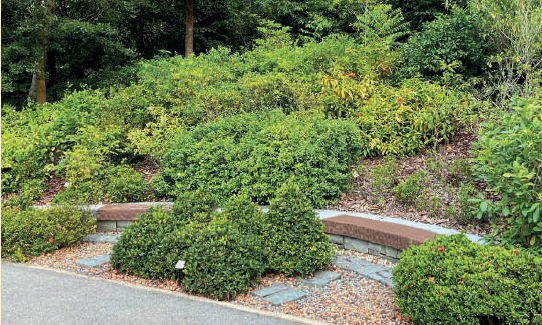
Singapore Botanic Gardens (Image Source: NParks)
We will continue exploring innovative ways to integrate health and well-being into our urban fabric, as we continuously rejuvenate Singapore to meet the fast-evolving needs of our nation and diverse aspirations of Singaporeans.