
A Loveable City for All
Through sensitive, selective retention and recall of buildings, spaces and uses, our heritage and identity will be kept alive for current and future generations to cherish even as the city develops.
Last updated on 25 May 2026
Retaining identity as we develop
Conserving and recalling our built heritage has been an integral part of our planning process. Since the 1970s, we have developed a comprehensive programme to identify and retain buildings and areas of significant historical, architectural and cultural value.
Beyond the conservation of buildings, we will explore other ways to bring out the character and identity of areas. We will also tap on the existing heritage of spaces to create distinctive places.
Planning for our heritage and identity
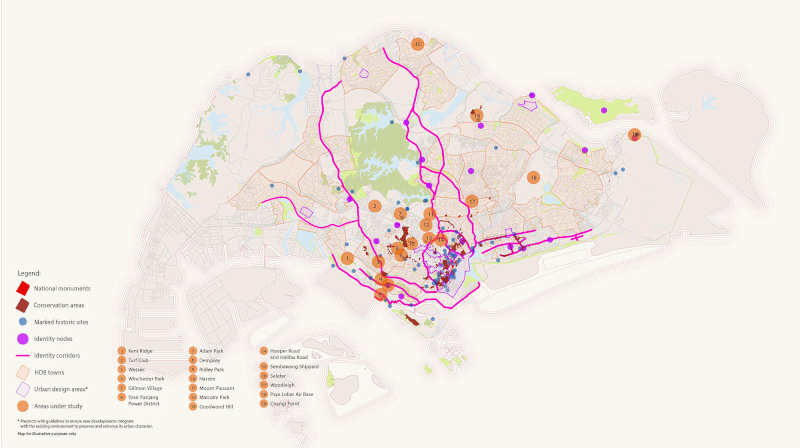
The Heritage and Identity Structure Plan reflects the efforts to identify, retain and enhance the many heritage and identity sites, corridors and buildings across the island, and maps out their potential to contribute to the many layered and rich stories of our island.
From national monuments and conserved buildings, to identity nodes, heartland and other heritage areas and identity corridors, the islandwide plan guides our efforts to study, sustain, enhance and protect our heritage assets to strengthen our sense of identity and history in partnership with the community.
National Monuments and conservation areas
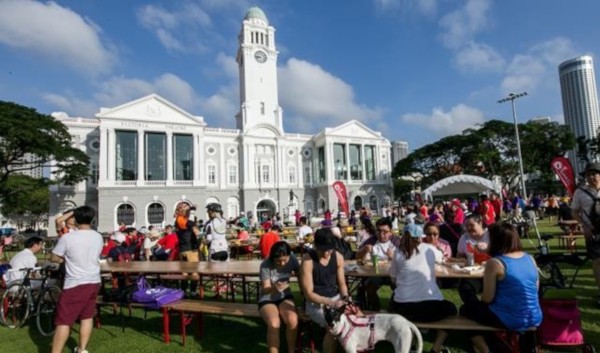
Victoria Theatre & Victoria Concert Hall
While not every old building can be kept, we seek to retain historic areas and buildings that are significant to Singapore’s development, tell stories of neighbourhoods or communities, provide a sense of identity and belonging, and facilitate inter-generational bonding. Every generation will define what is meaningful to them.
Today, Singapore is home to 74 National Monuments and over 7,200 conserved buildings and structures in over 100 conservation areas. In the next phase of our conservation journey, the dialogue will likely include buildings of our more recent past.
Marked historic sites
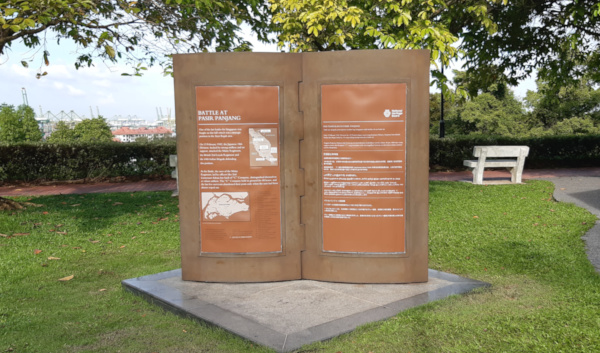
Historic Site Marker © NHB
These are places of historical significance (opens in new tab), where important events or personalities are commemorated to serve as reminders of our history. Though the original buildings may not always be retained at these sites, their stories are told through their Historic Site Markers, which contain interesting nuggets of information on the history of the site.
The NHB’s Heritage Trails (opens in new tab) also help to capture the history and social memories of places and neighbourhoods. Each self-guided trail allows people to embark on the journey of discovery at their own time and pace. There are currently 22 such trails.
Identity Nodes
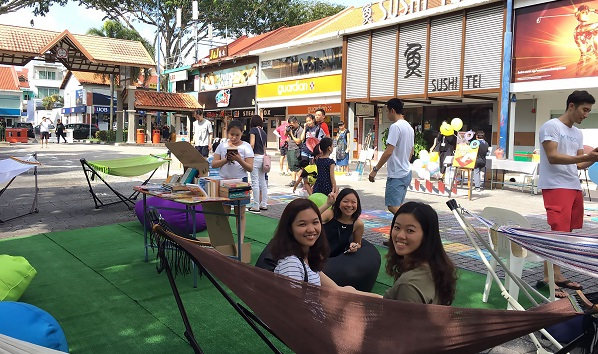
Serangoon Garden
Beyond individual buildings, we want to recognise and retain familiar streetscapes and neighbourhoods as places with distinctive character that hold a special place in the hearts of local communities. Urban design guidelines can be drawn up to ensure that new developments fit in with the existing character and charm. We will also enhance their environmental quality, pedestrian experience and public transport connectivity.
18 identity nodes have been recognised since 2002.
Identity Corridors
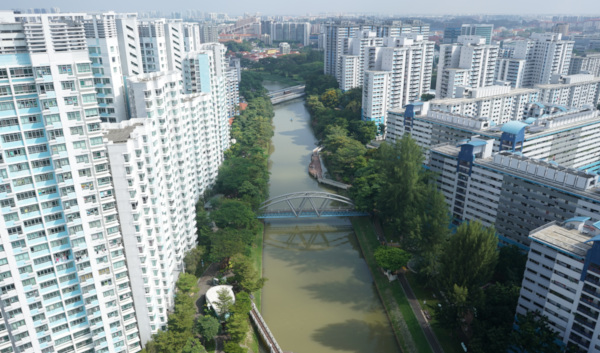
Kallang River
Certain distinctive stretches around our island have a strong sense of place and identity that resonates with Singaporeans across generations. We will preserve their character and strengthen the walking, cycling and transit networks along them, so that they will remain well used and loved by future generations.
Read more about Identity Corridors.
HDB towns
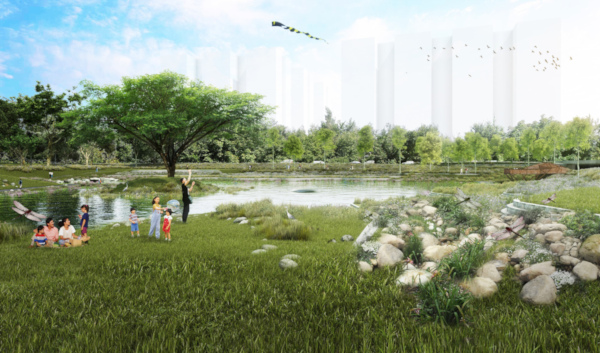
Alkaff Lake Gardens © HDB
As we continue to redevelop and rejuvenate existing public housing towns, we will build on the distinctive features of each town to enhance its unique identity and strengthen residents’ sense of belonging. One way is through HDB’s Remaking Our Heartlands initiative which provides a comprehensive blueprint to renew existing towns.
The planning and rejuvenation of our towns also follow HDB’s Town Design Guides, which take reference from the town’s history and planning vision to preserve and strengthen its aesthetic and spatial identity.
Blending the new and old
By carefully restoring our old buildings, creatively reusing them and sensitively integrating new developments with the existing, we can create memorable places that are loveable for all.
Adaptive reuse
As we rejuvenate our city, instead of demolishing existing buildings, we can creatively adapt them for new uses. Where possible, government agencies are doing so with state properties, often working closely with the public to dream up new possibilities for old vacated buildings.
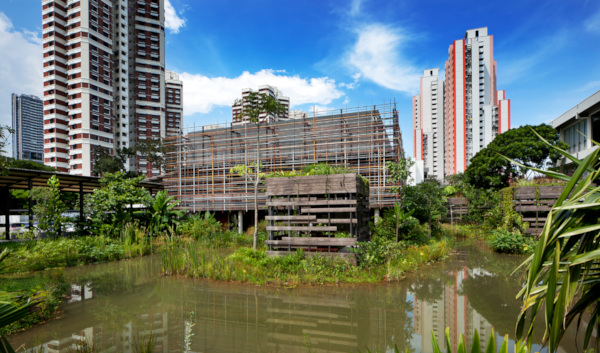
Enabling Village © Patrick Bingham-Hall
Formerly a vocational institute, the 1970s building in Redhill has been repurposed into the first inclusive community space in Singapore.
Managed by SG Enable, the Enabling Village enables greater inclusion in society with its catalytic social innovations.
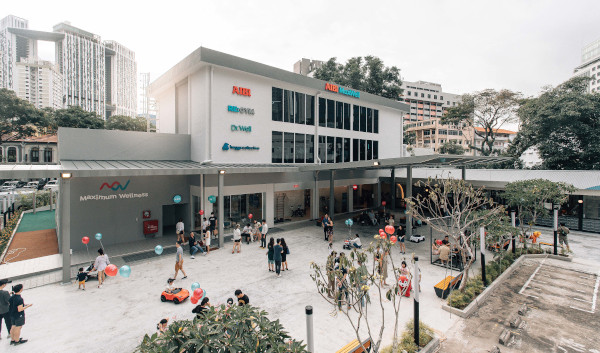
30 Maxwell Road © AIBI Maxwell
The state property at 30 Maxwell Road has been transformed into a new wellness destination within the Central Business District.
The transformation is part of the Reinventing Spaces into Vibrant Places programme, which turns state properties into testbeds for creative business concepts to add vibrancy to the area.
Developing with care
As we plan for the long-term, a consultative approach is key, especially when working in areas with heritage and identity. We will continue to engage communities, interest groups and other stakeholders to ensure that a variety of views and perspectives are considered.
Heritage & Identity Partnership
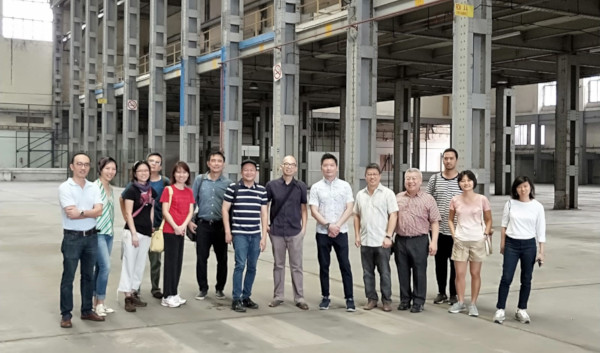
Comprising members with diverse backgrounds — including representatives from heritage groups, developers and academia — the panel contributes ideas to sustain and manage the built heritage and memories of places as we develop and rejuvenate our city.
The input of the panel has helped to enrich and shape the discussion for places like the former Pasir Panjang Power Station and Farrer Park.
Heritage Impact Assessment (HIA)
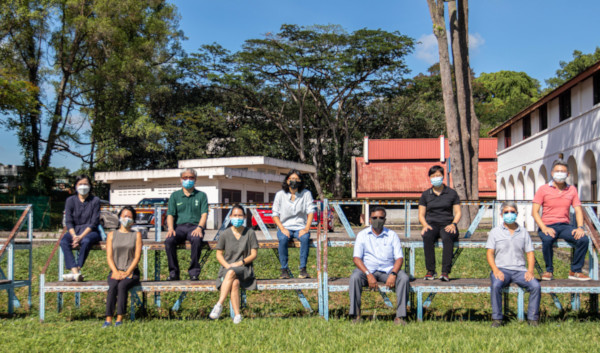
© SPF
On top of the existing pre-development studies of heritage areas, a more detailed examination may be carried out for large-scale public projects on sites with special significance. HIAs, which are independently conducted, will help us identify key heritage elements that should be kept and ways to redevelop the site sensitively.
In 2019, a pilot HIA was conducted at the former Police Academy at Mount Pleasant and the findings were published for public feedback. The police community and heritage stakeholders were also engaged on the conceptual development plans, as we identified key heritage elements that could be meaningfully incorporated in the future residential estate.
Celebrating and sustaining our heritage
Besides conserving the physical form of buildings and areas, it is important to keep alive the meaning and memories of old areas and activities to which people have formed attachments. It enriches the appreciation of what has been conserved and nurtures a collective sense of ownership, especially with the next generation.
Heritage interpretation
Maintaining people’s memories and connections with elements of the past helps to retain the identity of places. It can be done in many ways, from implementing guidelines for new developments to be sensitive to existing ones, to retaining parts of a building and even uses. Storyboards and trails also help preserve and promote the stories of sites.
Selectively retaining structures and uses
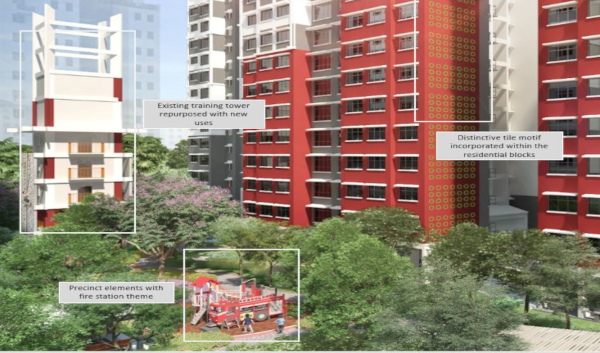
Jurong Fire Station © HDB
Although SCDF moved out of its 1970s fire station in Jurong to make way for a new public housing development, its iconic seven-storey tower has been retained.
The new housing design took inspiration from the breeze block facade of the tower, which will now house a heritage gallery and wall-climbing facilities.
Designing with historical elements
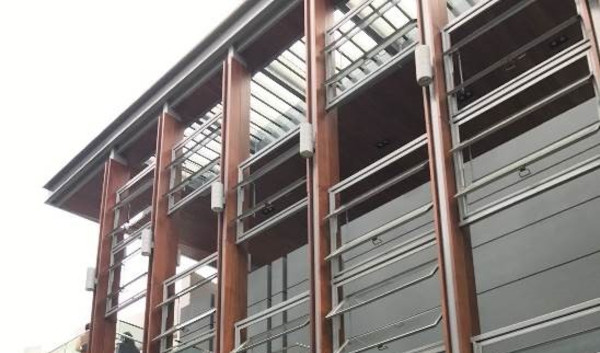
Mount Sophia
From a boundary wall made of the old roof tiles to an internal walkway shaded by mild steel windows (above), the Sophia Hills residence creatively repurposed heritage elements from three conserved buildings in its development to continue their stories in unexpected ways.
The buildings have also been adapted for modern uses, like a restaurant, childcare centre and clubhouse.
Beyond built heritage
The city’s colourful and vibrant heritage lives not just in its architecture but all around. In 2018, NHB drew up Our SG Heritage Plan, the first five-year master plan that outlines strategies and initiatives to safeguard and promote Singapore’s heritage and museum sector.
This has strengthened heritage institutions’ efforts in organising festivals in precincts such as Kampong Gelam, Little India and Balestier to celebrate their culture and heritage. Another milestone was the successful inscription of our hawker culture as Singapore’s first element on the UNESCO’s Representative List of the Intangible Cultural Heritage of Humanity in 2020.
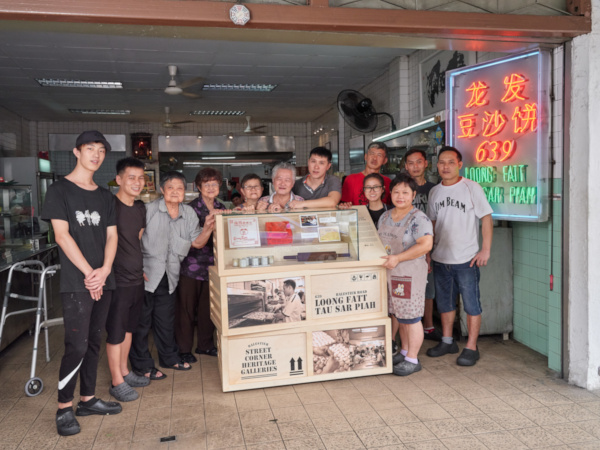
As part of the Street Corner Heritage Galleries programme, mini museums have been set up in shops with at least 30 years of experience in Singapore's historical precincts, such as Loong Fatt Tau Sar Piah in Balestier. © NHB
We will continue to look at ways to grow and strengthen the intangible heritage of places. The upcoming review of Our SG Heritage Plan will include initiatives to sustain the vibrancy of our heritage ecosystems and the social fabric in historic districts. For example, NHB has introduced grants to support the transformation of heritage businesses and organisations so that they can stay competitive, while retaining their cultural practices and skills.