
Future of Mobility
A sustainable urban mobility system is critical in facilitating the efficient movement of people and goods, to serve the social and economic needs of a city.
Last updated on 25 May 2026
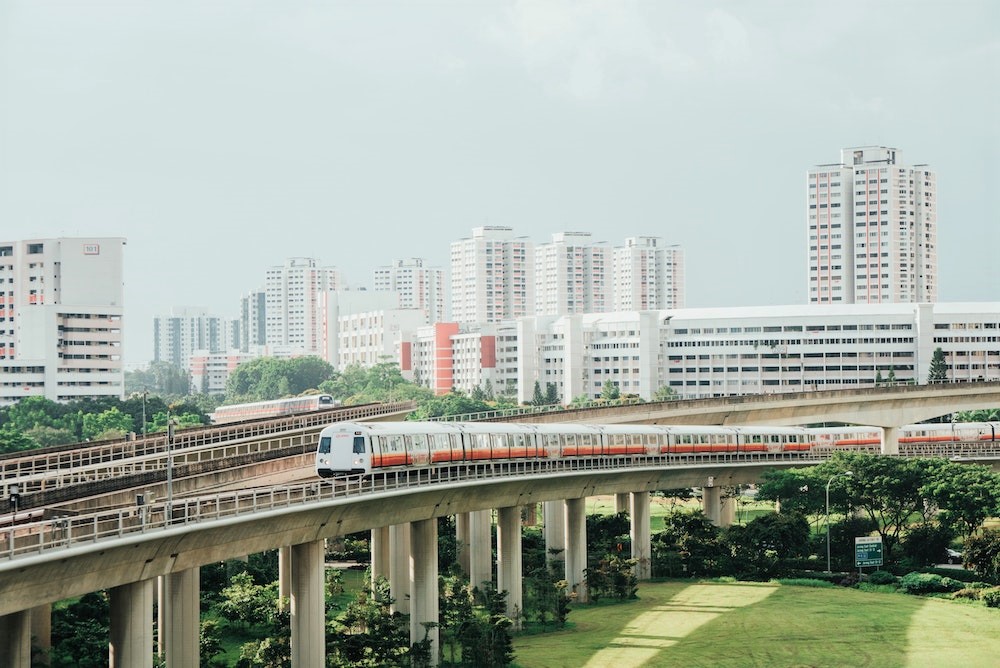
There is opportunity to plan for a more inclusive transport system that caters to different mobility needs, and harness new technological innovations in the process. Reviewing our long-term plans regularly also allows us to keep tabs on evolving developments and needs that affect the movement of goods and people and develop corresponding strategies to enhance the convenience and effectiveness of our mobility networks.
The Land Transport Authority’s Land Transport Master Plan 2040 will be a key milestone for how we move in the long term. It envisions a 45-Minute City with 20-Minute Towns; an inclusive land transport system; and one that contributes to Healthy Lives and Safer Journeys. This will be achieved through a more convenient, well-connected, seamless, and conducive transport system that caters to the needs of different commuters and users.
In the course of the Long-Term Plan Review (LTPR) public engagement exercise, Singaporeans and stakeholders have shared with us their aspirations for a more sustainable, inclusive and people-centric mobility system that is supported by better connectivity and safer active mobility infrastructure. They have also suggested that we consider how our plans will accommodate future modes of mobility, such as autonomous vehicles (AVs) and drones.
Articles
Explore insights and articles on future mobility trends, including new technologies and ideas shaping how people and goods move in cities.
Design future AV-enabled towns
Discover how autonomous vehicles could reshape towns with safer travel, less parking, and more green and shared spaces.
Planning more roads and town typologies encouraging a walk-cycle-ride lifestyle
Discover how autonomous vehicles could reshape towns with safer travel, less parking, and more green and shared spaces.
Webinars
Watch expert webinars on future mobility trends and technologies, and gain insights into how they may shape transport and city planning.