
Conserved Building
92 Cairnhill Road
Applicable Guidelines
Residential Historic District Guidelines
Conservation Area
Cairnhill Conservation Area
Historic address: 92 Cairnhill Road
About
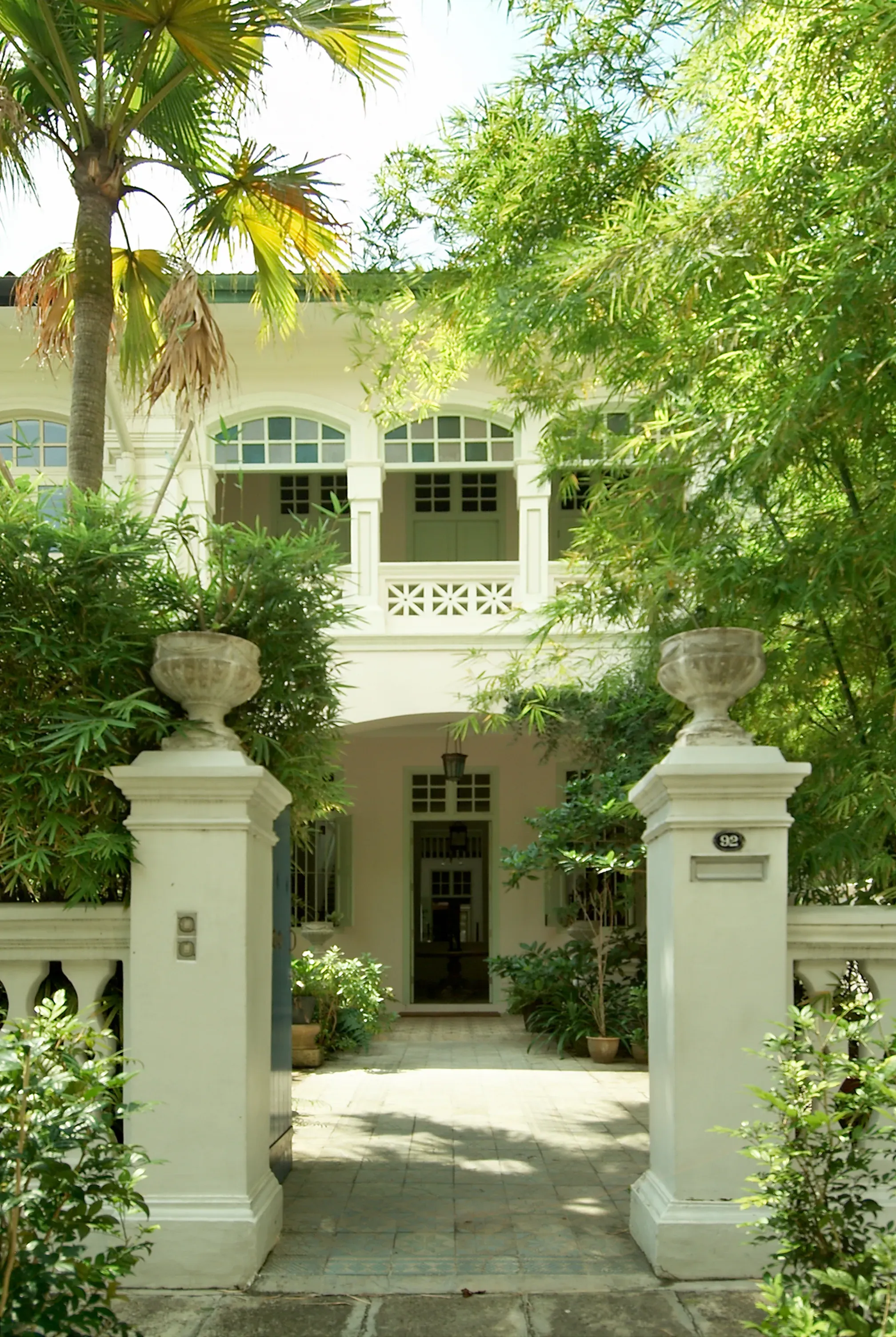
This terrace house is part of a row of ten houses designed in 1919 by Johannes Bartholomew Westerhout, who also designed many houses at nearby Emerald Hill.
The History
Cairnhill Road was an estate road leading to the hilltop nutmeg plantation of Charles Carnie (1810–1873), a Scotsman whose house was called Cairn Hill. There is no consensus on how the name came about. One explanation suggests that Carnie named his estate after a cairn — a common element in Scottish place names meaning a heap of stones, especially on a hill. Another explanation holds that the name is simply a corruption of "Carnie's Hill".
The Legacy
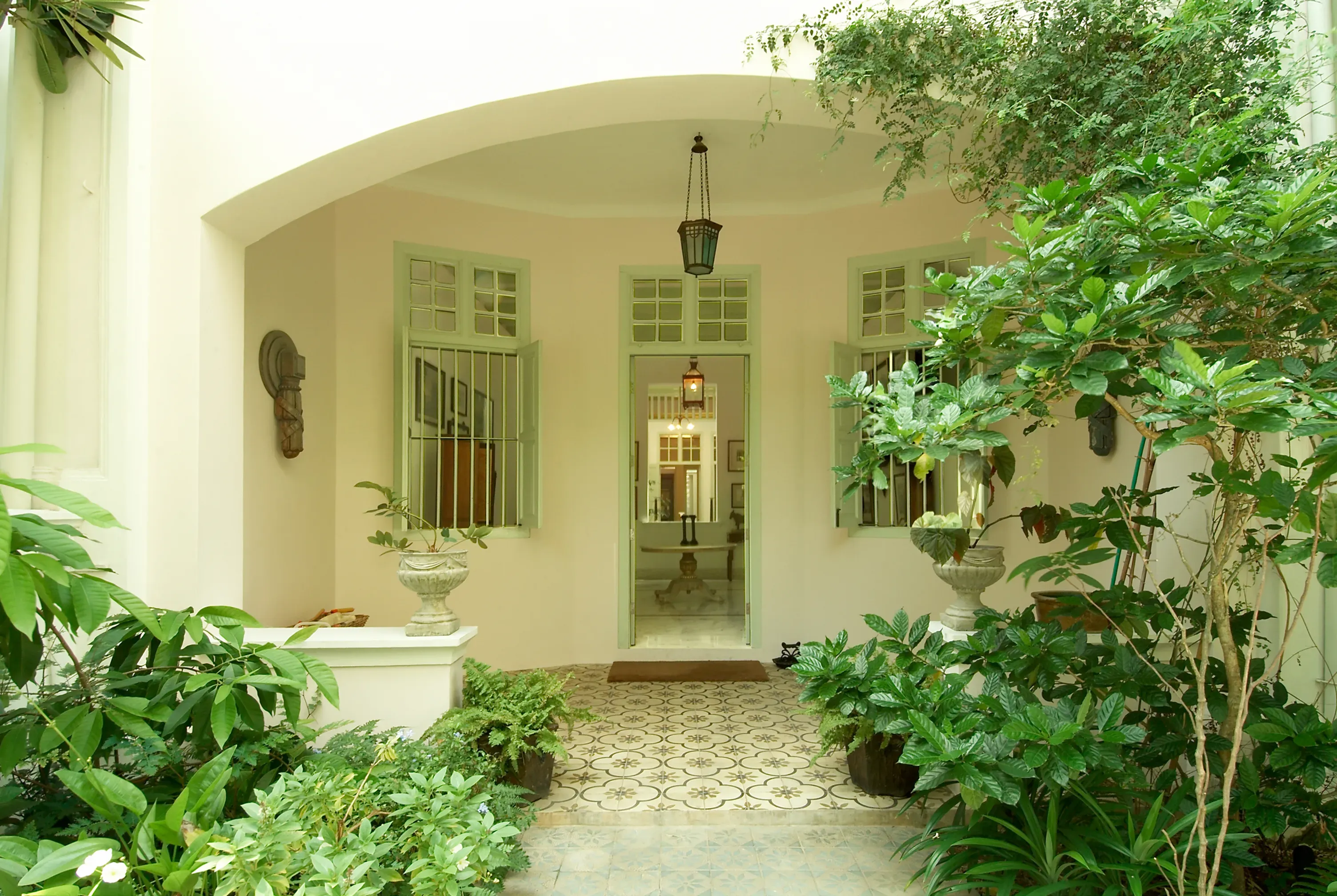
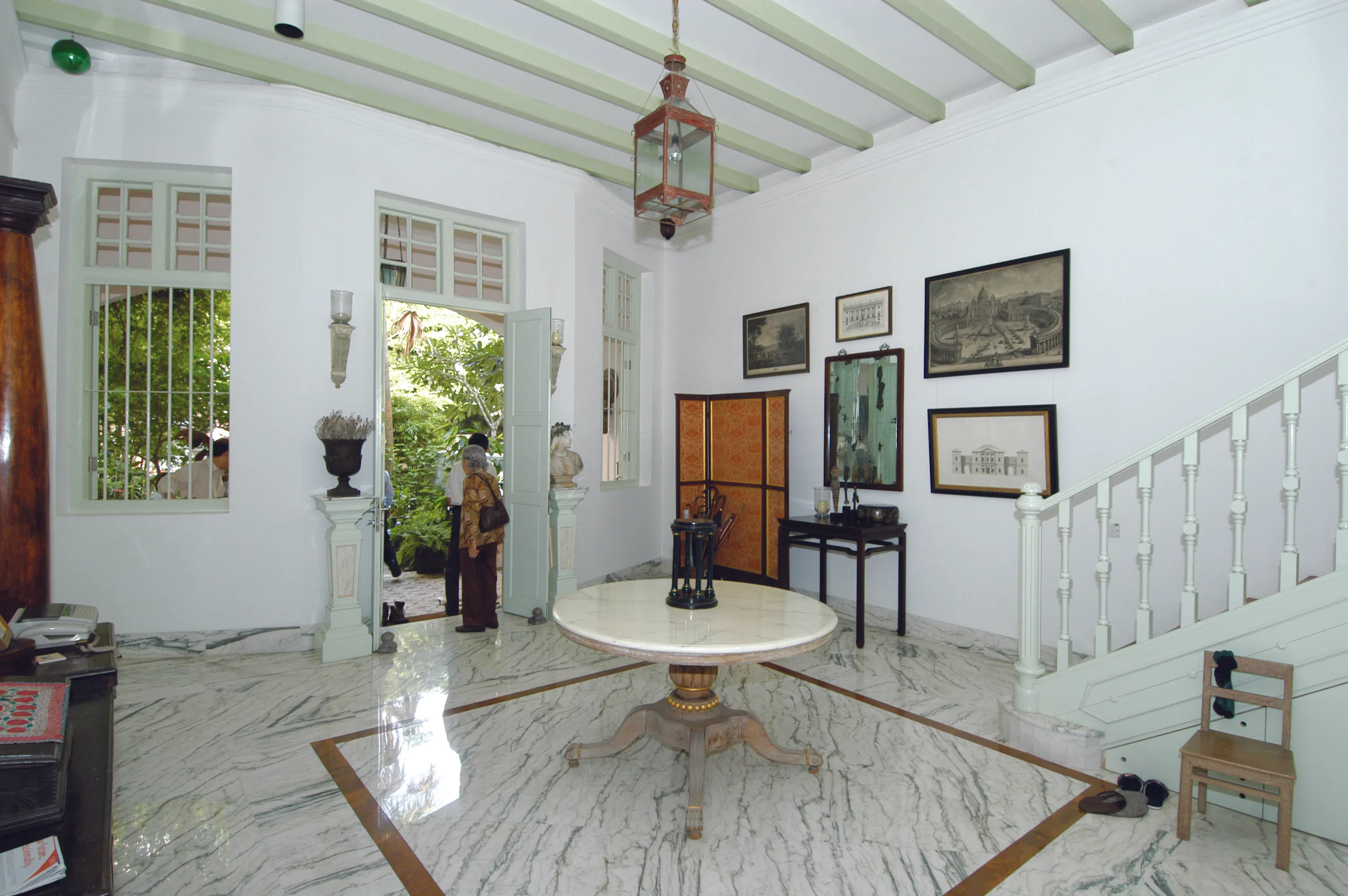
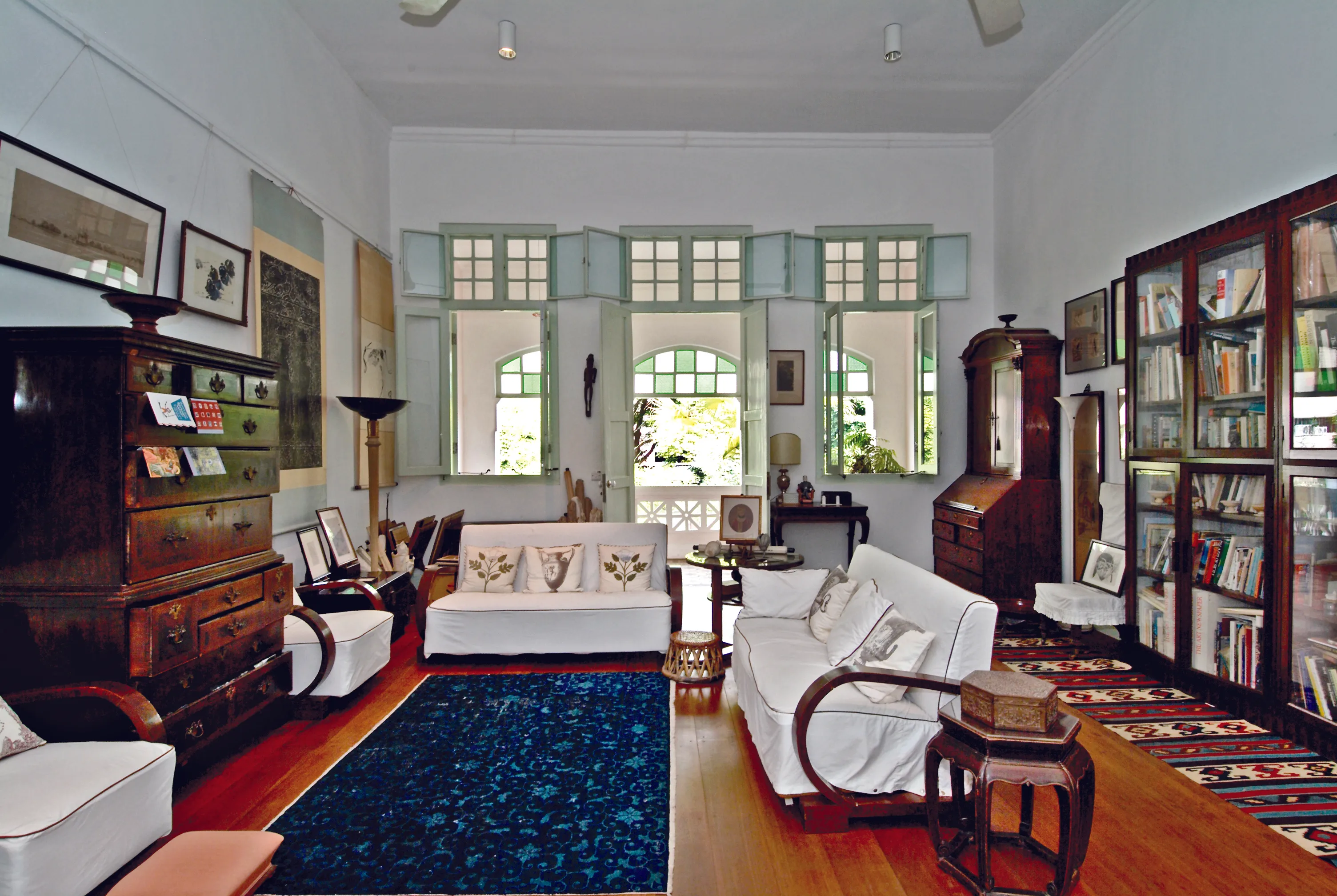
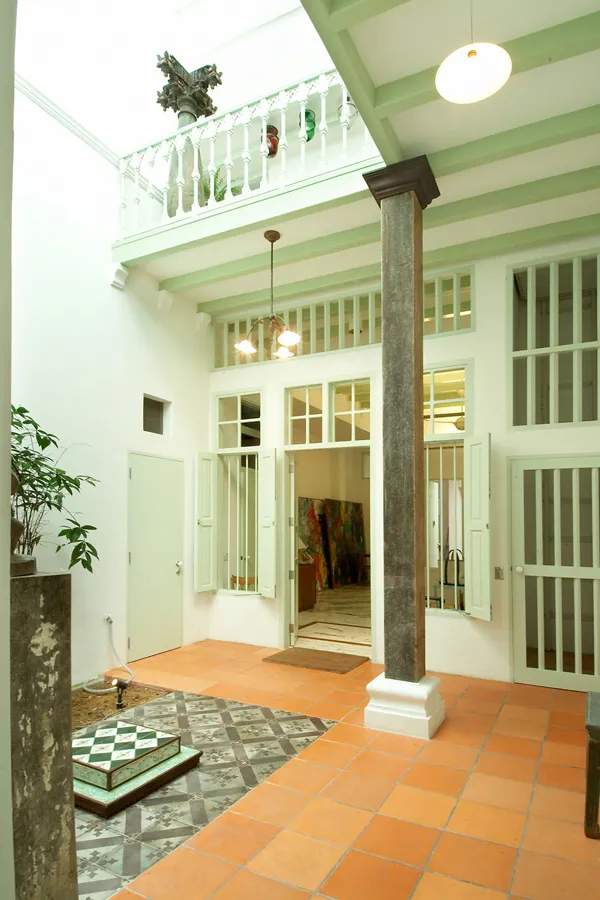
Prior to its restoration, this house had been unlived-in for some years and was in its original state except for the roofing. Features such as the original iron security bars and window shutters were retained, as were the floorboards, and nothing that could be recycled was discarded. The original patterned floor tiles, supplemented with additional ones imported from Malacca, were re-laid at the balcony and front yard. Rather than opting for a modern interior, an attempt was made to recreate the feeling of a house of the period, but with greater daylight penetration and better ventilation.
Guidelines and Procedures
All proposed works will need to comply with the Conservation Guidelines and the Specific Restoration Guidelines (SRG). Conservation Permission is required before all additions & alteration works and operations of new use can begin.
Residential Fronts are characterised by timber casement windows flanking a double-leafed timber door. All buildings with residential front which is existing and/or identified in the 'Specific Restoration Guidelines', regardless of land use zoning, shall be retained and restored.
Use Guidelines and Submission Process for Buildings in Historic Conservation Areas
Apply for Specific Restoration Guidelines (SRG) (opens in new tab)
Gallery
Explore Street View
The building can be found at this street.