Flexible Spaces for Innovation and New Needs
Adaptable, resilient spaces and policies that accommodate diverse uses will support innovation and entrepreneurship, strengthening competitiveness and safeguarding quality jobs.
Last updated on 25 May 2026
How are business models changing?
Rise of e-commerce, experiential retail as well as businesses selling directly to consumers
Conversion of industrial activities to services
Integration of commercial, industrial and research and development activities
The FairPrice Hub @ Joo Koon is an example of how the flexible use of space has benefitted not only businesses, but also workers and residents in the area.
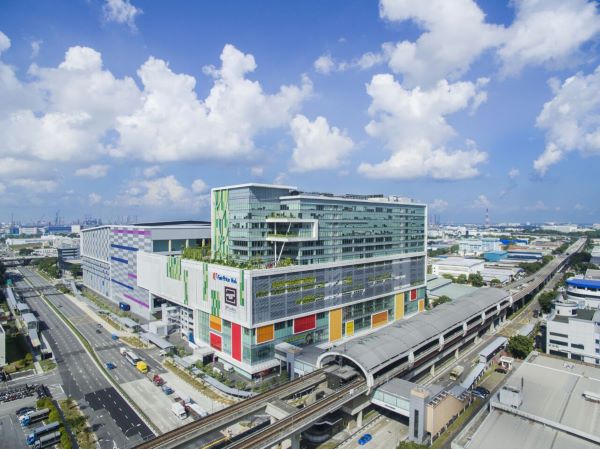
FairPrice Hub @ Joo Koon © NTUC FairPrice
Located on a Business White zone, it integrates warehousing with commercial uses such as offices, a hypermart, retail and F&B. It is located in an accessible site, with direct connection to the Joo Koon MRT station and bus interchange, providing integrated amenities and services for residents and commuters.
Beyond industrial spaces
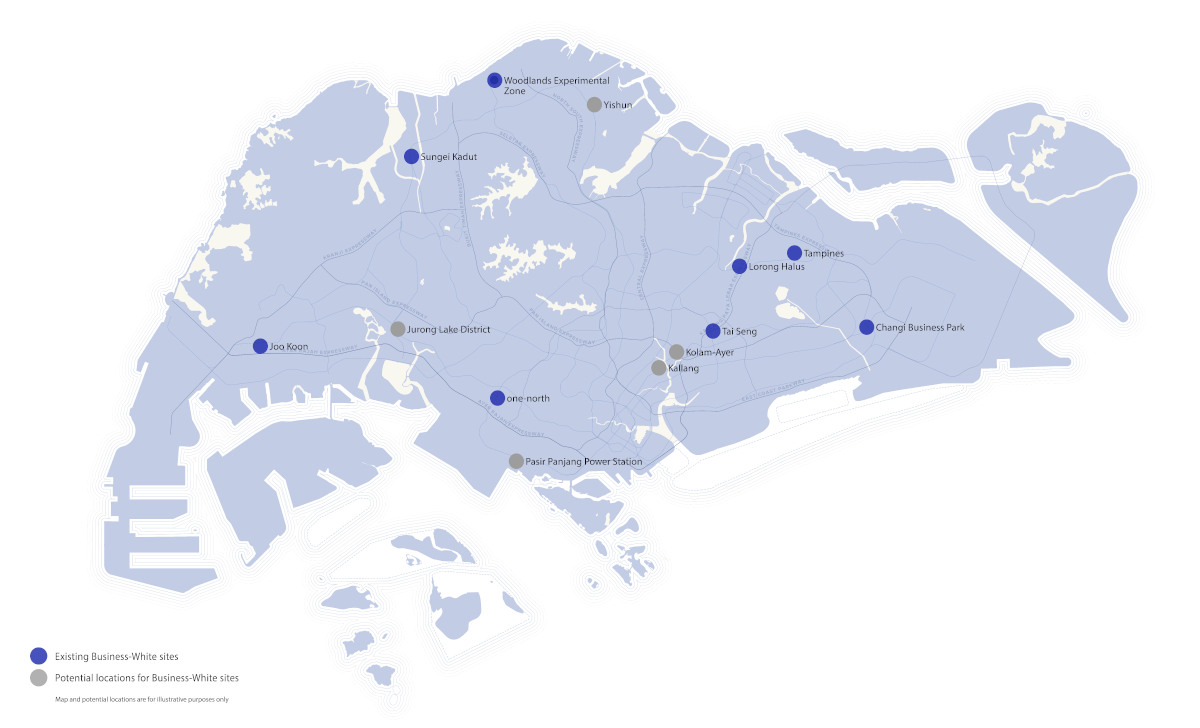
Business-White zones allow industrial developments to have a greater proportion of non-industrial uses. Such flexibility enables the integration of the entire business value chain, as well as complementary amenities within a development, for example, co-working spaces, retail and food and beverage. In future, if the disamenities from industrial uses can be managed, it can even accommodate hotels and housing.
Attractive locations
Suitable sites could be those in more accessible locations close to transport nodes, to support the higher number of workers and visitors anticipated. They are also distributed across estates islandwide, to support each ecosystem. These initiatives will be monitored, adjusted and scaled up where appropriate, to best meet business needs.
Greater degree of flexibility
To support the changing needs of manufacturing companies, we are exploring an even greater relaxation of regulations at the Woodlands Experimental Zone. This allows the co-location of manufacturing operations with knowledge-intensive and service-oriented activities such as experience centres and after-sales services.
Flexibility across districts
Under the Enterprise District programme, appointed master developers such as JTC can determine how best to use spaces across the district instead of being subject to existing development rules for each site. This supports holistic planning of shared amenities, more agile response to market demands, and the opportunity to plan for infrastructure that benefits the entire district.
Ecosystems of close collaboration
The Enterprise District at Punggol Digital District will support digital and cybersecurity industries by distributing R&D, manufacturing and service-oriented spaces in a way that facilitates interactions.
Besides land use flexibility, the district-wide Open Digital Platform facilitates the development of innovative solutions to optimise services and for smart facilities management.
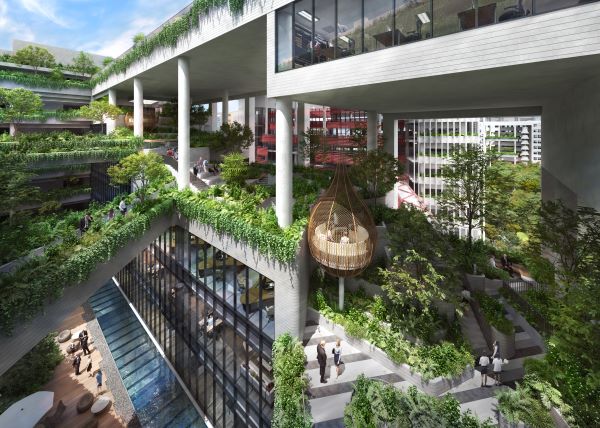
Punggol Digital District © JTC
One-stop hubs of the future
Envisioned as a one-stop advanced manufacturing hub, the Jurong Innovation District brings together businesses and research institutes to support the adoption and innovation in Industry 4.0. The flexibility to house the full value chain enables companies to prototype, scale and sustain their next-generation solutions at one location.
Hyundai will be setting up its new innovation facility within the ecosystem, which currently houses companies such as Shimano, as well as A*STAR’s Advanced Remanufacturing and Technology Centre, which has a model factory that explores 5G and digital technology solutions for manufacturing.
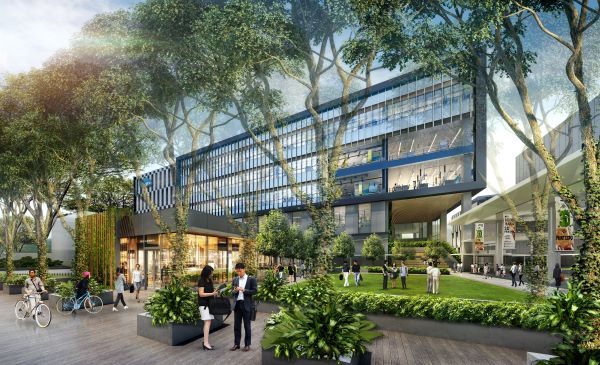
Jurong Innovation District © JTC
Facilitating faster redevelopment cycles
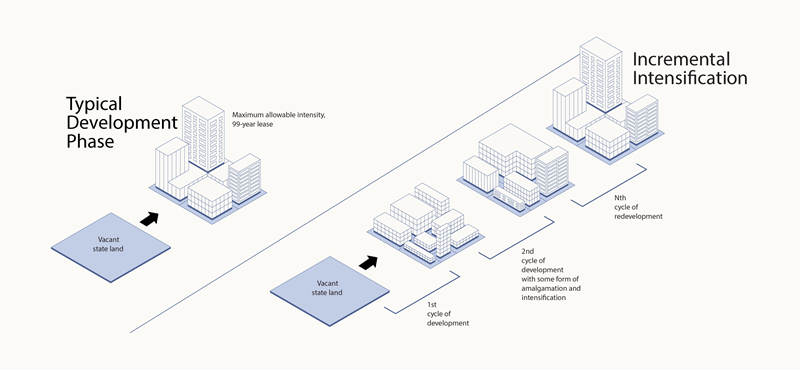
Offering a variety of leases for some sites will support fast-changing needs and facilitate future rejuvenation efforts in selected areas.
As the impact of flexible work arrangements on office space demand and design would continue to evolve, releasing sites on a variety of tenures and densities would allow variety and experimentation. Having some sites with shorter tenures would also enable our land uses to be refreshed in shorter cycles. This is being explored in the City Centre as well as in job nodes closer to homes.