
Balconies, Private Enclosed Spaces, Private Roof Terraces and Indoor Recreation Spaces
Check the guidelines relating to balconies, private enclosed spaces, private roof terraces, and indoor recreation spaces and for flats and condominiums.
Last updated on 6 July 2026
Balconies
The GFA of balconies in flats and condominium developments may be computed over and above the Master Plan (MP) allowable GPR, subject to a cap of 7% computed based on the proposed residential GFA of the development. The additional GPR may only be used for balcony GFA and shall not form the future development potential of the site upon redevelopment. The additional balcony GFA may be subject to SLA levying Land Betterment Charge, where applicable. When submitting development proposals with balconies, the QP is required to demarcate the balcony area clearly on the Calculation Plan and declare the total balcony area that exceeds the MP allowable GPR.
Existing developments whose GPR have exceeded the Master Plan intensity may qualify for the additional balcony GFA, subject to a cap of 7% of the existing and approved residential GPR inclusive of planter boxes, if any. This does not apply to existing developments whose building form, height or use are not in accordance with the planning intention of the Master Plan, Building Height Plan or Special and Detailed Control Plan. For instance, a flats development within a designated landed housing area shall not qualify for the bonus balcony GFA.
To qualify for the additional GPR only for use as balcony, the balcony designs shall adhere to the following guidelines and submission requirements:
Location
Balconies shall be located away from M&E areas to safeguard the quality and usability of these spaces.
Openness
Balconies shall have a continuous perimeter opening of at least 40%.
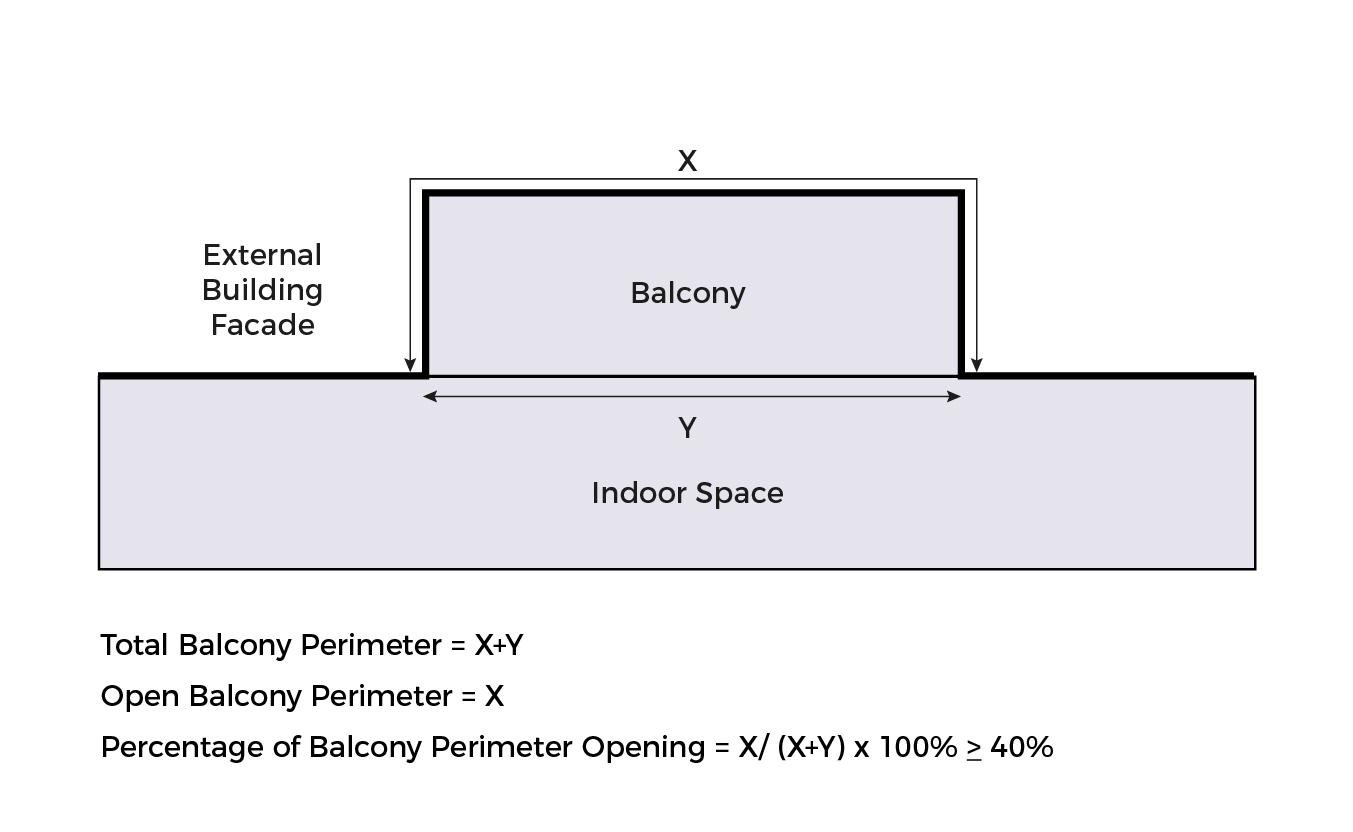
Balcony Perimeter Opening
The portions of a balcony that face a parapet wall (e.g. a wall between the balconies of two adjoining units) not exceeding 1.3m in height are considered “open”.
The QP shall show the computation of perimeter opening for the proposed balconies on the floor plans.
Size
Total balcony size for each dwelling unit is capped at 15% of the internal nett unit size1.
1 This excludes voids, balconies, air-conditioner ledges and other external areas, computed to the middle of the walls. The intention is to ensure that the balconies are not disproportionately large relative to the main unit.
Width
Balconies shall have a minimum width of 1.5m as measured from the external building wall. Exceptions to the width requirement may be considered arising from the design merit of the proposal, such as a curved or odd-shaped balcony but the balcony shall be reasonably sized.
Access
Balconies with exclusive access from the kitchen/yard/utility space are treated as service balconies and do not qualify for bonus GFA. Balconies which serve as the only access into a dwelling unit do not qualify for bonus GFA.
Screen
Balconies shall not be enclosed with walls or glass panels as balconies are meant to be semi-outdoor spaces. Blinds are akin to furnishing and can be allowed at balconies without planning permission from URA.
Balcony screens (e.g. in the form of vertical fins, louvered panels) may be allowed provided:
The balcony screens can be drawn open or retracted fully; and
The balcony screens allow for natural ventilation/air flow within the balcony at all times, even when the screens are fully drawn closed.
See diagrams below for some possible designs of balcony screens.
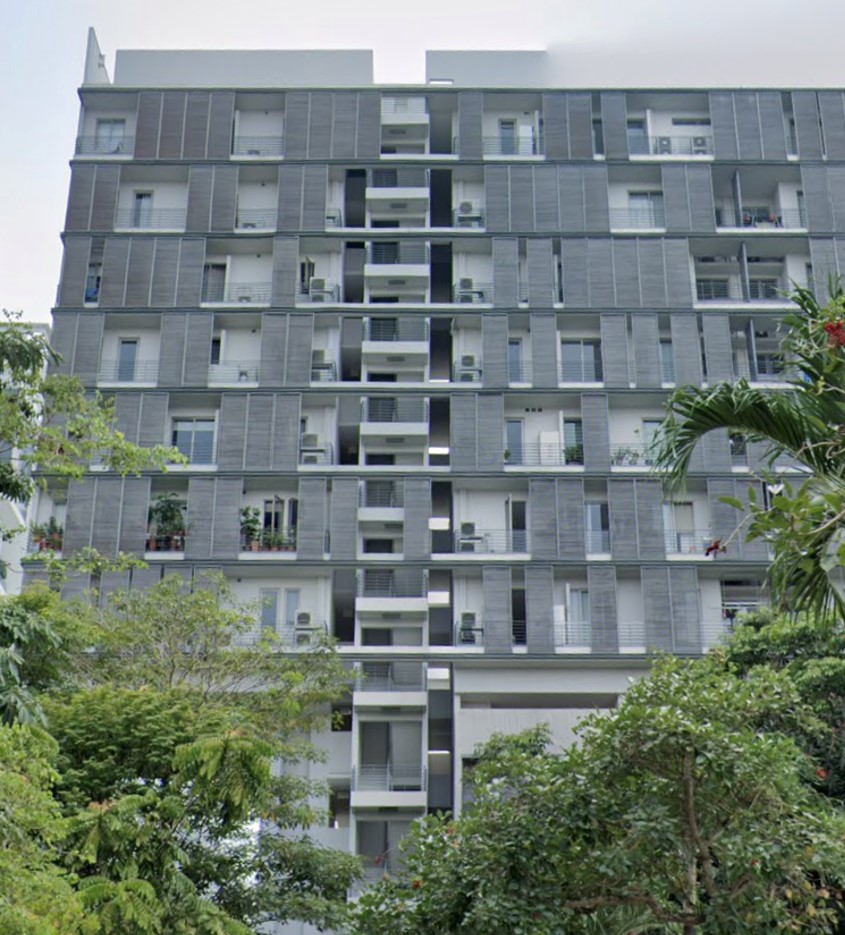
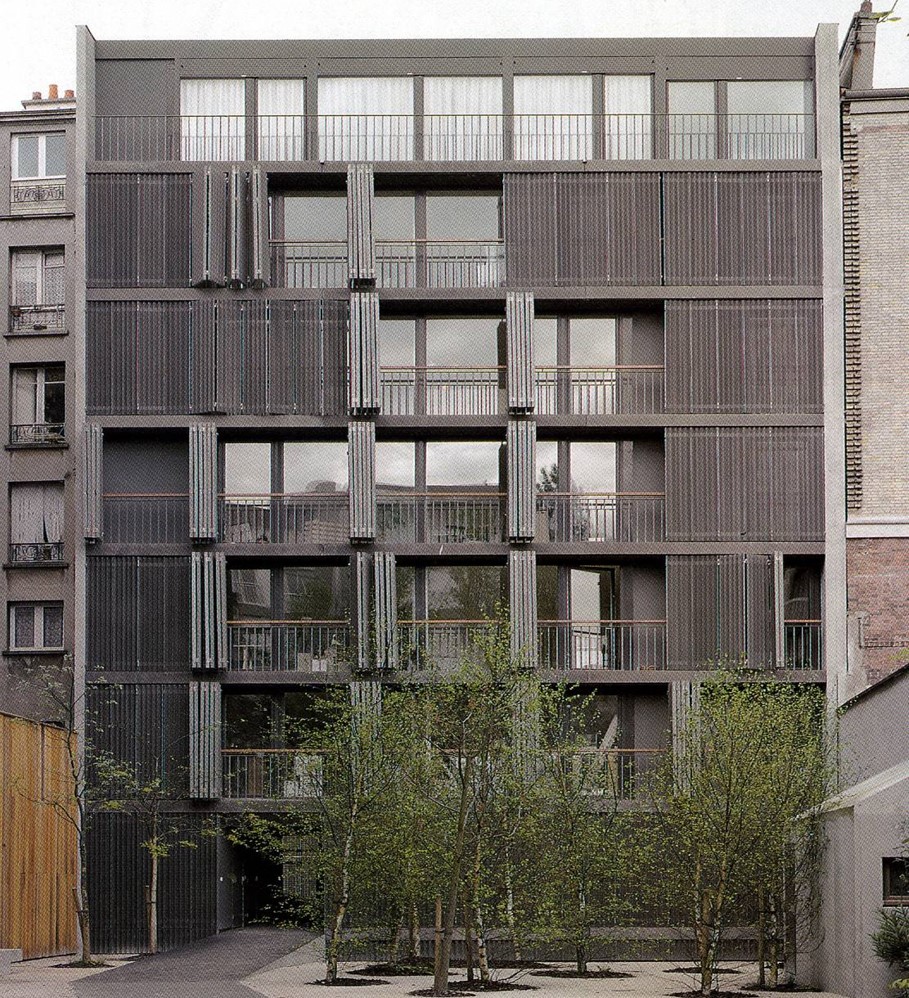
Balcony screens shall be designed upfront and approved as part of the Development Application process for all new residential developments with proposed balconies (including the residential component of mixed-use developments). Developers may propose a single screen design or a few designs for the end-users to choose from.
Developers shall provide a Letter of Undertaking to be submitted at the Development Application Stage, downloadable via the following link [PDF, 351 KB] (opens in new tab).
The plans shall show the balcony screens in elevation view; one view fully retracted and another view fully closed with a fully retracted view in a plan view. The porosity of the balcony screen shall be annotated, and if the screening is louvred, the individual slats shall be fixed (i.e. not adjustable). Section cuts of the louvres shall be provided to show that the screening is naturally ventilated at all times, even when closed.
If sales gallery and/or show unit(s) is/are erected for the development, developers shall be required to install the approved balcony screen in its actual scale in the show unit of the development.
If the balcony screens are not erected within the show unit as it may block the entrance, the developer shall erect a mock-up of the full approved balcony screen elsewhere within the show gallery premises.
Mock-ups showing only parts of the approved balcony screen or scaled down versions of the balcony screens installed at the balcony are not allowed.
For developments with multiple approved balcony screen designs, mock-ups of all the balcony screen designs shall be installed at the show gallery of the development.
A written notice and a detailed drawing of the approved balcony screen showing the overall specifications shall be displayed next to the mock-up balcony screen. The written notice shall include the following:
Explicitly state that ‘The balcony shall not be enclosed except with the approved balcony screen’.
For balconies where the screen is not installed within the balcony of the show unit itself, the notice shall refer to the mock up balcony screen installed in the other show unit or sales gallery.
State that the purchasers shall have the option to have the balcony screen pre-installed in the units and make clear if the purchasers have to bear separate costs for its installation.
Under rule 10(4) of Housing Developer Rules, developers shall explicitly state in the unit floor plan in Form 3 that “Balconies shall not to be enclosed except with a balcony screen which has been approved and complies with the Competent Authority’s guidelines”.
Developers shall provide purchasers the option to have the approved screening pre-installed at their balconies. This option shall be offered via a side letter at the point of issuance of the Option to Purchase. This is not applicable for developers who choose to pre-install approved screens for all balconies in the development.
For existing developments without balcony screens, screens may be installed provided they fulfil the performance criteria above. Subsidiary proprietors who wish to propose balcony screens should adhere to any design guidelines set out by their MCST. Safety grilles are not considered balcony screens, and do not require URA's approval.
Private Enclosed Spaces (PES)
A Private Enclosed Space (PES) refers to a semi-outdoor area adjacent to a strata unit. It forms part of the private strata area of units which are sold to homeowners.
The GFA of PES in flats and condominium developments may be computed over and above the Master Plan (MP) allowable GPR, subject to a cap of 7% computed based on the proposed residential GFA of the development. PES approved before 12 January 2013 may not be counted towards the development’s GFA.
To qualify for the bonus GFA scheme, PES shall comply with the guidelines to retain a semi-outdoor character. The structures shall comply with the relevant requirements from technical agencies.
Table 1: Guidelines for PES
Covers |
|
|---|---|
Setback | The PES cover shall be located outside the setback line, as the covers would add to the bulk and massing of the building. |
PES Fencing | Any PES fencing that defines the extent of the PES shall not exceed 1.3m in height. This is to ensure the open and semi-outdoor nature of the PES. A 1.8m screening wall may be proposed between PES adjoining each other for privacy purposes. Full height separating walls between adjoining PES may be allowed if they are to meet FSSD’s requirements. |
Private Roof Terraces (PRT)
A Private Roof Terrace (PRT) refers to a semi-outdoor area located at the roof level of a strata unit. It forms part of the private strata area of units which are sold to homeowners. To avoid complications at the strata-subdivision stage, these should be clearly annotated as ‘Private Roof Terraces’.
The GFA of PRT in flats and condominium developments may be computed over and above the Master Plan (MP) allowable GPR, subject to a cap of 7% computed based on the proposed residential GFA of the development. PRT approved before 12 January 2013 may not be counted towards the development’s GFA.
To qualify for the bonus GFA scheme, PRT shall comply with the guidelines to retain a semi-outdoor character. The structures shall comply with the relevant requirements from technical agencies.
Table 2: Guidelines for PRT
Location | Private roof terraces may be allowed on the flat roof of a building. Private roof terraces shall not be allowed on top of the attic level. | |
|---|---|---|
Covers |
| |
Height Control | If the storey height control has been maxed out | If the storey height control has not been maxed out |
Structures within Private Roof Terraces | To retain the open and semi-outdoor nature of the RT, any structures shall remain open-sided as viewed from the external façade. | |
Communal roof terraces are open to sky areas managed by the MCST which serve to provide landscaping and communal facilities for residents in the development. They shall not be counted as GFA. Covered or enclosed features within these areas shall be counted as GFA.
2 Springing Line: The line joining the points on which the roof rests.
Indoor Recreation Spaces
Private non-landed residential developments and the residential component of mixed-use developments may apply for the communal indoor recreation spaces to be computed over and above the Master Plan (MP) allowable GPR, provided such spaces are more than 0.6% of the total proposed residential GFA of the development or 10sqm (whichever is higher). The bonus GFA shall be capped at 1% of the total proposed residential GFA of the development.
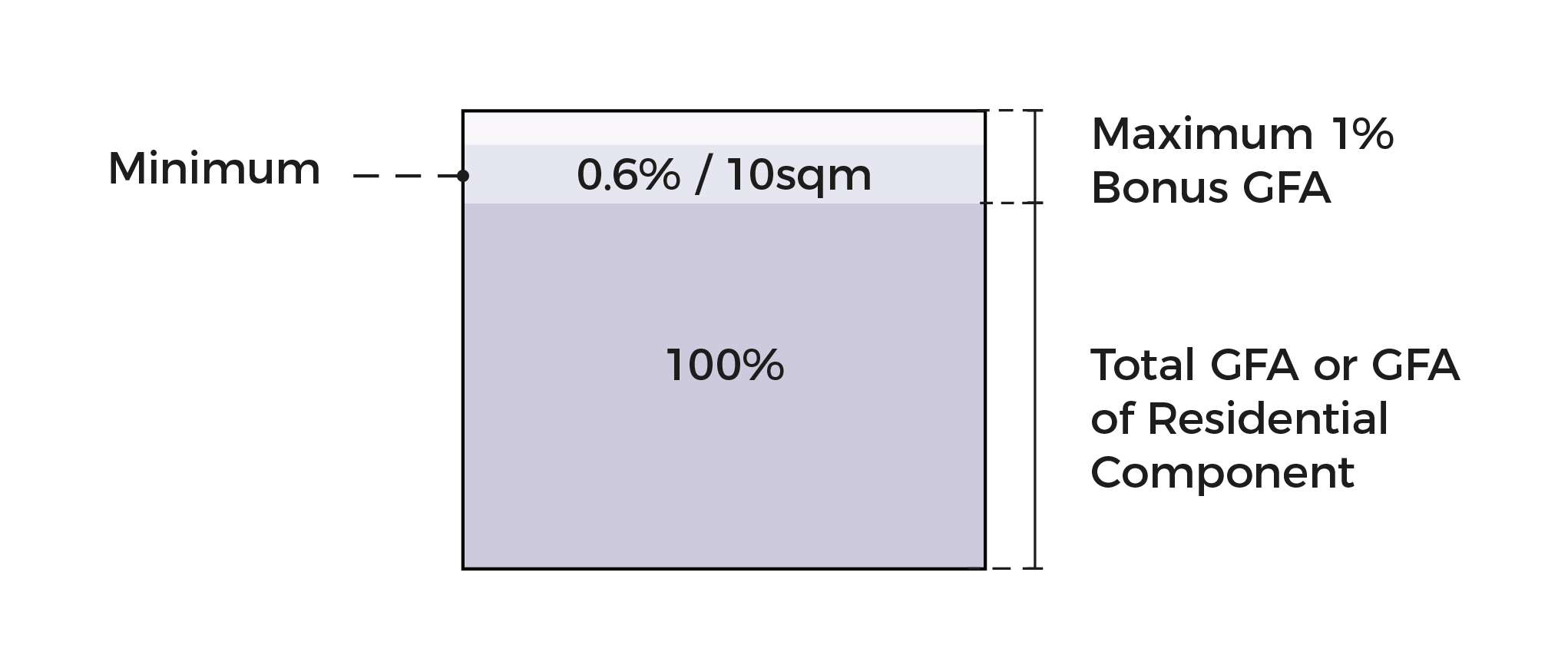
Bonus GFA for Indoor Recreational Space
If the proposed communal indoor recreation spaces are less than 0.6% of the total GFA of the development or 10sqm (whichever is higher), these spaces shall be counted under the main building GFA instead of bonus GFA.
Examples of communal indoor recreation spaces that may qualify for this scheme include gyms, function rooms, libraries, game rooms and reading rooms. Developers may propose other forms of communal indoor recreation spaces for URA’s evaluation. These spaces shall be retained as common property and kept accessible to residents of the development. They shall only be used for non-commercial purposes.
The indoor recreation space bonus GFA scheme shall apply to all development applications for new erection, amendments to approved developments or additions and alterations (A&A) of existing private non-landed residential developments or mixed-use developments with a residential component.
All additional GFA granted under the indoor recreation space bonus GFA scheme shall not form the future development potential of the site.