
Conservation Area
Kampong Glam Conservation Area
Applicable Guidelines
Historic District Guidelines
Conservation Area
Kampong Glam Conservation Area
Find out more about Kampong Glam Conservation Area.
Important Information
All proposed works will need to comply with the Conservation Guidelines and the Specific Restoration Guidelines (SRG). Conservation Permission is required before all additions & alteration works and operations of new use can begin.
Owners, architects and engineers intending to carry out restoration works or development within conservation areas are required to comply with the conservation principles, planning parameters and restoration guidelines for conserved shophouse and bungalow building typologies, as well as planning parameters and envelope control guidelines for new buildings within conservation areas accordingly.
For other building types, which do not conform to the standard shophouse or bungalow typology, these will be evaluated on a case-by-case basis in accordance with conservation principles. [1]
About
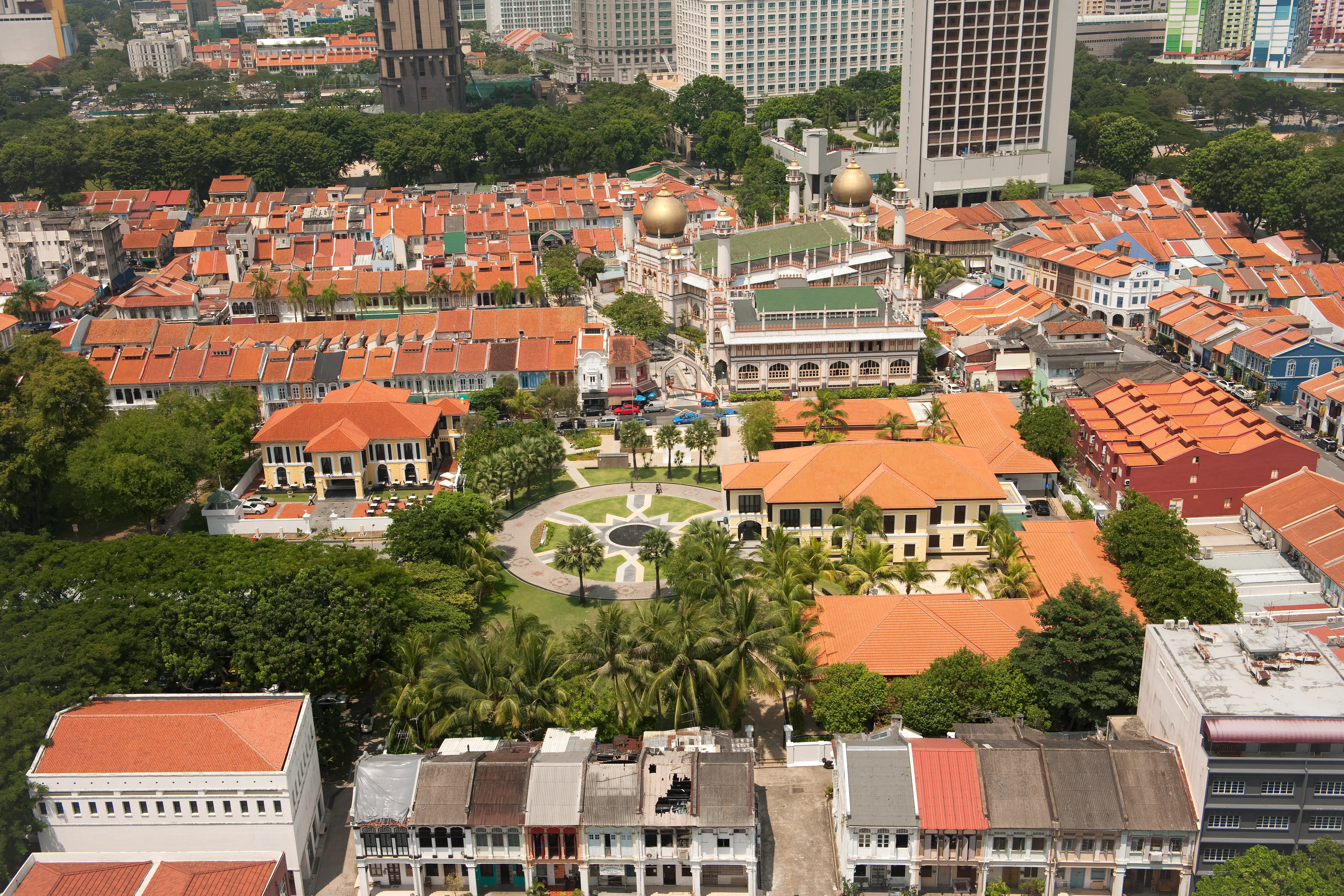
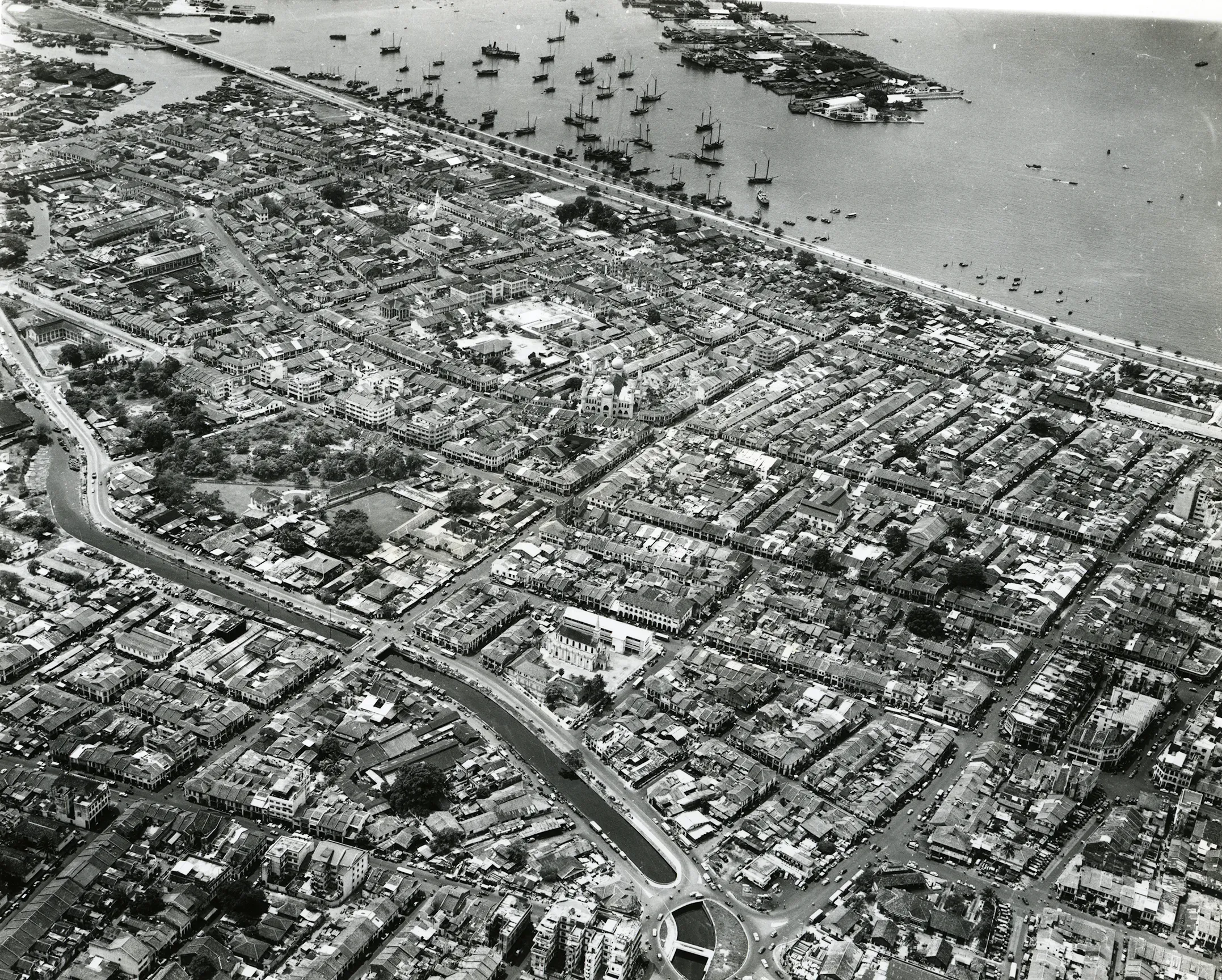
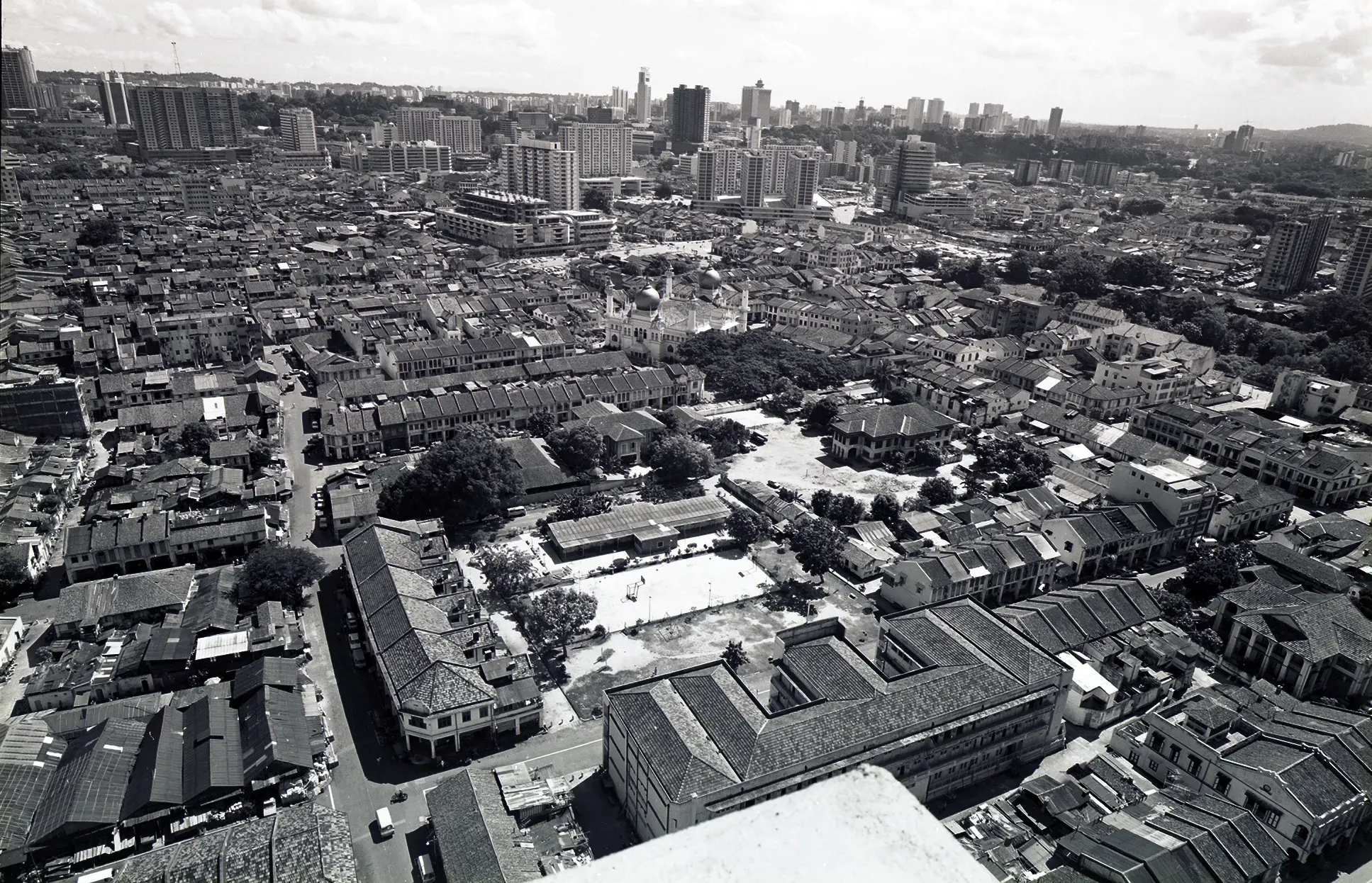
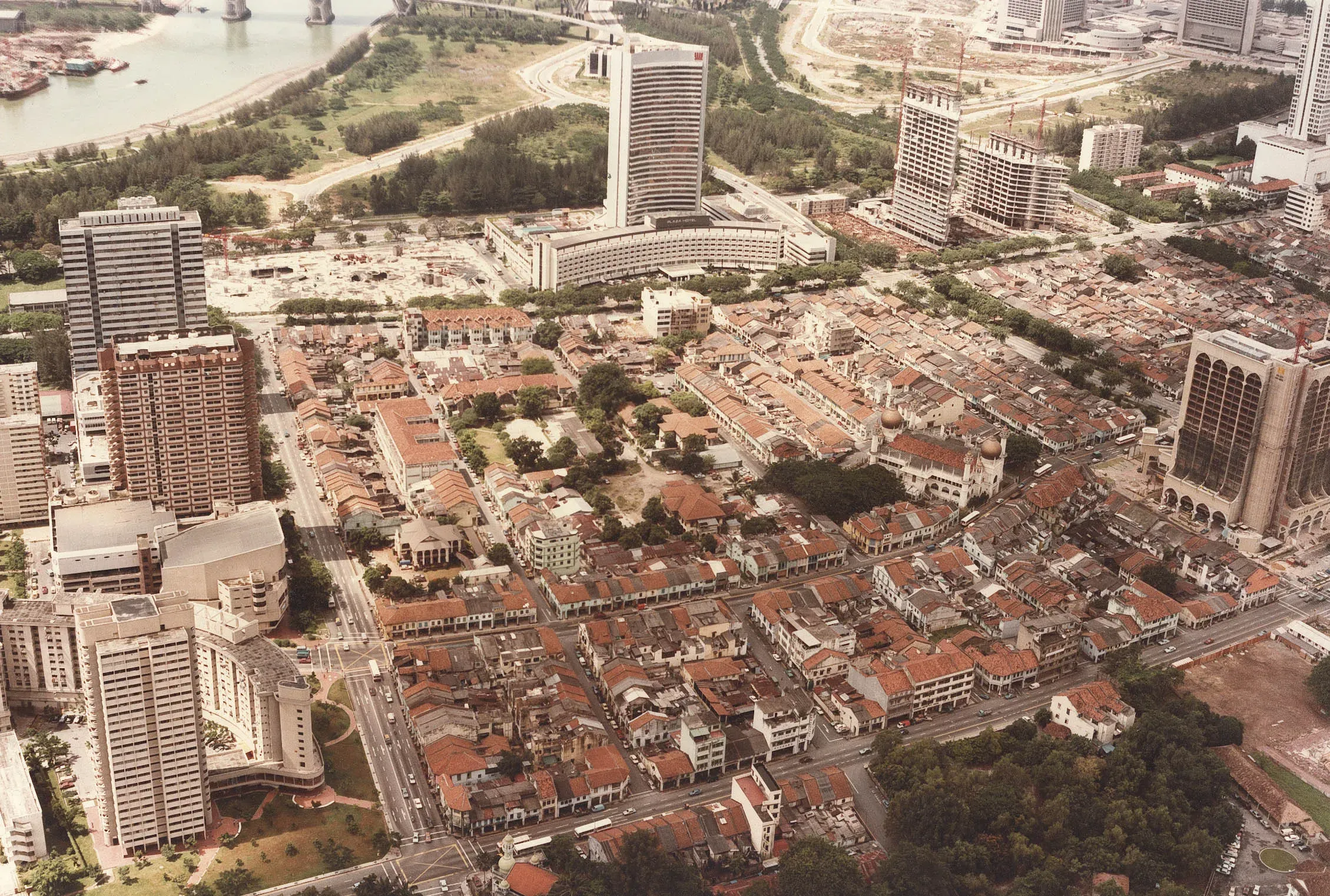
Kampong Glam (also spelled ‘gelam’) was once the seat of Malay royalty in a traditionally Malay urban residential area that stretched from Rochor Road to the banks of the Kallang River. It was bustling with various cultural and ethnic activities. The conservation area is bounded by Ophir Road, Victoria Street, Jalan Sultan and Beach Road, and features mostly two-storey shophouses of the Early and Transitional styles.
The History
Kampong Glam probably derived its present name from the gelam tree. The bark of the gelam tree was used by the Orang Laut to make awnings and sails. Its timber was often used for constructing boats and also served as firewood. Its fruit was ground and used as pepper - mercha bolong; and its leaves boiled and concocted into the Cajeput oil, a medication for rheumatism and cramps.
The area is well known for two major landmarks: Sultan Mosque, Singapore’s most important mosque, and the Istana Kampung Gelam, the former Sultan’s palace. Aside from the Sultan's family, residents of the area included the Arabs, Boyanese, Bugis and Javanese, and by 1824, at least 1/3 of the residents were Chinese. Different streets were settled by Muslims from different parts of South-East-Asia. Other major community and religious landmarks are the Hajjah Fatimah Mosque (National Monument), the Malabar Mosque and the Madrassah Alsagoff Al-Arabiah.
The commercial landscape of Kampong Glam was characterised by many traditional businesses that catered to the Malay/Muslim community and beyond: frame makers, tombstone carvers, textile wholesalers, spice traders and perfumers, sandal makers, Muslim food caterers, and retailers of gemstones, rattan handicraft and religious paraphernalia.
Many streets also had their own unique trades. North Bridge Road was known for many tailors and Chinese-run goldsmith shops. Sultan Gate used to be dominated by stone masons and blacksmiths. The Beach Road waterfront before reclamation was the focal point of trading and shipping services that thrived on the arrival of Bugis ships and traders. Haji Lane, named after the ‘Hajj’ – which is the pilgrimage undertaken by Muslims to Mecca and Medina, and the stretch of Bussorah Street nearer to Sultan Mosque were residences and also centres for pilgrimage services, serving Muslim pilgrims from around the region.
Kampong Glam was also a centre for publications dealing with Islamic and Malay literature, and education for the Muslim community. Madrassahs, educational institutions based on Islamic principles were set up. One such institution is the Madrassah Alsagoff Al-Arabiah.
The Architecture
Some of the area’s earliest shophouses can be found at Haji Lane. These 2 storey shophouses are of the simple Early style, characterised by minimal plaster ornamentations and low ceiling height. They used to house accommodation for Muslim pilgrims transiting through Singapore. At just over 4 meters wide in parts, Haji Lane is reputedly Singapore’s narrowest street.
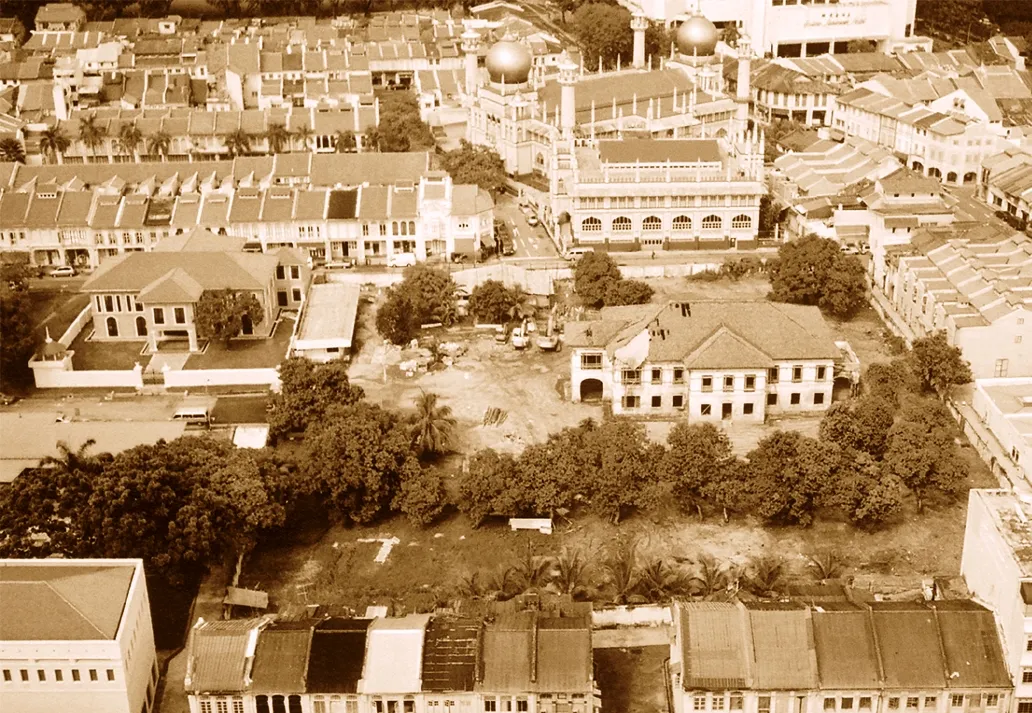
The 2-storey Istana Kampong Gelam (circa 1840s) is another early building. Formerly the Sultan’s palace, it has since 2005 been restored as the Malay Heritage Centre and houses exhibits relating to the history of the area and of the Malay world. The house is said to have been designed by George Drumgoole Coleman, Singapore's first Superintendent of Public Works who was appointed in 1833. He was the pioneer colonial architect responsible for much of the planning, surveying and design of early Singapore. The landscaped gardens provide a pleasant green space for the area.
Standing next to the former Sultan’s palace is the Gedung Kuning, or Yellow House. Built in the mid-19th century, it is painted yellow, the colour of royalty in traditional Malay society. The entrance to the house is marked by a pair of eagles above each gate posts. At the left hand corner of the compound is a unique pavilion that used to be a dovecote.
Another architectural landmark is the Madrassah Alsagoff Al-Arabiah, established along Jalan Sultan in 1912 by the wealthy Yemeni-Arab Alsagoff family, who were traders and community leaders in Singapore, Malaya and the Dutch East Indies (today’s Indonesia). It is a two-storey building of red-brick and white plaster, typical of the Edwardian-style popular during the period. It features prominent semicircular arches on pillars and a Dutch-style pediment over the portico. A new wing was added to the school in 1992.
Other significant buildings in the area include the heavily ornamented former Al-Ahmadiah Press along Jalan Sultan, the Art Deco former Chong Cheng School and Chong Pun Girls’ School along Aliwal Street, and the Malabar Muslim Jama’ath Mosque with its unique blue tiled façade and golden dome at Victoria Street.
The Legacy
Kampong Glam was gazetted as a conservation area on 7 July 1989. Additional buildings in and around the area have been added to the conservation stock in 2011 and 2014.
Kampong Glam today and the Sultan Mosque is still the spiritual centre for Singapore’s Muslim community. The Malay Heritage Centre in the former Istana Kampong Gelam has recently been re-launched to include a greater focus on the history of this district.
While the trades in the area have diversified and changed over the years, there is still a strong focus on textiles and a variety of Muslim cuisine. Newer shops and eateries now draw an increasingly young and diverse group of visitors to this district, which has revived the connection between this area and the wider Singaporean and international environment.
Guidelines and Procedures
Apply for Specific Restoration Guidelines (SRG) (opens in new tab)
Use Guidelines and Submission Process for Buildings in Historic Conservation Areas
Gallery
Resources
Videos
[1] The conservation guidelines for shophouses and bungalows will generally be applied by URA in the consideration of a development application. However, if the circumstances or planning considerations relevant to a case warrant it, URA may in its discretion decide to depart from these general guidelines. The guidelines, principles and illustrations found in the guidelines are not exhaustive in covering all possible site conditions and variations in building type. Persons intending to carry out a development are advised to take this into consideration and check with URA through enquiries or development applications to confirm if their proposals can be allowed.