
Conservation Area
Joo Chiat Conservation Area
Applicable Guidelines
Secondary Settlement Guidelines
Conservation Area
Joo Chiat Conservation Area
Find out more about Joo Chiat Conservation Area.
Important Information
All proposed works will need to comply with the Conservation Guidelines and the Specific Restoration Guidelines (SRG). Conservation Permission is required before all additions & alteration works and operations of new use can begin.
Owners, architects and engineers intending to carry out restoration works or development within conservation areas are required to comply with the conservation principles, planning parameters and restoration guidelines for conserved shophouse and bungalow building typologies, as well as planning parameters and envelope control guidelines for new buildings within conservation areas accordingly.
For other building types, which do not conform to the standard shophouse or bungalow typology, these will be evaluated on a case-by-case basis in accordance with conservation principles. [1]
About
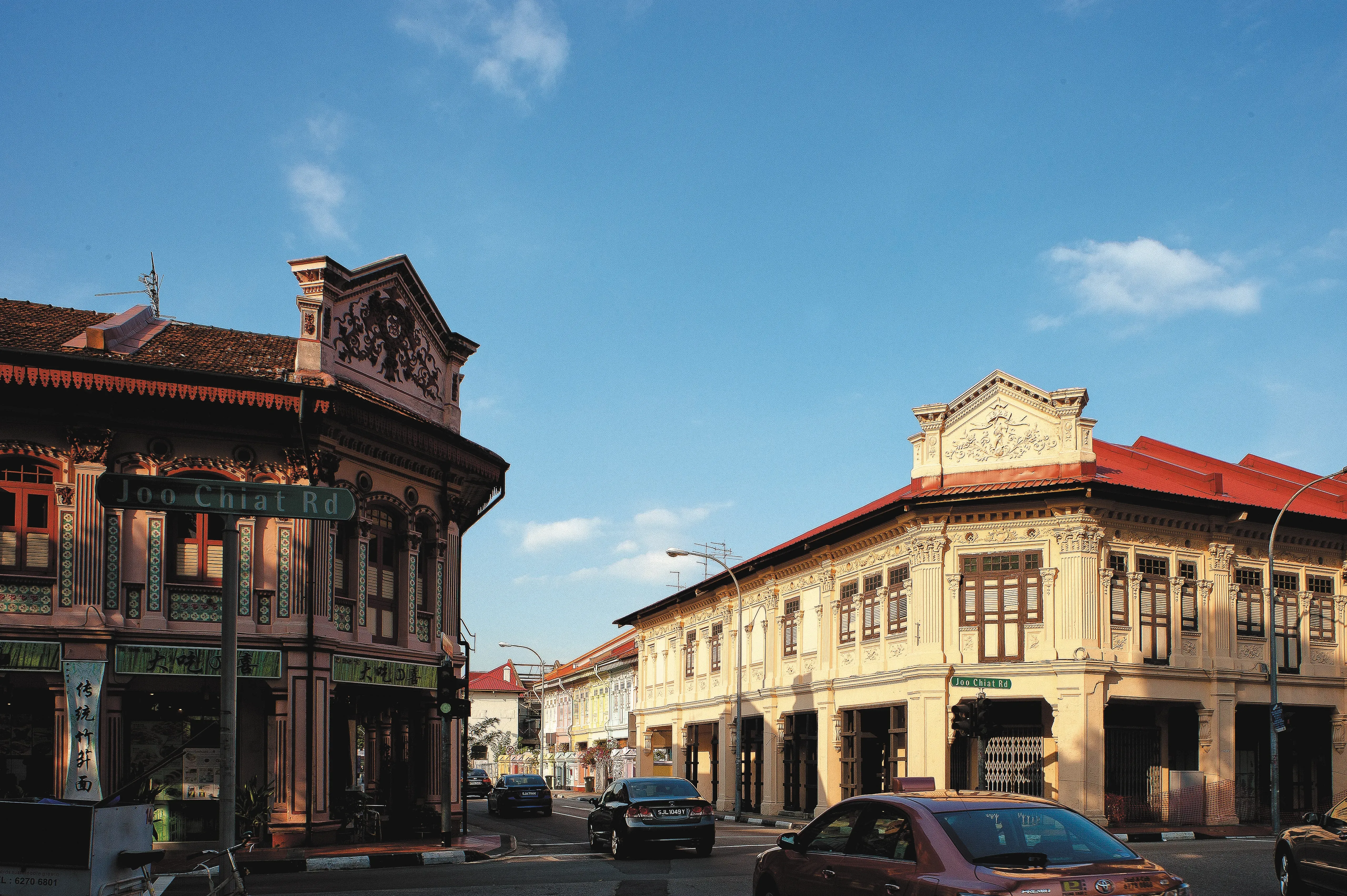
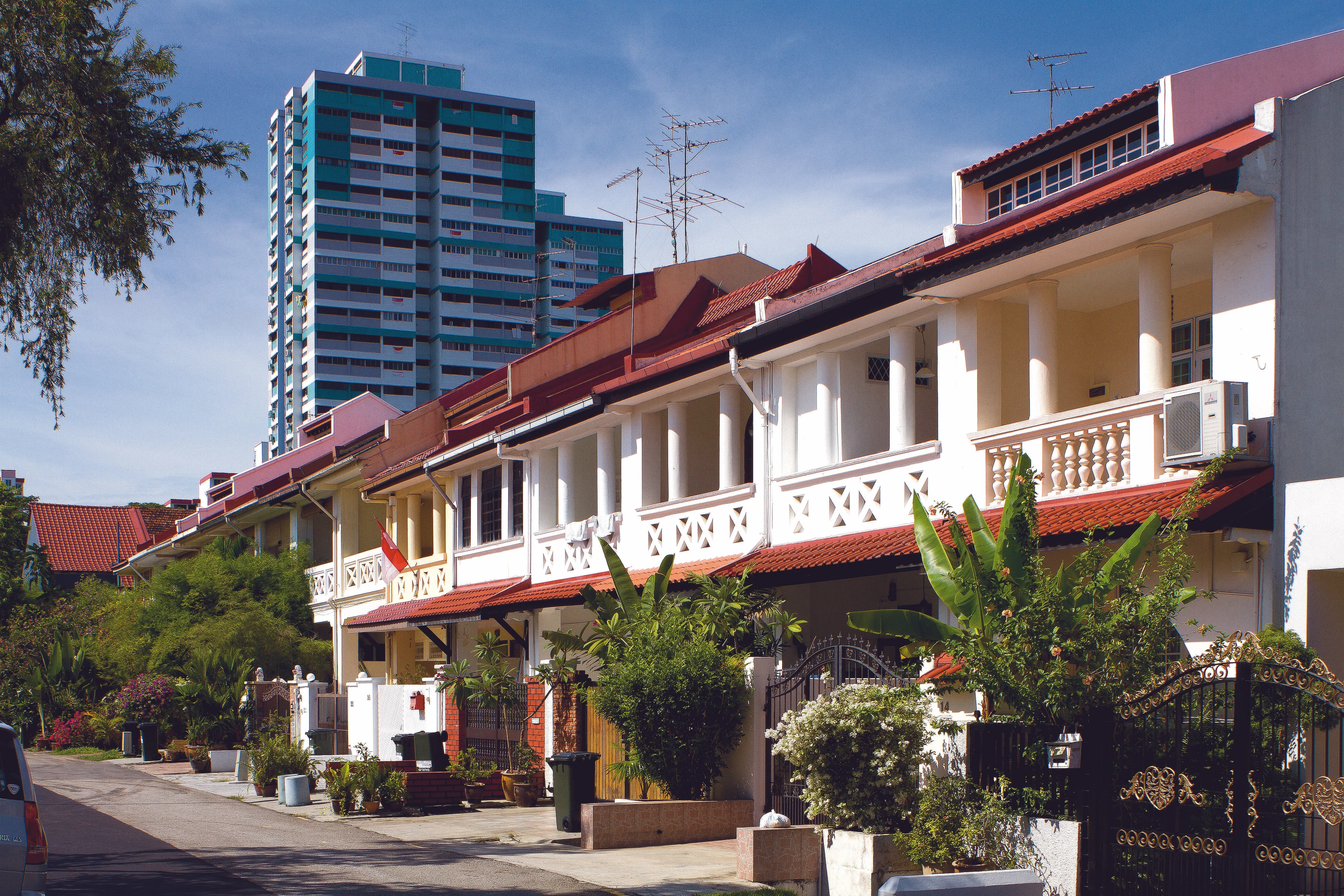
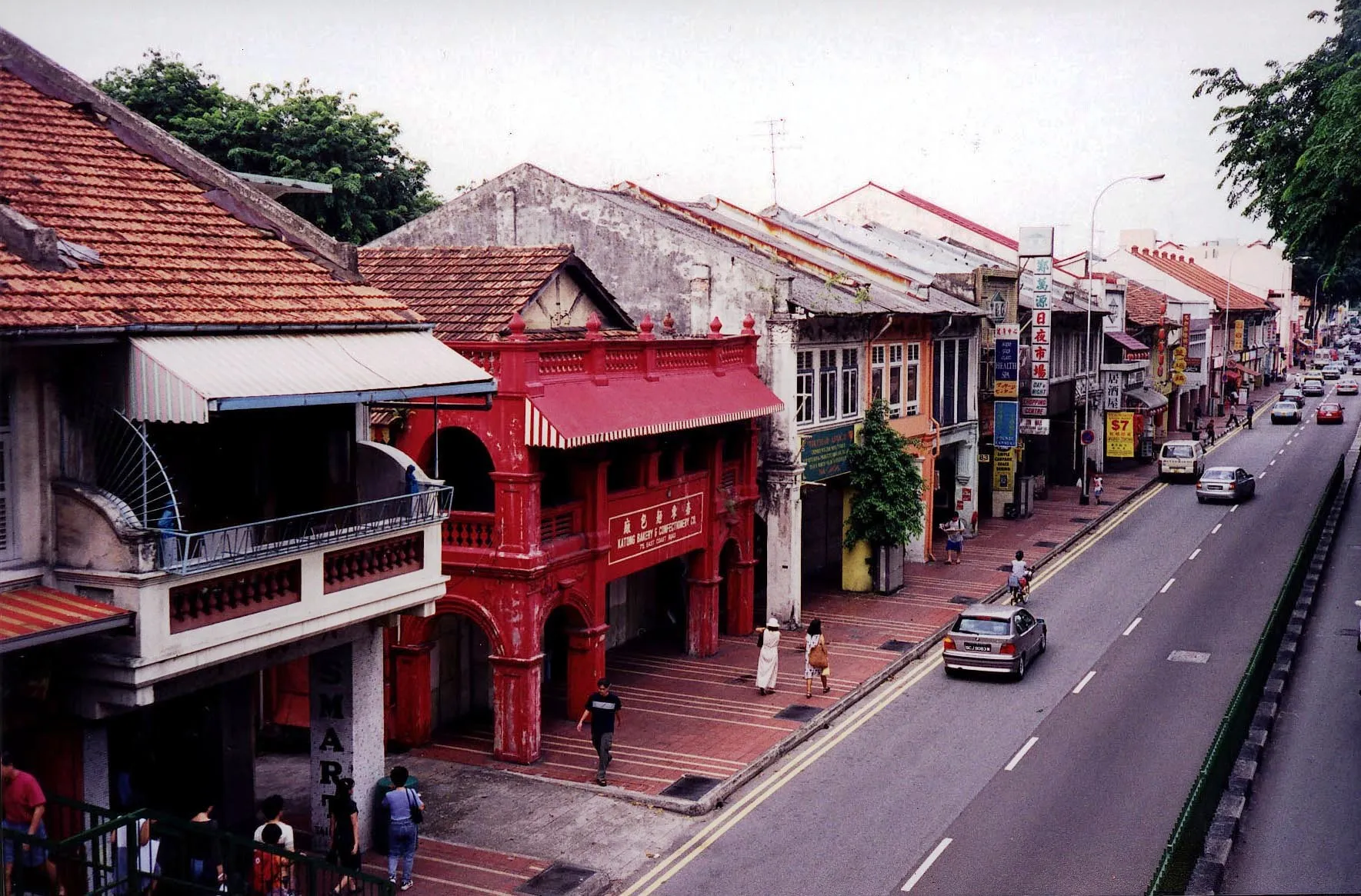
Located to the east of the island and stretching along Joo Chiat Road, East Coast Road and selected streets, the Joo Chiat Conservation Area was given conservation status on 23 July 1993. It contains mainly two-storey shophouses and terrace houses of the Transitional, Late and Art Deco styles, with buildings of the simple Modern style subsequently conserved on 1 December 2003.
The History
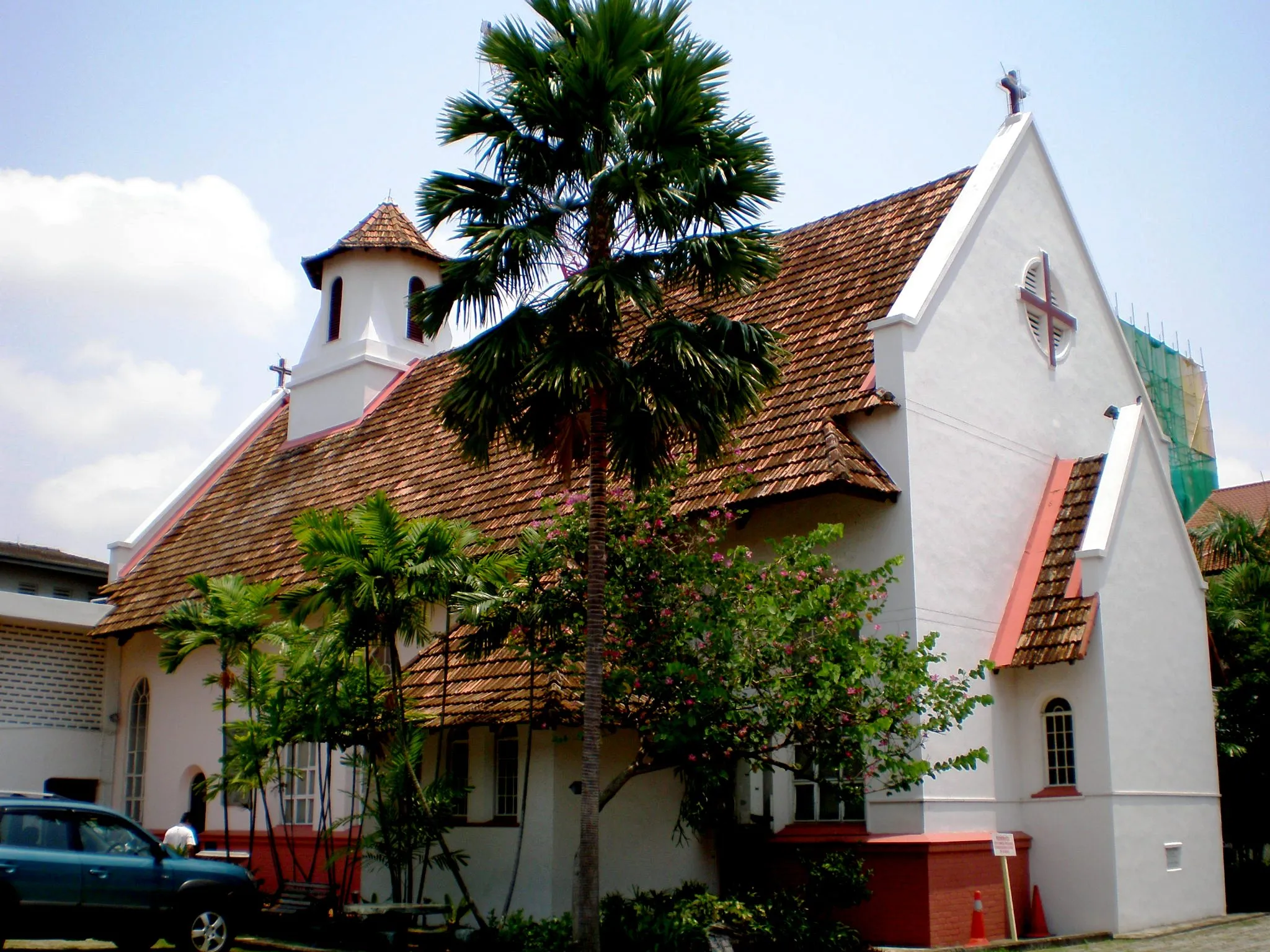
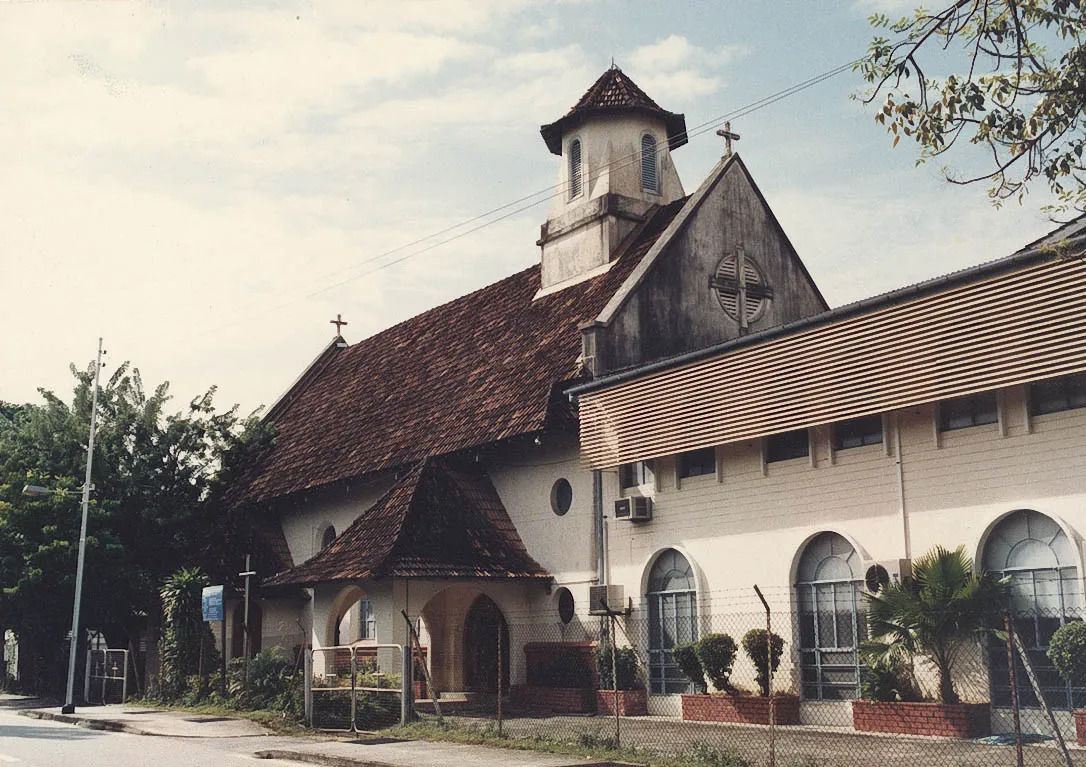
To further enhance the heritage character of the Joo Chiat area, additional buildings were conserved on 2 April, 18 September and 29 December 2009. These included significant shophouses and terrace houses, as well as bungalows at 25 Chapel Road — volunteered by the owners for conservation — 25 Still Road South and 37 Marine Parade. The main buildings of St. Hilda's Church and Bethesda (Katong) Church were also conserved during this period.
The Architecture
The area is characterised by mainly two-storey shophouses and terrace houses spanning the Transitional, Late and Art Deco styles, reflecting the architectural evolution of the area from the early to mid-20th century. Buildings of the simple Modern style add further variety to the architectural landscape of the conservation area.
The Legacy
The Joo Chiat Conservation Area stands as one of the most significant repositories of early 20th century architectural heritage in Singapore. The successive rounds of conservation — from the initial gazette in 1993 to the additional buildings conserved in 2003 and 2009 — reflect an ongoing commitment to preserving the area's rich built heritage, encompassing not just shophouses and terrace houses but also bungalows and places of worship that together tell the story of the area's diverse communities and history.
Guidelines and Procedures
Gallery
Resources
[1] The conservation guidelines for shophouses and bungalows will generally be applied by URA in the consideration of a development application. However, if the circumstances or planning considerations relevant to a case warrant it, URA may in its discretion decide to depart from these general guidelines. The guidelines, principles and illustrations found in the guidelines are not exhaustive in covering all possible site conditions and variations in building type. Persons intending to carry out a development are advised to take this into consideration and check with URA through enquiries or development applications to confirm if their proposals can be allowed.