
Conservation Area
Holland Park And Ridout Park Conservation Area
Applicable Guidelines
Bungalow Guidelines
Conservation Area
Holland Park And Ridout Park Conservation Area
Find out more about Holland Park And Ridout Park Conservation Area.
Important Information
All proposed works will need to comply with the Conservation Guidelines and the Specific Restoration Guidelines (SRG). Conservation Permission is required before all additions & alteration works and operations of new use can begin.
Owners, architects and engineers intending to carry out restoration works or development within conservation areas are required to comply with the conservation principles, planning parameters and restoration guidelines for conserved shophouse and bungalow building typologies, as well as planning parameters and envelope control guidelines for new buildings within conservation areas accordingly.
For other building types, which do not conform to the standard shophouse or bungalow typology, these will be evaluated on a case-by-case basis in accordance with conservation principles. [1]
About
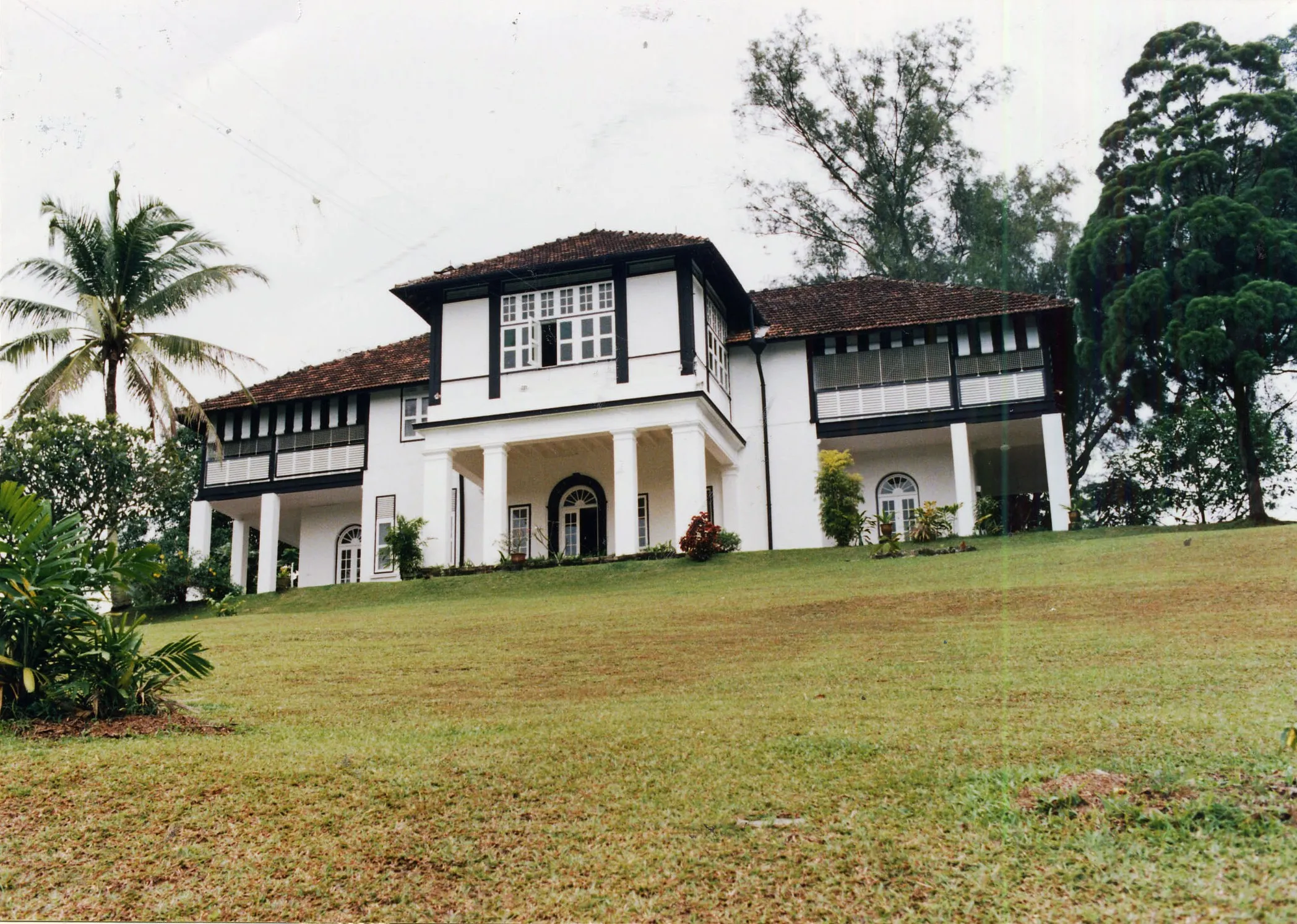
Bounded by Ridout Road, Peirce Road, Holland Road and Queensway, the Ridout Road/Holland Park conservation area consists of 27 conserved bungalows mainly of the Art Deco and Black and White Bungalow styles.
The History
The increased military presence in Singapore from the early 1920s onwards required that existing facilities be expanded in order to accommodate the growing number of military personnel stationed on the island. The Black and White style (as perfected by the architects of the Public Works Department (PWD) for civil servants) was again a natural choice as accommodation for officers. Ridout Road and Ridley Park, to the north and south of Tanglin Barracks respectively, were the earliest of the postwar military estates to be built in the ‘20s as married quarters for officers and their families.
Once a part of the Ulu Pandan Rubber Estate, the area still hosts a concentration of some of Singapore’s best surviving examples of colonial bungalows along Swettenham, Peirce, Ridout and Peel Roads.
The Architecture
Although the houses designed by the PWD before the First World War had looked back to the ‘plantation house’ designs of the 19th century, the influence on these postwar residences seem to have been more contemporary, namely that of the leading architectural practice at the time, Swan & Maclaren - visible in the asymmetric, compact plan, pared-down Classicism and absence of elaborate decorative detailing.
Swettenham Road was probably named after Sir Frank Swettenham who was Governor of the Straits Settlements and High Commissioner in 1901-1903.
Along Ridout Road, there are two houses designed by the notable architect Frank W. Brewer, who employed a distinctive style inspired by the Arts and Crafts movement in the tropical houses he designed during his 30 years in Singapore. His signature elements evident in the house of L.W. Geddes at Ridout Road are the exposed bricks and textured plasterwork.
The Legacy
These bungalows still dot the lush tropical landscape of Ridout Road/Holland Park, thriving examples of the unique fashion of colonial living in the tropics.
2 Peirce Road - This two-storey bungalow was thought to have been commissioned by the wealthy businessman, Ong Sam Leong, in 1911. Dilapidated beyond repair, the original tropical Tudor-bethan bungalow had to be skillfully rebuilt. The masterful reinstatement coupled with faithful restoration brought this residence, now the India House, to its former glory. This highly commendable and exacting restoration effort received the URA Architectural Heritage Award in 2009.
Gazetted on 29 November 1991 for conservation
Guidelines and Procedures
[1] The conservation guidelines for shophouses and bungalows will generally be applied by URA in the consideration of a development application. However, if the circumstances or planning considerations relevant to a case warrant it, URA may in its discretion decide to depart from these general guidelines. The guidelines, principles and illustrations found in the guidelines are not exhaustive in covering all possible site conditions and variations in building type. Persons intending to carry out a development are advised to take this into consideration and check with URA through enquiries or development applications to confirm if their proposals can be allowed.