
Conservation Area
Cantonment Road Conservation Area
Applicable Guidelines
Secondary Settlement Guidelines
Conservation Area
Cantonment Road Conservation Area
Find out more about Cantonment Road Conservation Area.
Important Information
All proposed works will need to comply with the Conservation Guidelines and the Specific Restoration Guidelines (SRG). Conservation Permission is required before all additions & alteration works and operations of new use can begin.
Owners, architects and engineers intending to carry out restoration works or development within conservation areas are required to comply with the conservation principles, planning parameters and restoration guidelines for conserved shophouse and bungalow building typologies, as well as planning parameters and envelope control guidelines for new buildings within conservation areas accordingly.
For other building types, which do not conform to the standard shophouse or bungalow typology, these will be evaluated on a case-by-case basis in accordance with conservation principles. [1]
About
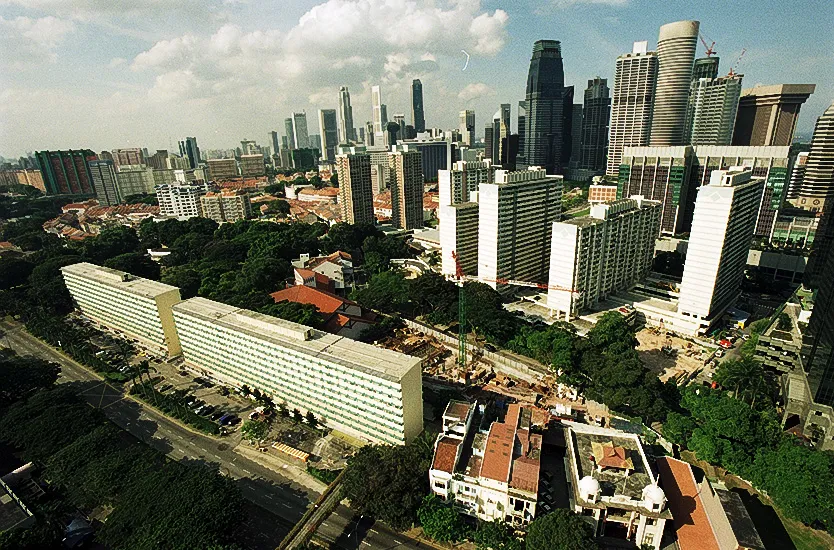
This group of buildings is located at the southern end of Cantonment Road and forms a cluster of heritage buildings that mark the entrance into the City Centre. The cluster, although small, has an interesting mix of building types.
The History
When Bengal troops first arrived in Singapore, the military garrison set up camp at the foot of the Fort Canning Hill. Later, they shifted to a site along Pearl's Hill, which was later known as Cantonment Road, after the troops’ cantonments. The Cantonese refer to the road as ba suo wei or pa so bue, meaning "end of Bukit Pasoh".
The Architecture
No.s 231, 233, 235 and 237
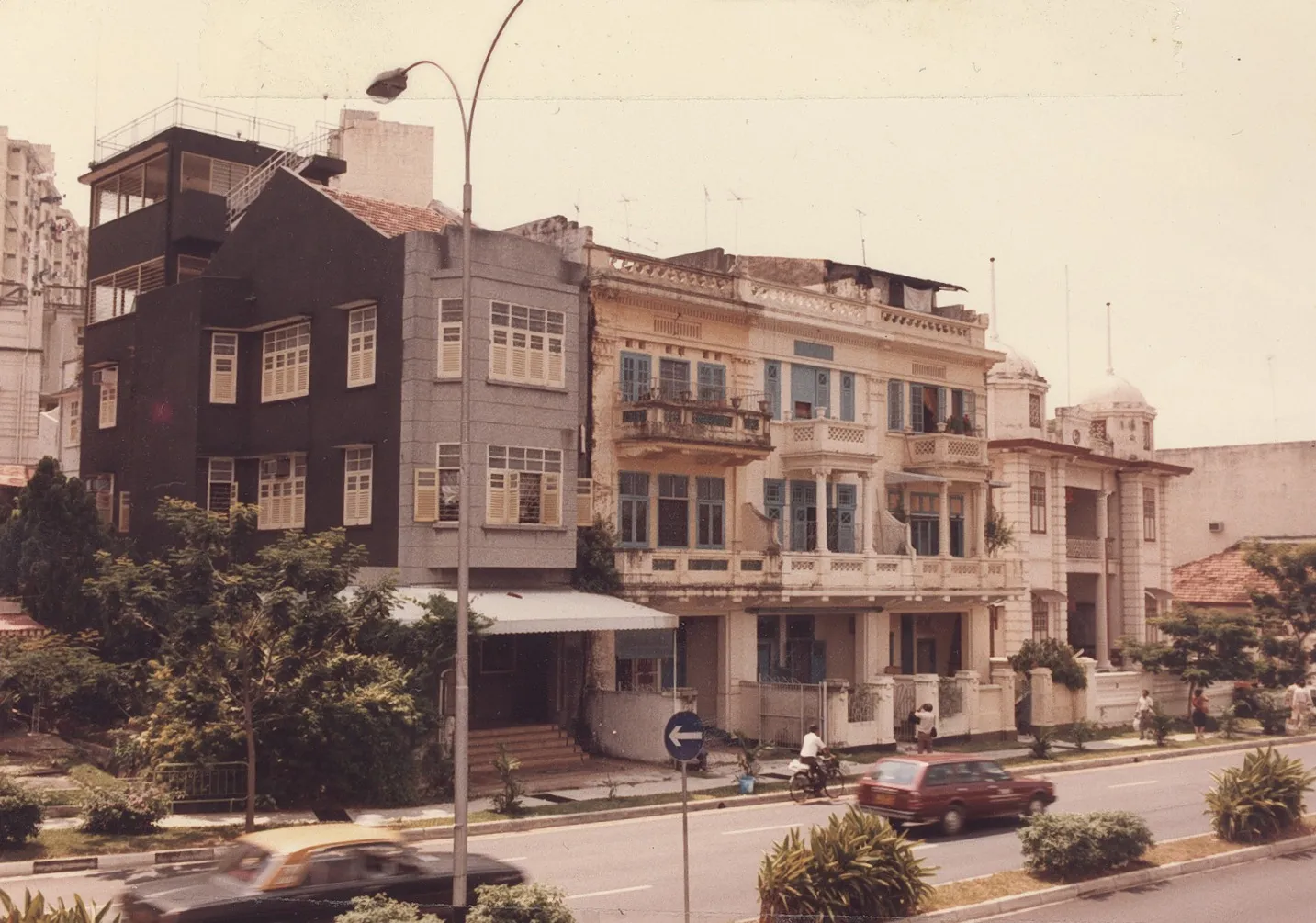
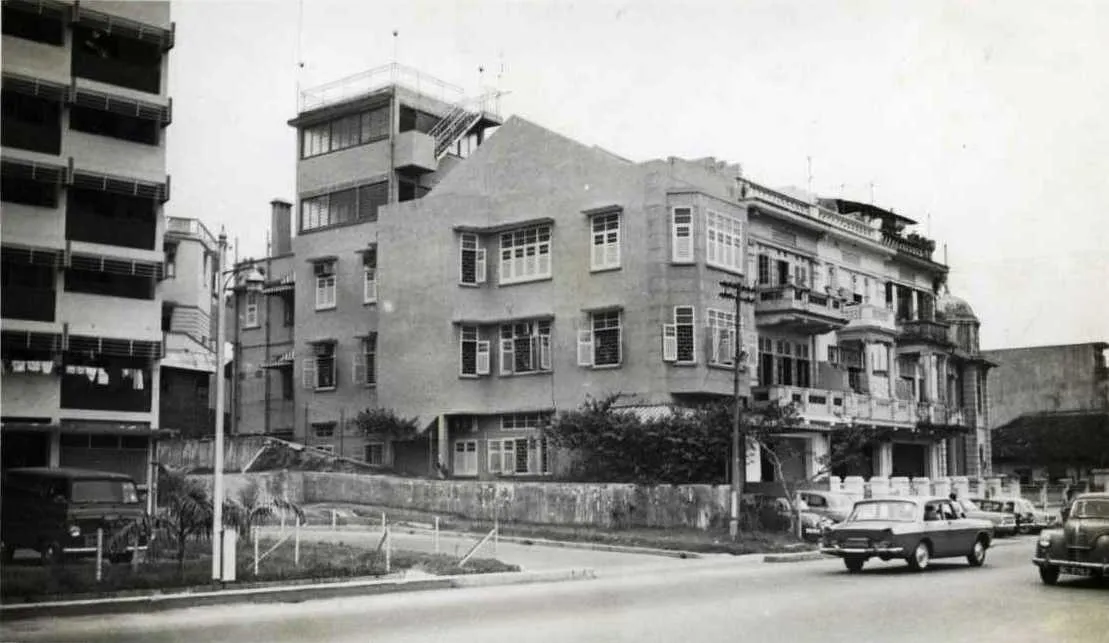
The corner terrace house at No. 231 is designed in the Art Deco style. Its architecture is distinguished by timber-framed panel-glass and timber-louvered bay windows. Nos. 233, 235 and 237 Cantonment Road, show marked influence of both Neo-Classical and Art Deco styles. They are characterised by protruding balconies with perforated windows and vents with simple geometric designs.
No. 239
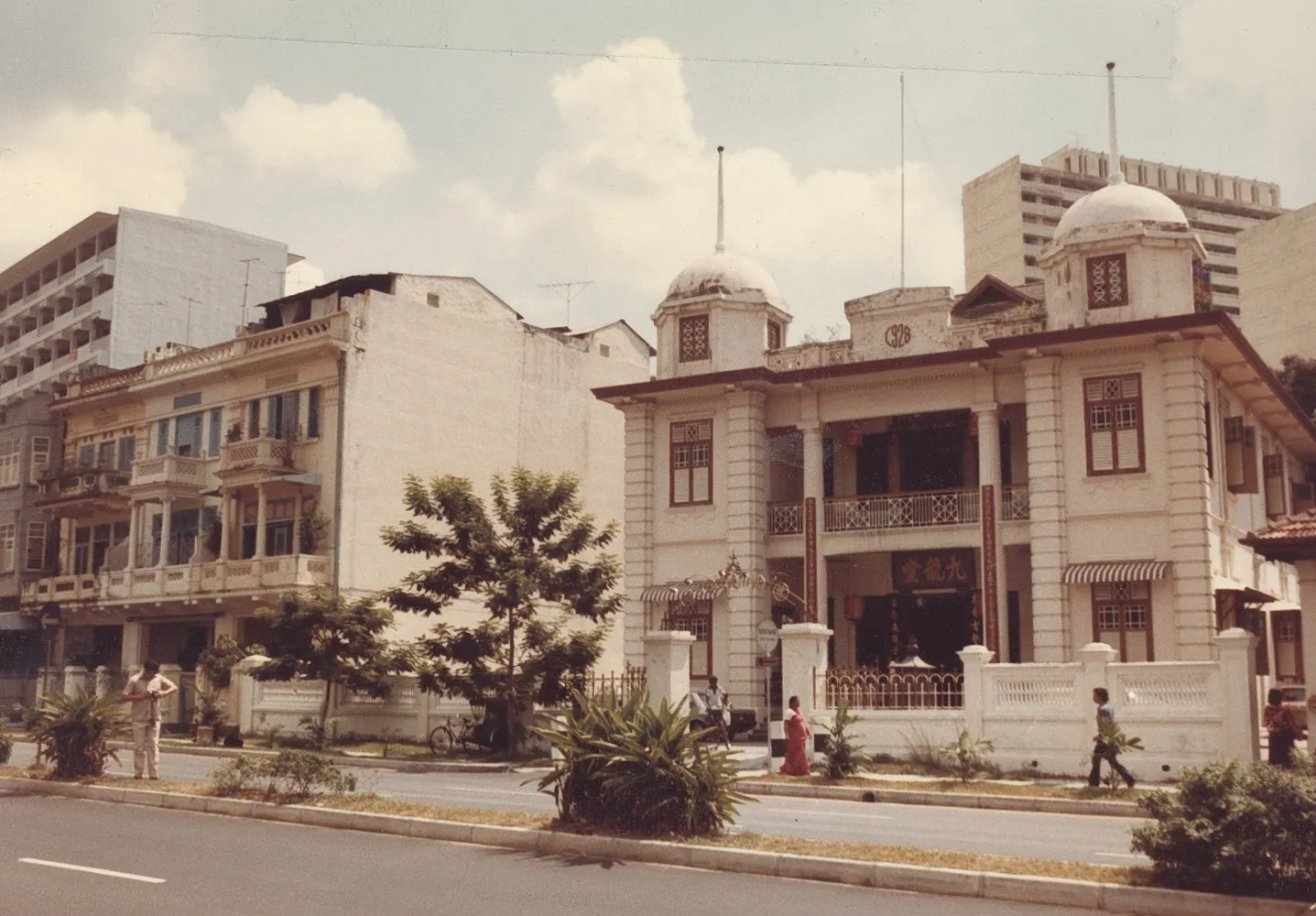
Designed in the Neo-Classical style, the 2-storey building is of masonry construction with a reinforced concrete slab roof. It houses the Lim Tai See Tai Chong Soo Kiu Leong Tang Clan Association, which was established by the Lim Clan from Guangdong and Fujian provinces. The building was originally erected in the early 1920s but in 1928, it underwent alteration and addition works.
The centre of the building is given emphasis by a feature roof pediment, complete with date inscription. The building is anchored by two wings at either side. These feature rusticated horizontal bands in the pilasters, and well-proportioned geometrical windows and fanlights in between, giving the building a rhythmic appearance. These two side wings culminate in elegantly-shaped octagonal domes.
No. 243
The 3-storey building is designed in the Modern style. The front façade is well-proportioned, with the upper facades composed with strong horizontal elements such as the concrete ledge, precast concrete vents and sill. The building features a flag post at the front.
The Legacy
Together, the conserved buildings at Cantonment Road contribute to the sense of place, and add texture and variety to the streetscape. The buildings were gazetted on 28 September 2005 (No. 235), 13 September 2007 (No. 233), and 6 May 2011 (Nos. 231, 237, 239 & 243).
Guidelines and Procedures
Gallery
[1] The conservation guidelines for shophouses and bungalows will generally be applied by URA in the consideration of a development application. However, if the circumstances or planning considerations relevant to a case warrant it, URA may in its discretion decide to depart from these general guidelines. The guidelines, principles and illustrations found in the guidelines are not exhaustive in covering all possible site conditions and variations in building type. Persons intending to carry out a development are advised to take this into consideration and check with URA through enquiries or development applications to confirm if their proposals can be allowed.