
Conservation Area
Cairnhill Conservation Area
Applicable Guidelines
Residential Historic District Guidelines
Conservation Area
Cairnhill Conservation Area
Find out more about Cairnhill Conservation Area.
Important Information
All proposed works will need to comply with the Conservation Guidelines and the Specific Restoration Guidelines (SRG). Conservation Permission is required before all additions & alteration works and operations of new use can begin.
Owners, architects and engineers intending to carry out restoration works or development within conservation areas are required to comply with the conservation principles, planning parameters and restoration guidelines for conserved shophouse and bungalow building typologies, as well as planning parameters and envelope control guidelines for new buildings within conservation areas accordingly.
For other building types, which do not conform to the standard shophouse or bungalow typology, these will be evaluated on a case-by-case basis in accordance with conservation principles. [1]
About
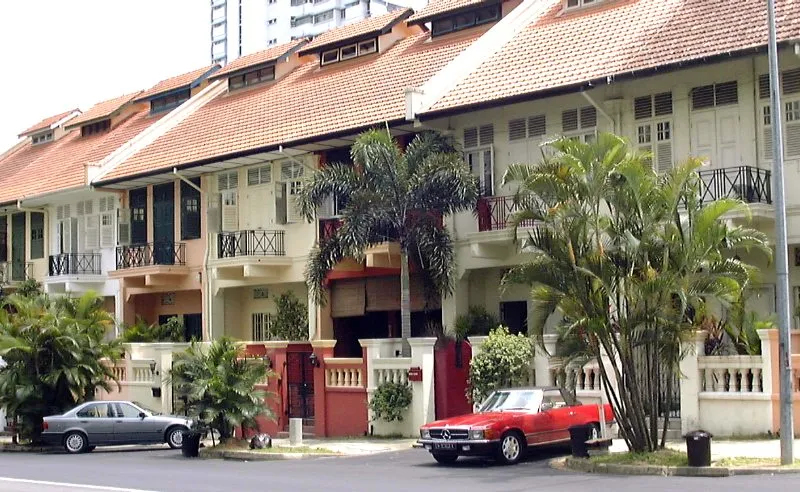
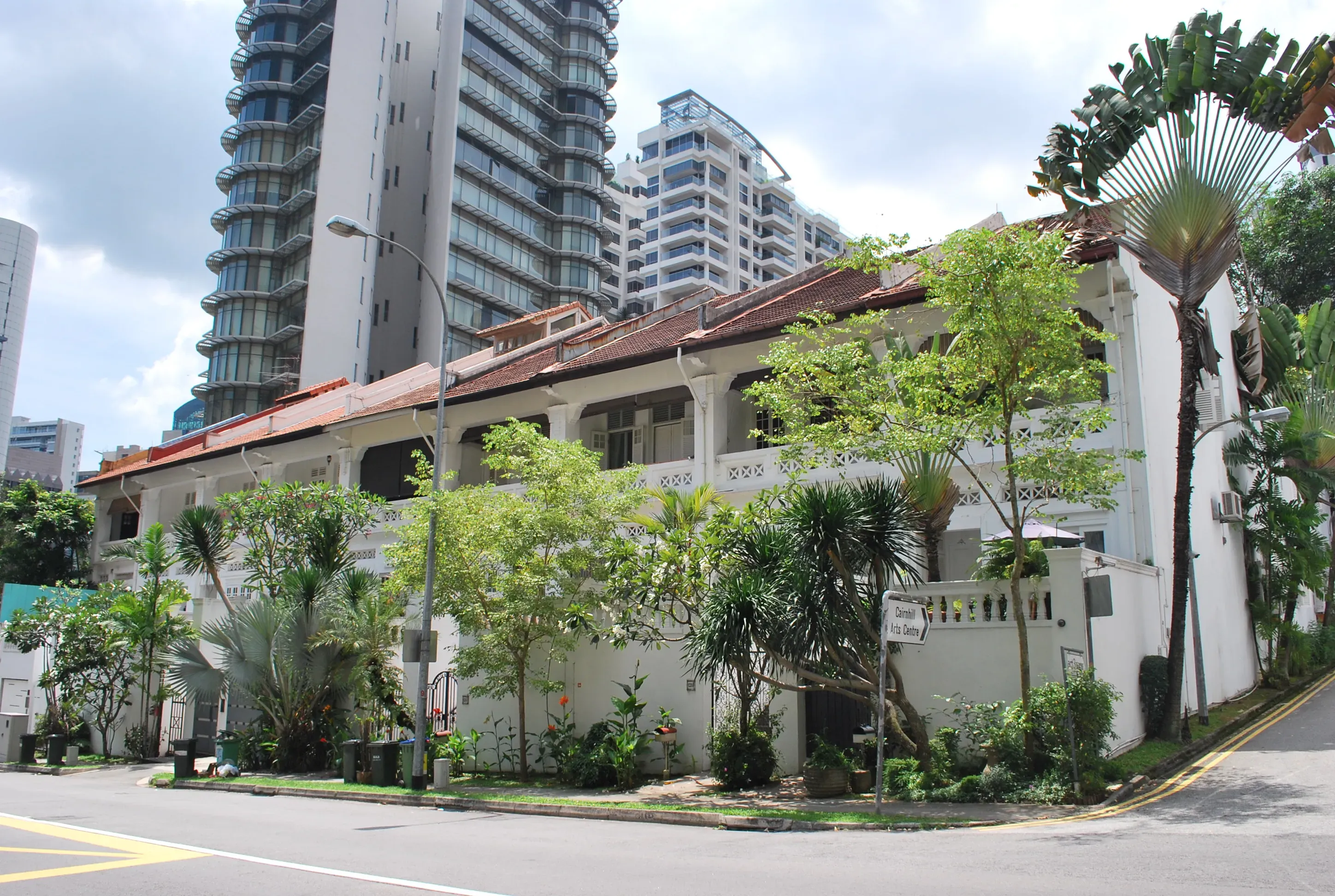
Cairnhill Conservation Area, which received conservation status on 7 July 1989, is characterised by a key stretch of mostly two-storey Late and Art Deco-styled terrace houses that have endured amid the redevelopment that claimed many of the area's large bungalows and mansions.
The History
Cairnhill, a former nutmeg plantation owned by Charles Carnie, developed from the turn of the 20th Century as an ideal location as a residential area for the wealthy.
The Architecture
This area’s terraces are particularly unique in many of them being raised above the road level, and accessible via a flight to steps to a raised terrace. Many units from the late 1910s and 1920s feature recessed upper storey verandahs and balustrades with geometric ventilation blocks or metalwork.
The Legacy
Cairnhill boasts a number of high-quality restoration projects that have won the URA Architectural Heritage Award.
128G Cairnhill Road
68 Cairnhill Road
128D Cairnhill Road
120 Cairnhill Road
90 Cairnhill Road
92 Cairnhill Road
Guidelines and Procedures
Apply for Specific Restoration Guidelines (SRG) (opens in new tab)
Use Guidelines and Submission Process for Buildings in Historic Conservation Areas
Gallery
[1] The conservation guidelines for shophouses and bungalows will generally be applied by URA in the consideration of a development application. However, if the circumstances or planning considerations relevant to a case warrant it, URA may in its discretion decide to depart from these general guidelines. The guidelines, principles and illustrations found in the guidelines are not exhaustive in covering all possible site conditions and variations in building type. Persons intending to carry out a development are advised to take this into consideration and check with URA through enquiries or development applications to confirm if their proposals can be allowed.