
Conservation Area
China Square Conservation Area
Applicable Guidelines
Historic District Guidelines
Conservation Area
China Square Conservation Area
Find out more about China Square Conservation Area.
Important Information
All proposed works will need to comply with the Conservation Guidelines and the Specific Restoration Guidelines (SRG). Conservation Permission is required before all additions & alteration works and operations of new use can begin.
Owners, architects and engineers intending to carry out restoration works or development within conservation areas are required to comply with the conservation principles, planning parameters and restoration guidelines for conserved shophouse and bungalow building typologies, as well as planning parameters and envelope control guidelines for new buildings within conservation areas accordingly.
For other building types, which do not conform to the standard shophouse or bungalow typology, these will be evaluated on a case-by-case basis in accordance with conservation principles. [1]
About
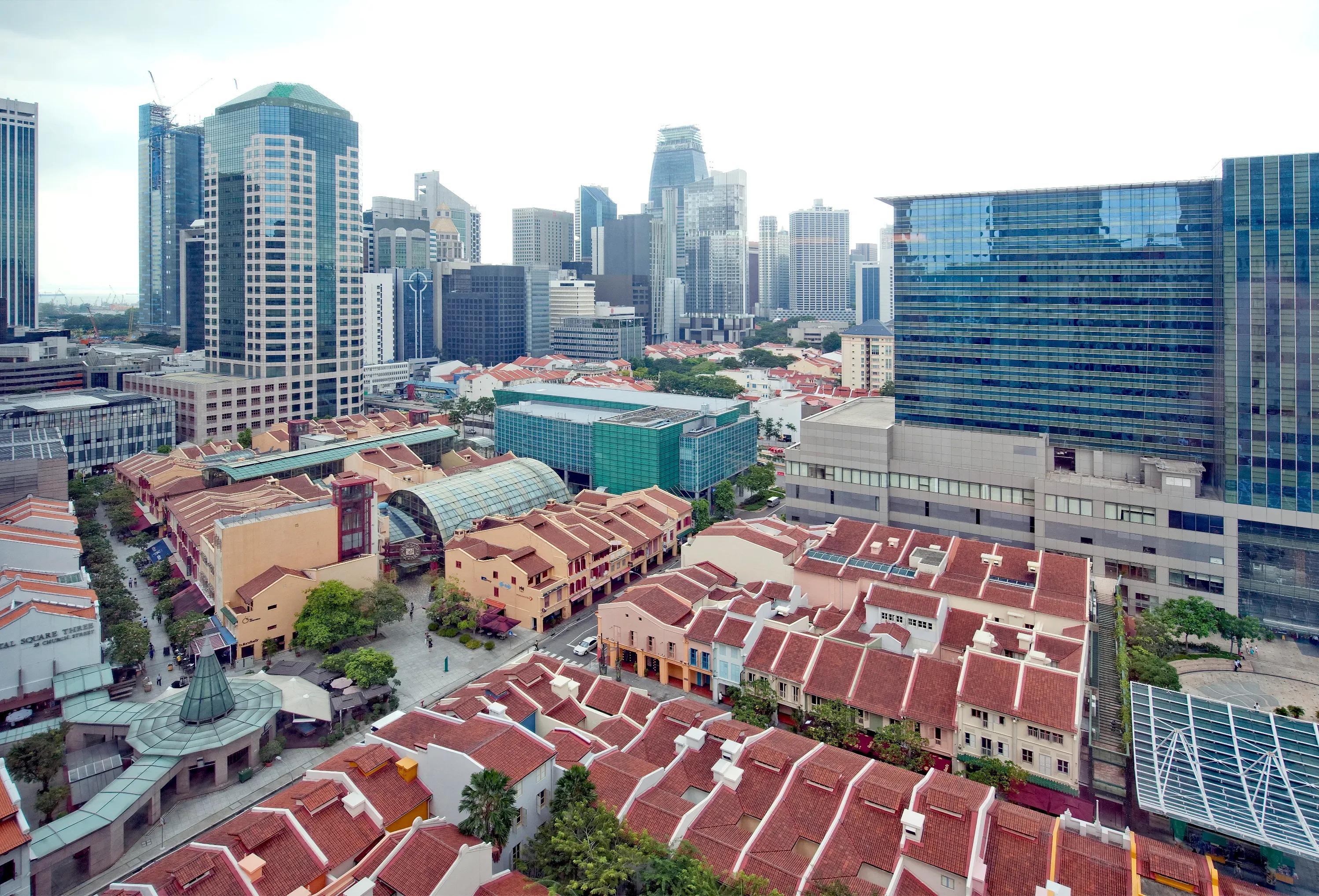
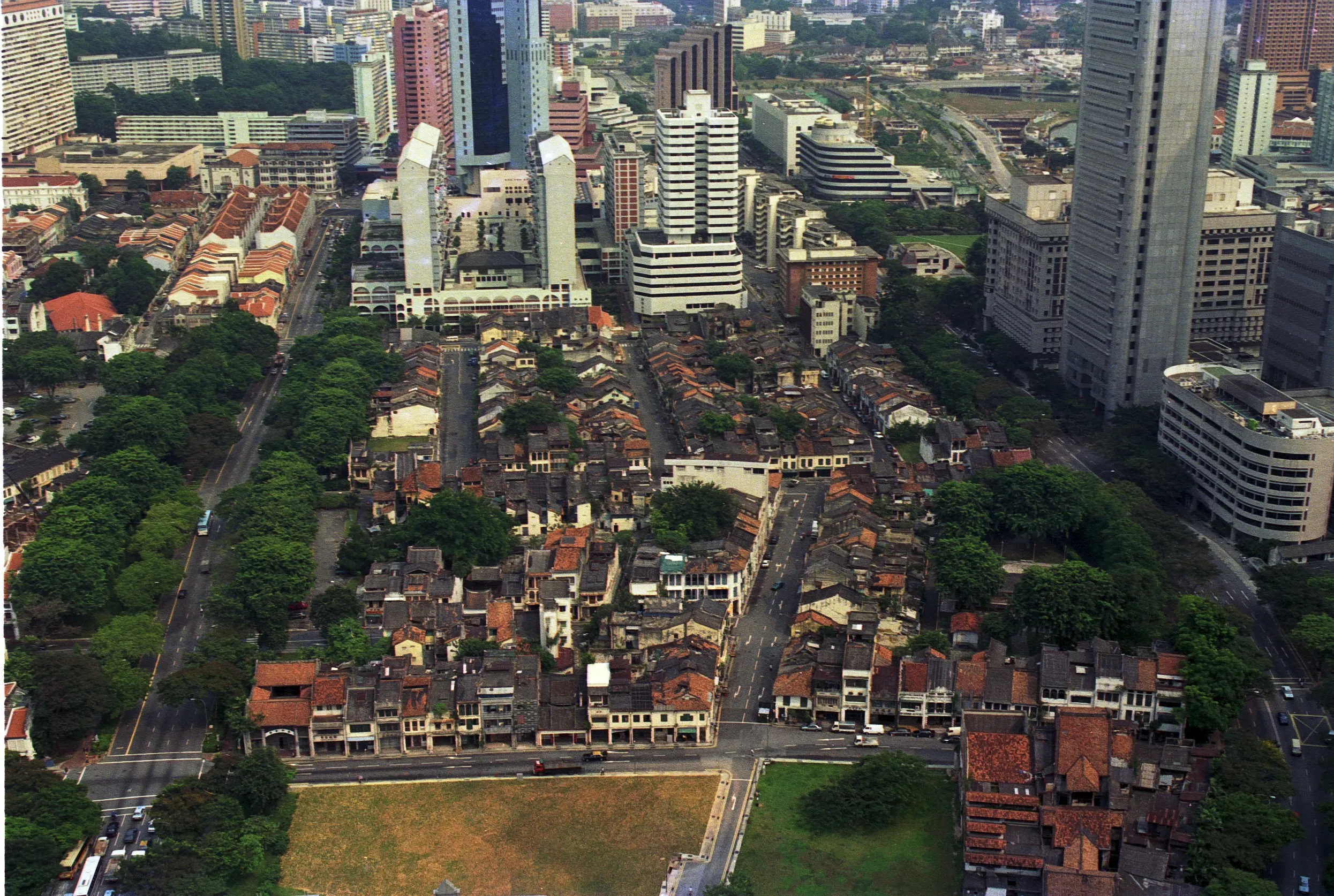
Located next to the Central Business District, China Square is a harmonious blend of old and new developments. Taller, modern buildings are interspersed with conservation shophouses along South Bridge Road, Hokkien Street, Nankin Street, Chin Chew Street, China Street, Pekin Street, Amoy Street and Telok Ayer Street. The area was gazetted for conservation on 18 January 1997.
The History
Located next to the Central Business District, China Square is a harmonious blend of old and new developments. Taller, modern buildings are interspersed with conservation shophouses along South Bridge Road, Hokkien Street, Nankin Street, Chin Chew Street, China Street, Pekin Street, Amoy Street and Telok Ayer Street. The area was gazetted for conservation on 18 January 1997.
The Architecture
The precinct’s shophouses are either two or three storeys tall, and range from the Transitional to the Art Deco styles and Early Modern styles, testifying to its growth over the past century.
Amongst the more notable buildings are the Fuk Tak Chi building, the former temple was restored in the 1998 redevelopment of part of the area and converted into Singapore’s first street museum. The termite-infested ceiling carvings at the entrance to the building were repaired with great care, and residents of Chinatown donated about 200 personal artefacts of old Chinatown for display.
The site also contains the original gateway of the former Chui Eng Free School at Amoy Street (established in 1854 by the Hokkien Huay Kuan, and endowed by Tan Kim Seng) which is one street behind the old shoreline of Telok Ayer Street, which was one of Singapore’s earliest Chinese Free Schools. The Hokkien-styled gateway was the entrance of the original school compound.
The Legacy
The overall China Square precinct is a successful example of optimising land use for modern business purposes while preserving the historical and architectural heritage of an area.
Guidelines and Procedures
Apply for Specific Restoration Guidelines (SRG) (opens in new tab)
Use Guidelines and Submission Process for Buildings in Historic Conservation Areas
Gallery
Resources
[1] The conservation guidelines for shophouses and bungalows will generally be applied by URA in the consideration of a development application. However, if the circumstances or planning considerations relevant to a case warrant it, URA may in its discretion decide to depart from these general guidelines. The guidelines, principles and illustrations found in the guidelines are not exhaustive in covering all possible site conditions and variations in building type. Persons intending to carry out a development are advised to take this into consideration and check with URA through enquiries or development applications to confirm if their proposals can be allowed.