
Conservation Area
Boat Quay Conservation Area
Applicable Guidelines
Historic District Guidelines
Conservation Area
Boat Quay Conservation Area
Find out more about Boat Quay Conservation Area.
Important Information
All proposed works will need to comply with the Conservation Guidelines and the Specific Restoration Guidelines (SRG). Conservation Permission is required before all additions & alteration works and operations of new use can begin.
Owners, architects and engineers intending to carry out restoration works or development within conservation areas are required to comply with the conservation principles, planning parameters and restoration guidelines for conserved shophouse and bungalow building typologies, as well as planning parameters and envelope control guidelines for new buildings within conservation areas accordingly.
For other building types, which do not conform to the standard shophouse or bungalow typology, these will be evaluated on a case-by-case basis in accordance with conservation principles. [1]
About
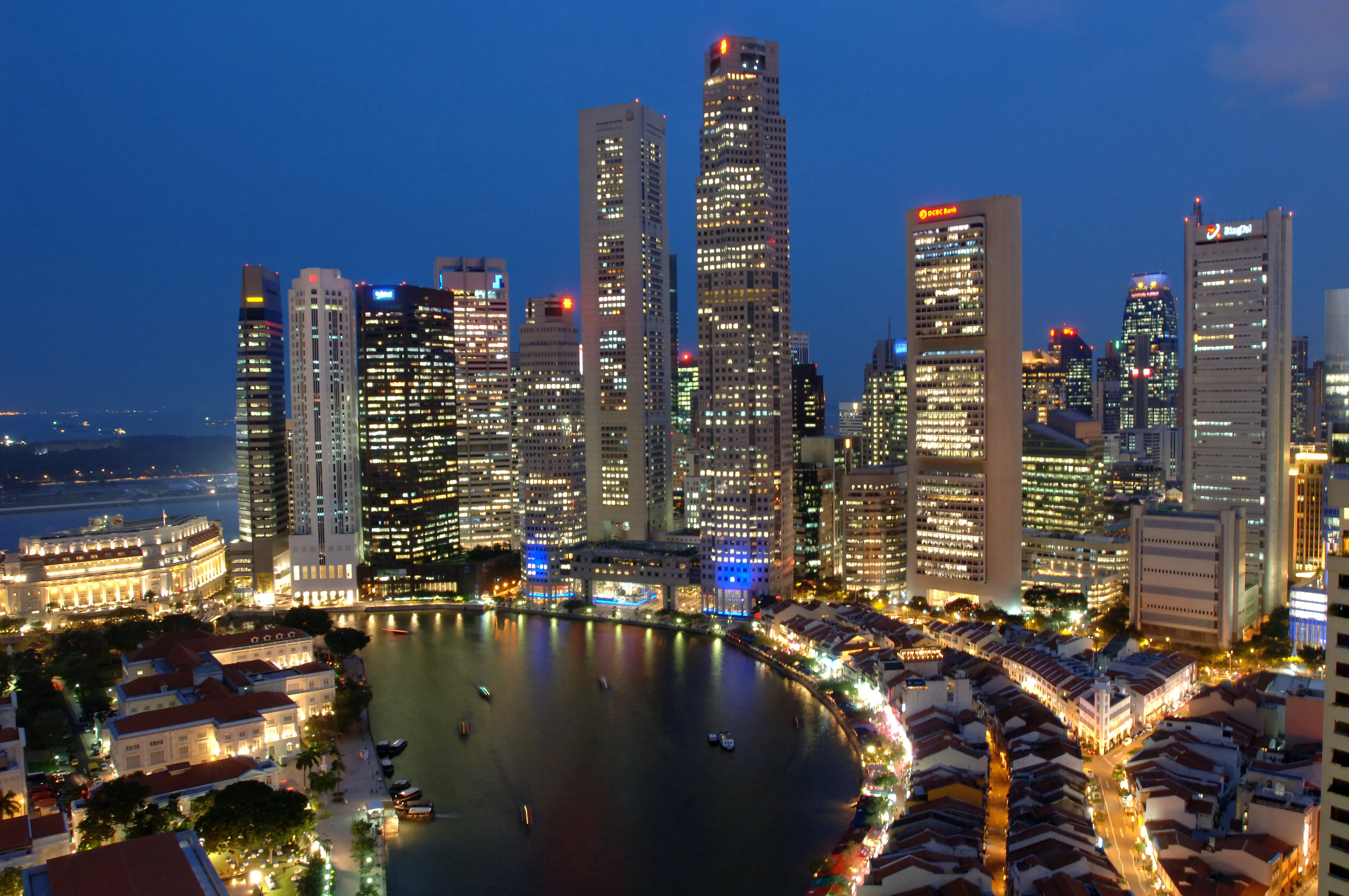
Boat Quay, now famous for its thriving nightlife, was once the centre of trading activities along the Singapore River. The area owes its unique charm and character to the warehouses and shophouses that line the river. It was gazetted for conservation on 7 July 1989.
The History
When Sir Stamford Raffles arrived in 1819, the Singapore River was flanked by dense mangrove swamps, only today’s Empress Place sat on solid ground. The Orang Laut or “Sea People” lived on floating settlements upriver while the Malays lived in wooden huts, with the house of the Temenggong or Chief of Security at the river mouth. In his 1822-23 Town Plan, Raffles designated the north bank for governmental use and the south bank for the Chinese and Chulia settlers.
In 1823, a hillock at Battery Road was levelled to create Commercial Square, renamed Raffles Place in 1858. The displaced earth was used to fill in the swampy south bank to create Boat Quay. The early merchants set up warehouses and offices here and built their own private jetties. Several prominent businessmen first established themselves at Boat Quay, including Alexander Laurie Johnston who founded Singapore's first European trading house in 1820.
Boat Quay grew rapidly and outpaced the developments on the northern bank, earning the accolade of “Tua Poh” which means “Greater Town” in Hokkien. Influential Chinese businessmen such as philanthropist Tan Tock Seng set up trading offices and godowns there. The Chinese called Boat Quay the “belly of the carp” because of its location and the shape of the river at this wide bend. Traditionally, the Chinese believe that good fortune resides in the fish’s belly.
Boat Quay’s Heyday
Singapore’s free port status led to the river’s rapid development upstream to Robertson Quay. Entrepôt trade was the country’s main enterprise, and nearly half of Singapore’s imports and a quarter of her exports was conducted at Boat Quay alone.
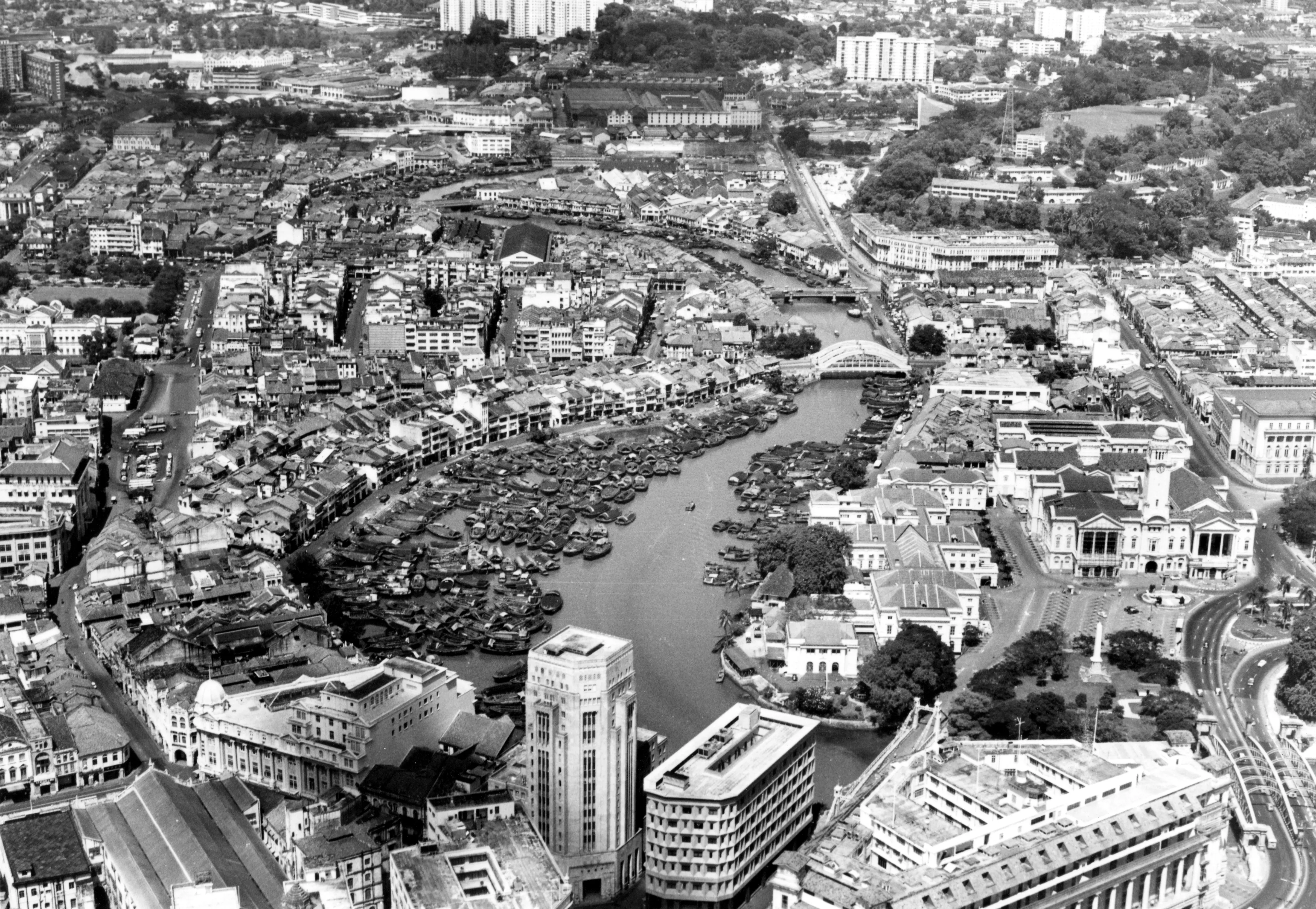
As the economy flourished, financial institutions were established along the River and in Commercial Square. A new harbour was built at Tanjong Pagar in 1852 to handle the increasing traffic, but Boat Quay still handled three-quarters of all shipping business in the 1860s. Shipping activities spawned related industries such as shipbuilding and repair, all of which competed for access to the River.
By 1890, more than 100,000 people were living and working along the banks of the Singapore River.
Decline and pollution
Mechanisation and computerisation after WW2 gradually usurped the role of the tongkangs, light wooden boats, in the shipping industry. Nearly a century later in September 1983, the Government opened a high-tech cargo centre in Pasir Panjang, which led to the rapid demise of Boat Quay's river trade.
Heavy use of the river for more than 150 years took its toll on the environment. Quayside activities were suspended for the Clean Rivers Project from 1977 to 1987, and by 1983 the last of the boats were moved to Pasir Panjang to facilitate the clean up of the river.
In 1986, URA decided to conserve the shophouses of Boat Quay as part of a master plan to conserve the architectural history and identity of the Singapore River and its physical environment.
The Architecture
Two types of buildings dominate Boat Quay’s landscape: shophouses and warehouses, known as “godowns”.
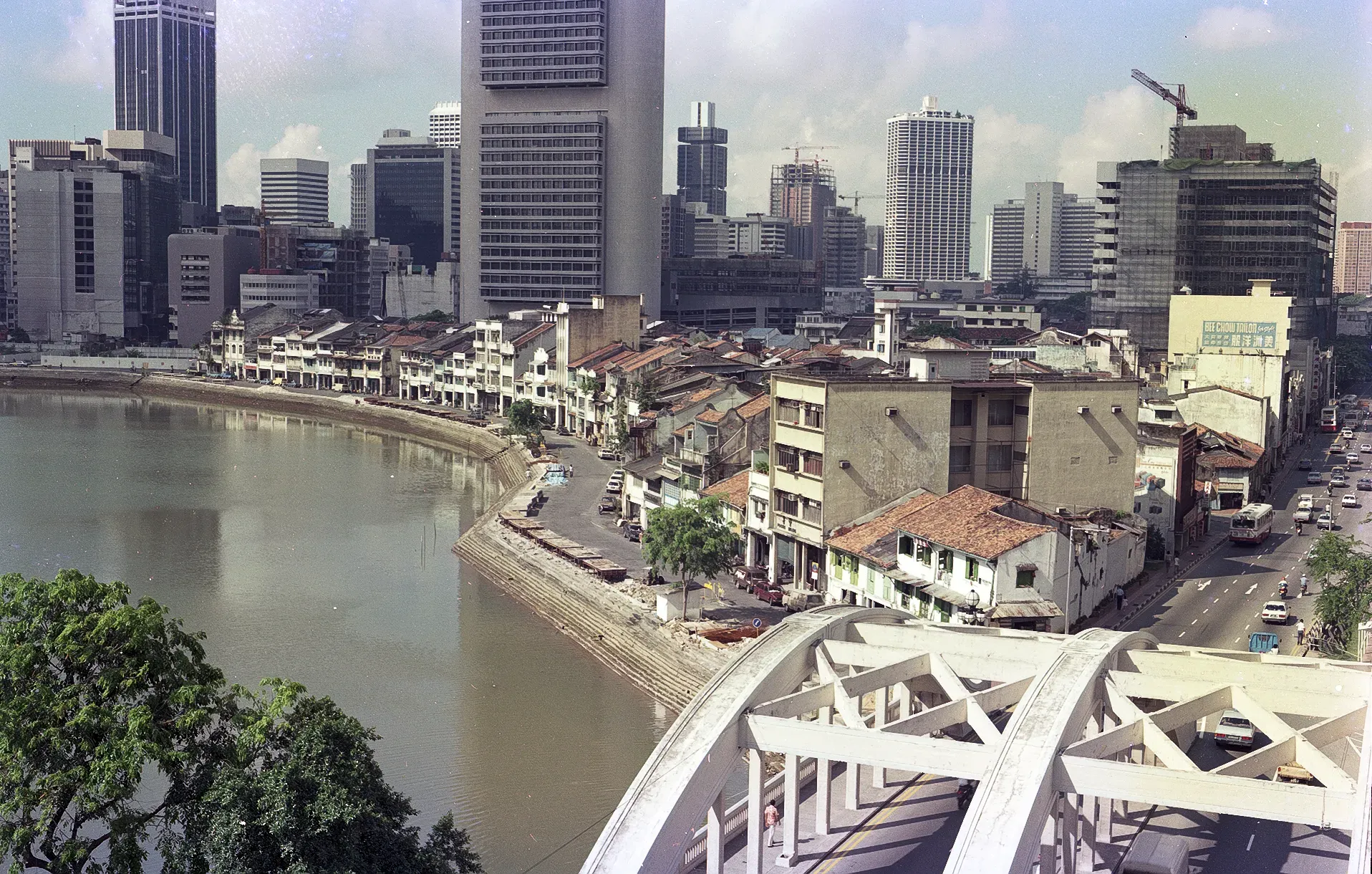
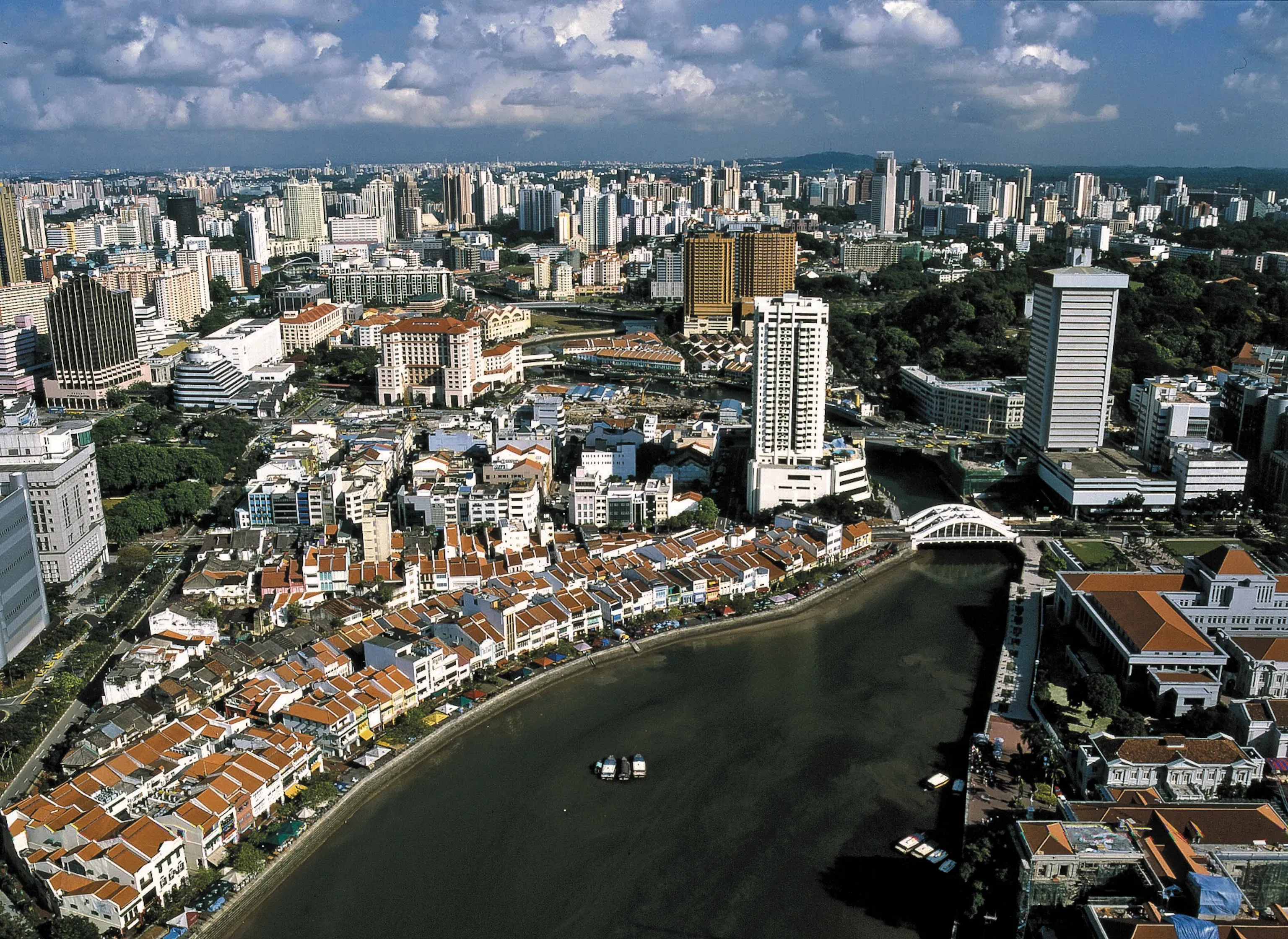
Shophouses, mainly of the Early, Transitional and Art Deco Shophouse styles, line the mid-river front along both north and south Boat Quay. Most of the 19th century shophouses at Boat Quay were two-storey buildings, built in continuous terraces, generally about 4 to 6 meters wide. The ground floors were used for business, while the upper floors were residential quarters for merchants or workers known as “coolies”. Several three-storey shophouses have verandahs on the top storey, reminiscent of European riverside residences with viewing galleries.
Over time, the design and facades of these shophouses incorporated Eastern and Western features —some elaborate, some simple. The variety of architectural styles within the same block reveals the changing influences over a period of time.
Early godown designs date back to the 1820s. They were big, well-ventilated, dry, clean and built for easy access to the tongkangs. Their designs also married Eastern and Western influences: double-storey Doric columns, rounded arches, tall windows, entablatures and Chinese roof tiles in Palladian symmetry.
The quays also adapted a feature of Chinese shophouse architecture — a one-foot wide solid granite edging to the five-foot-way corridor. Dating back to 1846, the river edges were finished in stone, while the rest of the promenade was paved with similar granite pieces imported from Fujian, China. In the late 1980s, the promenade was elevated by three quay steps to prevent flooding from the tide and storm water flow. The restoration of the river banks also retained the original 19th century granite steps. The opening of the Marina Barrage in 2008 at the river mouth has since stabilised the fluctuation in water levels due to tidal flows.
The Legacy
In 1989, Boat Quay was designated a conservation area, and restoration and rehabilitation transformed the area into a thriving entertainment and leisure hub.
Today, bumboats serve as river taxis for tourists, while restored shophouses facing the river are backed by modern skyscrapers, forming one of Singapore’s signature skylines.
Although the river is no longer the commercial lifeline of the country, Boat Quay is still a popular place for food, entertainment and an after-hours hangout for the working crowd at nearby Raffles Place. The businesses and financial houses along its banks embody Singapore’s prosperity, which was once dependent on the Singapore River.
They may no longer contribute to trade and maritime commerce, but the shophouses and warehouses of Boat Quay retain their beautiful facades and serve as reminders of the area’s rich history.
Guidelines and Procedures
Apply for Specific Restoration Guidelines (SRG) (opens in new tab)
Use Guidelines and Submission Process for Buildings in Historic Conservation Areas
Gallery
Resources
[1] The conservation guidelines for shophouses and bungalows will generally be applied by URA in the consideration of a development application. However, if the circumstances or planning considerations relevant to a case warrant it, URA may in its discretion decide to depart from these general guidelines. The guidelines, principles and illustrations found in the guidelines are not exhaustive in covering all possible site conditions and variations in building type. Persons intending to carry out a development are advised to take this into consideration and check with URA through enquiries or development applications to confirm if their proposals can be allowed.