
Conservation Area
Bukit Chermin Conservation Area
Applicable Guidelines
Bungalow Guidelines
Conservation Area
Bukit Chermin Conservation Area
Find out more about Bukit Chermin Conservation Area.
Important Information
All proposed works will need to comply with the Conservation Guidelines and the Specific Restoration Guidelines (SRG). Conservation Permission is required before all additions & alteration works and operations of new use can begin.
Owners, architects and engineers intending to carry out restoration works or development within conservation areas are required to comply with the conservation principles, planning parameters and restoration guidelines for conserved shophouse and bungalow building typologies, as well as planning parameters and envelope control guidelines for new buildings within conservation areas accordingly.
For other building types, which do not conform to the standard shophouse or bungalow typology, these will be evaluated on a case-by-case basis in accordance with conservation principles. [1]
About
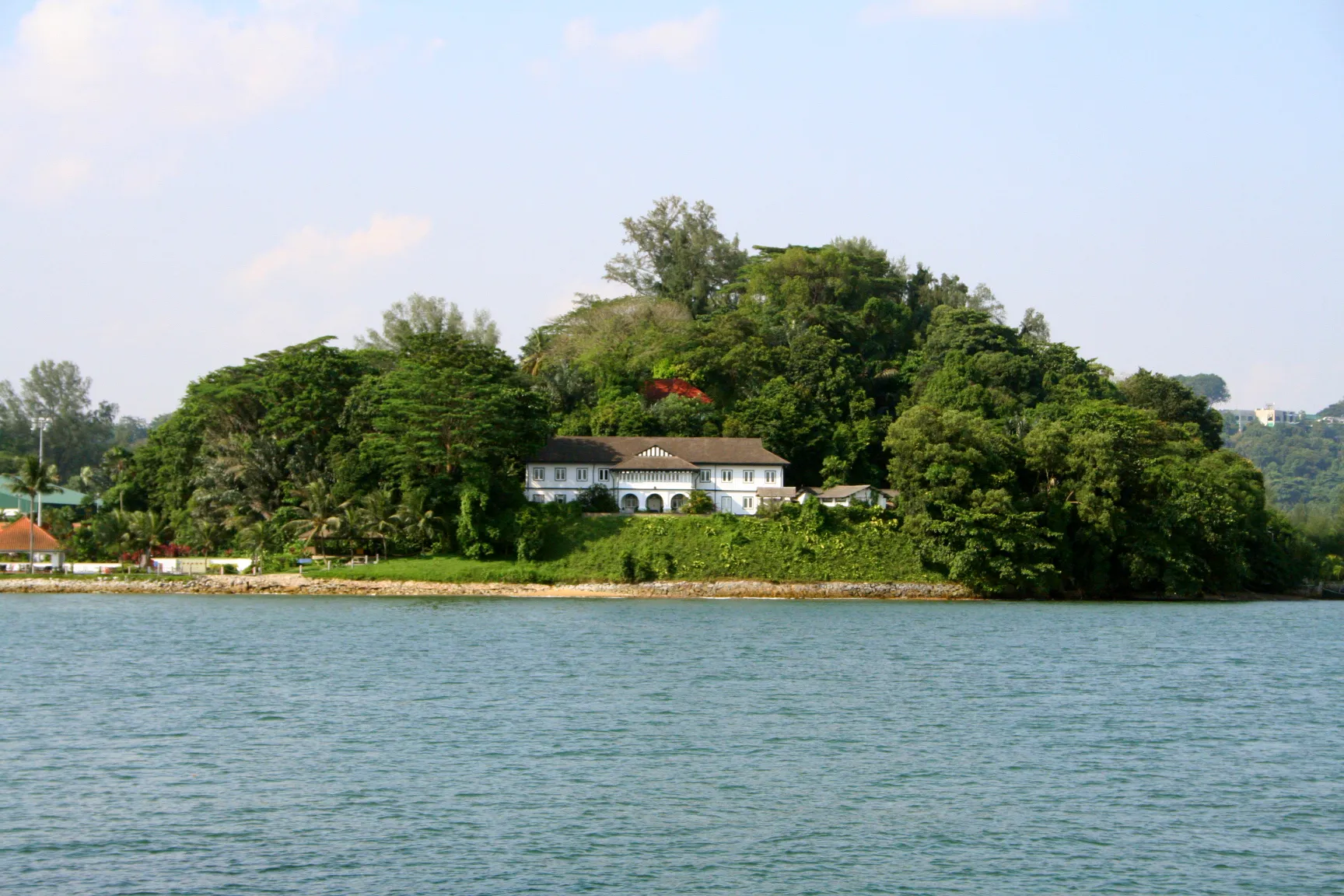
The bungalows on Bukit Chermin belong to a very specific period of the "Black & White", or Tropical Mock Tudor, house — a style that emerged rapidly in the early 1900s and disappeared equally swiftly in the 1940s, representing a unique architectural phase in the history of Singapore.
The Architecture
House Nos. 20, 22 and 24 are typical of Black & White houses built by the colonial government in the early 1900s. They feature a masonry base that elevates the house from the tropical damp, with the rest of the structure built in half-timbered construction. The resultant architectural language is a clear and honest aesthetic expressed through red brick columns, black timber secondary structure, and white plaster infills and windows.
Guidelines and Procedures
[1] The conservation guidelines for shophouses and bungalows will generally be applied by URA in the consideration of a development application. However, if the circumstances or planning considerations relevant to a case warrant it, URA may in its discretion decide to depart from these general guidelines. The guidelines, principles and illustrations found in the guidelines are not exhaustive in covering all possible site conditions and variations in building type. Persons intending to carry out a development are advised to take this into consideration and check with URA through enquiries or development applications to confirm if their proposals can be allowed.