
About Place Management
Learn more about how place management makes Singapore more liveable and distinctive, and the evolution of our placemaking efforts.
Last updated on 4 September 2026
What is place management?
Place management is a coordinated, multi-stakeholder approach to make places better. Through proactive placemaking, place marketing and place maintenance efforts, such as improving infrastructure, organising events, and engaging the community, place management transforms familiar spaces into delightful destinations for all to enjoy.
Why is it important?
Place management efforts have helped to activate and promote local areas and improve their physical realm. It has also enhanced the area’s heritage, identity, and culture and built up good social networks. Place management is especially empowering when shaped by the local communities who use the space.
URA's placemaking book: How to make a great place
Learn more about the evolution of Singapore's placemaking efforts through the lens of individuals, designers, architects and precinct stakeholders.
Evolution of URA’s place management journey
Placemaking efforts in Singapore have gained momentum over the last few decades from the coordination of placemaking efforts at Marina Bay in the early 2000s, to a more sustainable stakeholder-led placemaking model that exists in multiple districts today. Here’s a look at our placemaking milestones through the years.
Summary of the timeline:
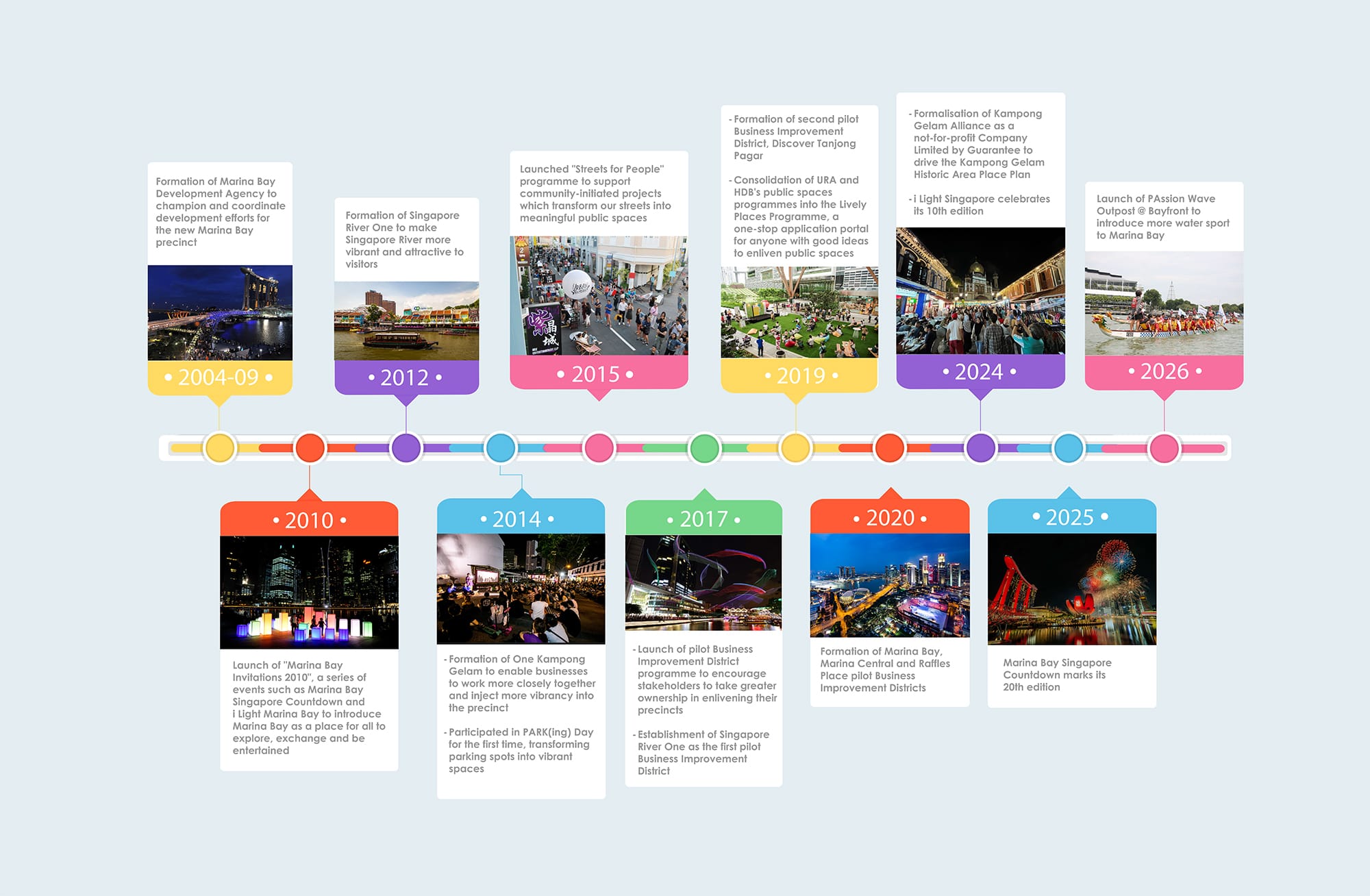
Download the high-res [PDF, 764 KB]. (opens in new tab)
2004 - 2009
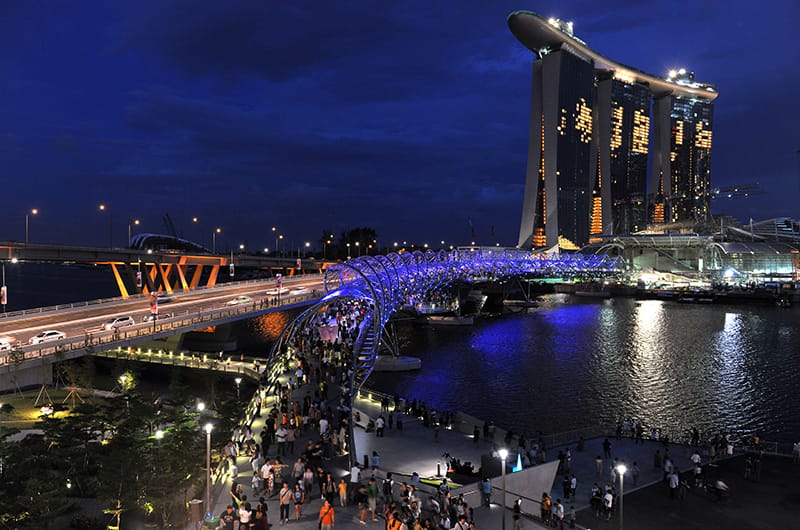
Place management was brought to focus with the planning and development of Marina Bay, one of Singapore’s most exciting and ambitious urban transformation projects. Given the importance of Marina Bay, the government formally appointed URA in 2004 as the agency to champion and coordinate development efforts for the new precinct.
URA set up the Marina Bay Development Agency (MBDA) that same year to drive place management efforts in Marina Bay and achieve the vision of the area as a distinctive business and financial hub, a delightful home in the city and a dynamic playground brimming with round-the-clock energy and vibrant activities for people from all walks of life.
2010 - 2012
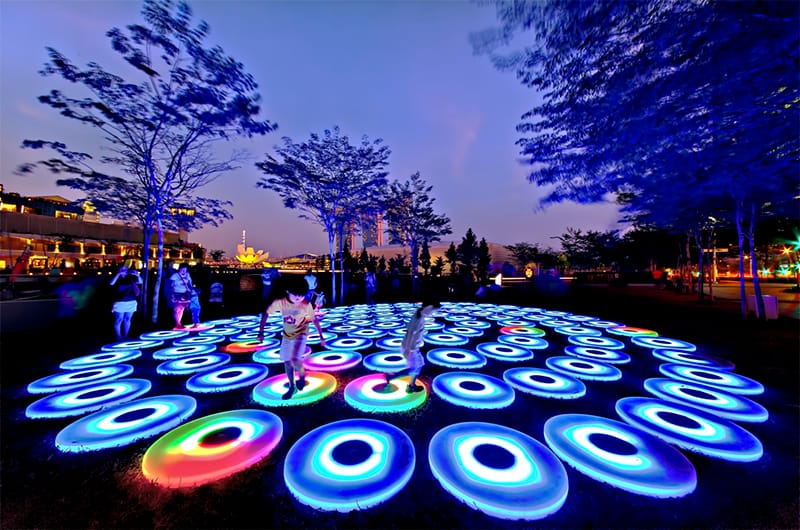
Photo: Thomas Phoon
URA lined up a series of events in 2010 to mark the completion of key developments in Marina Bay and introduce the precinct as a new destination for all to explore, exchange and be entertained. Themed “Marina Bay Invitations 2010”, the exciting programmes featured two signature events, the Marina Bay Singapore Countdown (opens in new tab) and i Light Marina Bay (today known as i Light Singapore (opens in new tab)).
To better reflect its wider functions in implementing place management across precincts, the MBDA was renamed the Place Management Department (PMD) in 2011.
A business consultancy plan was also commissioned for Singapore River to guide its development in a structured and sustainable manner. This served to enhance business viability and social vibrancy of the area. Singapore River One (SRO) (opens in new tab), a private sector-led entity, was formally incorporated in 2012 with the mission of making Singapore River more vibrant and attractive to visitors.
2013 - 2014
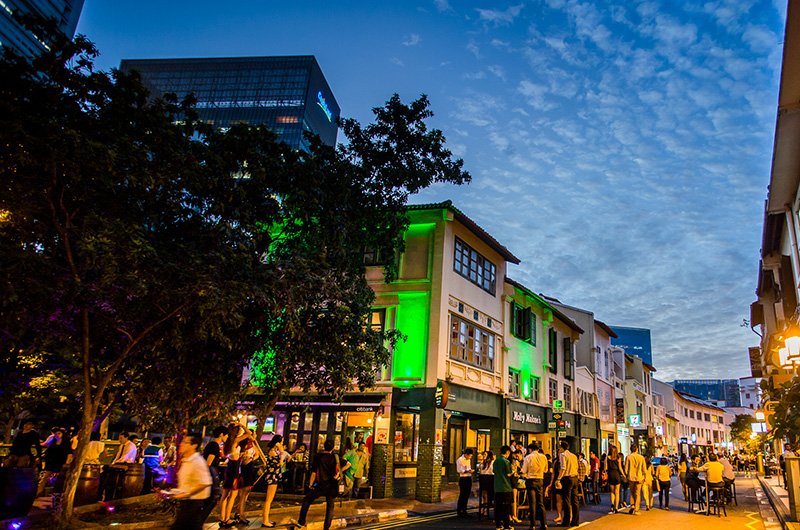
2013 saw the formation of the Kampong Gelam Work Group consisting of key stakeholders in Kampong Gelam, to discuss issues relating to the precinct. In 2014, the One Kampong Gelam association was officially formed to enable businesses there to work more closely together, assist members in liaising with the respective agencies, and inject more vibrancy into Kampong Gelam.
As part of the Draft Master Plan 2013, URA announced the launch of PubliCity, an initiative that aims to involve the community in enlivening public spaces through good design and programmes. It was later renamed “Our Favourite Place” and continued to support community-led activations of public spaces.
To showcase the possibilities of activating spaces normally reserved for cars, the first regular road closure was organised at Club Street in 2013. Following its success in bringing vibrancy to precincts, other regular road closures were also piloted at places such as Kampong Gelam and Singapore River. These have generated positive outcomes such as additional footfall and bringing the community together.
2014 - 2016
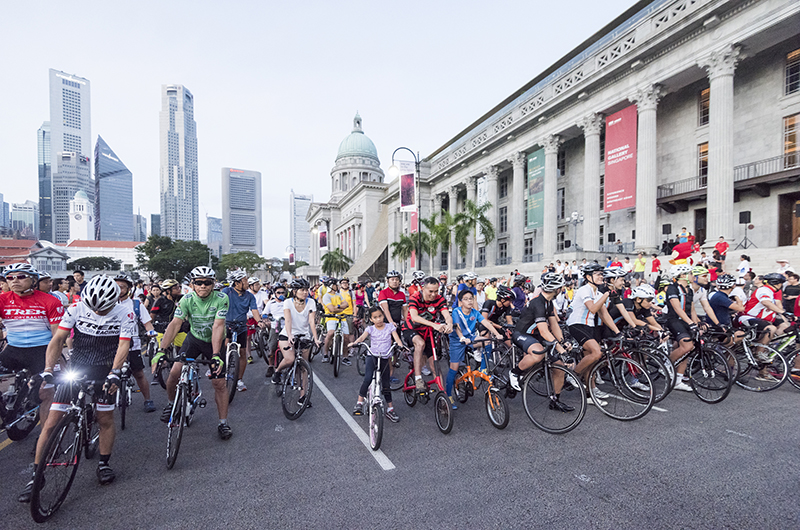
In 2014, URA participated in PARK(ing) Day, a worldwide event where community members transform parking spots into vibrant public spaces (also known as “PARKs”). The Singapore edition saw a total of 52 participating PARKs that year.
In 2015, “Streets for People” was launched to support community-initiated projects which transform our streets into meaningful public spaces, such as through street closures. The following year, URA launched the inaugural Car-Free Sunday SG with other government agencies and with support from a host of community and interest groups to promote a car-lite vision and to enliven the streets.
2017 - 2019
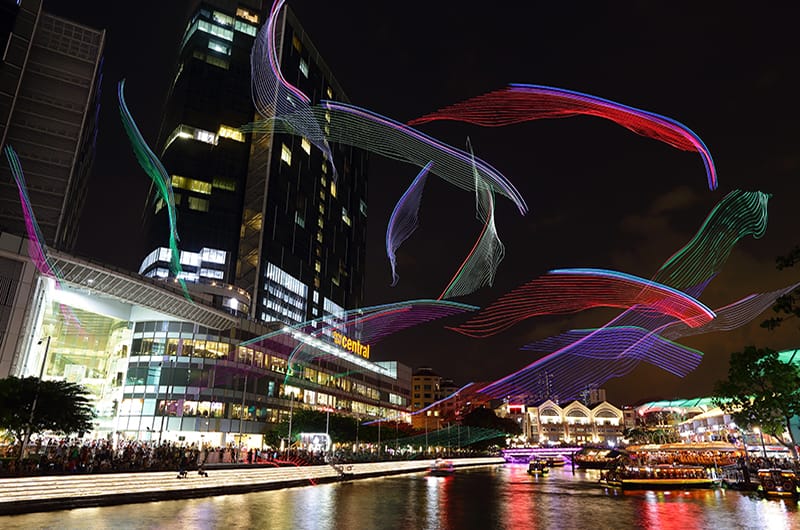
Photo: Singapore River One
The pilot Business Improvement District (BID) programme was launched in September 2017 to encourage stakeholders to take greater ownership in enlivening their precincts. The programme models the parameters of a BID, a formalised and self-sustaining place management framework led by the private sector. Following the successful implementation of Singapore River One as the first pilot BID in 2017, other new precincts expressed their interest to form pilot BIDs.
In 2019, the Tanjong Pagar pilot Business Improvement District (BID) was formed, the first out of new precincts participating in the pilot BID programme to take off. Known as Discover Tanjong Pagar (opens in new tab), the pilot BID worked closely with government agencies to create an attractive destination and connect people and businesses.
That same year, URA and HDB’s public spaces programmes were consolidated into the Lively Places Fund, a one-stop application platform for anyone with good ideas to enliven public spaces across Singapore.
2020 - 2022
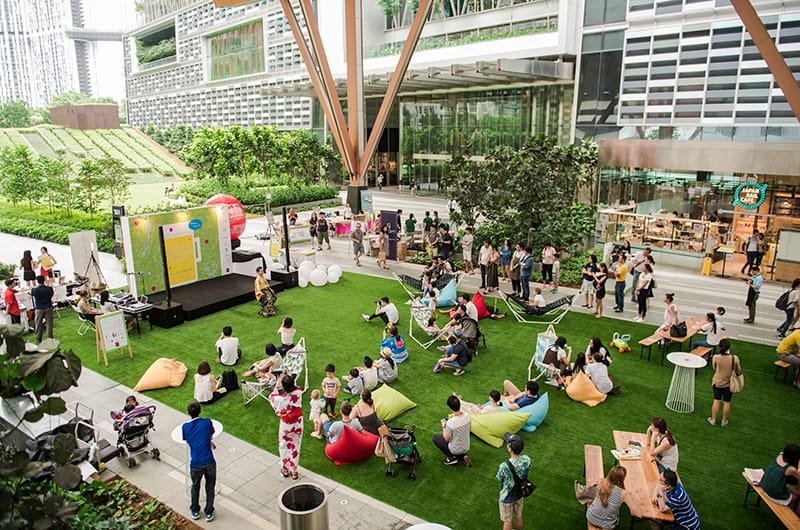
Photo: Guocoland
2020 saw the formation of the Marina Bay, Marina Central and Raffles Place pilot BIDs.
When the COVID-19 pandemic hit in 2020, the role of placemaking in Singapore became even more significant, with constraints brought on by the pandemic reinforcing the importance of communities working closely together to actively shape their neighbourhoods. During this period, pilot BIDs Marina Central (opens in new tab)and Singapore River One (opens in new tab) undertook initiatives such as the introduction of precinct vouchers and tie-ups with food & beverage outlets and delivery service providers to help businesses stay viable, while the launch of public space projects such as tree planting at the Discover Tanjong Pagar (opens in new tab) Community Green and safe distancing stickers at Raffles Place (opens in new tab)allowed the community to enjoy the outdoors while being safely distanced.
Post-pandemic, the stakeholders of the pilot BIDs continued to work closely together to enhance and enliven their precincts with interesting events and activations such as #RPchairs, District M and DTP community eco-playground, to name a few.
2023 - present
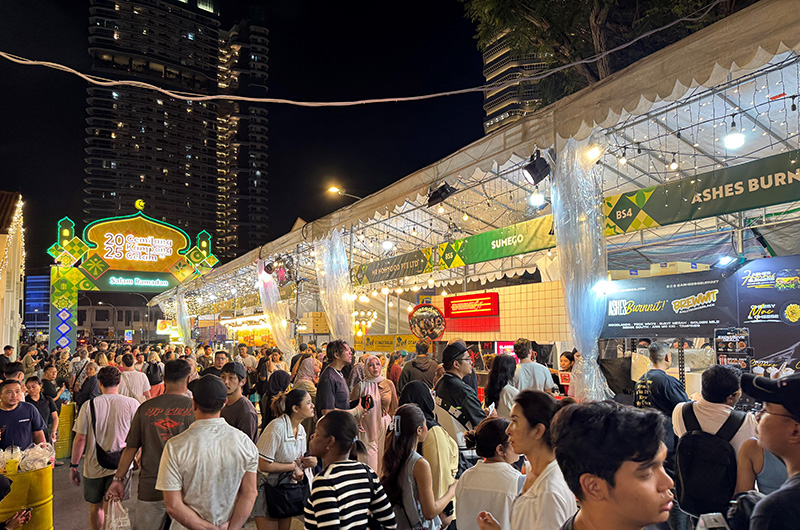
In 2023, Kampong Gelam Historic Area Place Plan (opens in new tab) was launched to set out key values and visions agreed upon by the community and map out a range of projects to grow Kampong Gelam into an even more attractive and relevant place for all, while preserving its soul as one of our cultural heartlands. The Kampong Gelam stakeholders and government agencies actively use the Place Plan to shape future developments for the precinct.
To realise the ambitions of the Place Plan, stakeholders acknowledged the need for a formalised leadership to represent the diverse interests in the community. Hence, Kampong Gelam Alliance was officially constituted as a Company Limited By Guarantee in September 2024 to serve as the recognised partner on the ground to represent the neighbourhood in a holistic manner, manage community assets and leverage resources.
By 2026, URA and People’s Association will launch PAssion Wave Outpost @ Bayfront, which will be the first water sports satellite facility in Marina Bay offering kayaking, pedal boating and dragon boating amidst stunning views of the bay.
Capability Development
To encourage community place champions to kickstart and drive placemaking initiatives within their developments and precincts, there is a need to build up capabilities within the community through offering formalised training, including placemaking forums and courses.
Place Management Forum
The Place Management Forum is organised as part of URA’s efforts to deepen placemaking knowledge and inculcate best practices across the public, private and people sectors. The forum aims to bring together international and local placemaking experts and practitioners to share their insights and experiences in shaping precincts into vibrant, attractive, and distinctive destinations to strengthen capabilities of the local placemaking community while providing a platform for agencies, stakeholders and practitioners to network.
Placemaking Courses: Professional Certificate in Placemaking
The NUS School of Continuing & Lifelong Education (SCALE) offers the Professional Certificate in Placemaking course, with modules that equip participants with the skills and knowledge required for place managers and placemaking professionals. Visit this website (opens in new tab) to find out more about the course offerings.