
Placemaking
Can public spaces share our sense of belonging?
30 September 2026
A quiet corner for respite. Mahjong across generations. A ping-pong game. Music that strangers join in — Stella Gwee, Founder of Shophouse & Co, believes the smallest moments in public spaces often have the biggest impact on our well-being and sense of belonging.
More than just physical amenities, what is the significance of public spaces?
Stella: Public spaces are fundamentally about human connection. Embedded in our everyday lives, the public space is the canvas where our lives play out.
It is in public spaces that we experience many micro, ordinary moments. It is where we can see, feel and connect with one another. The value of a public space is felt more than it is spoken. People may not have the language to articulate why a place matters to them, but they know it when they feel it.
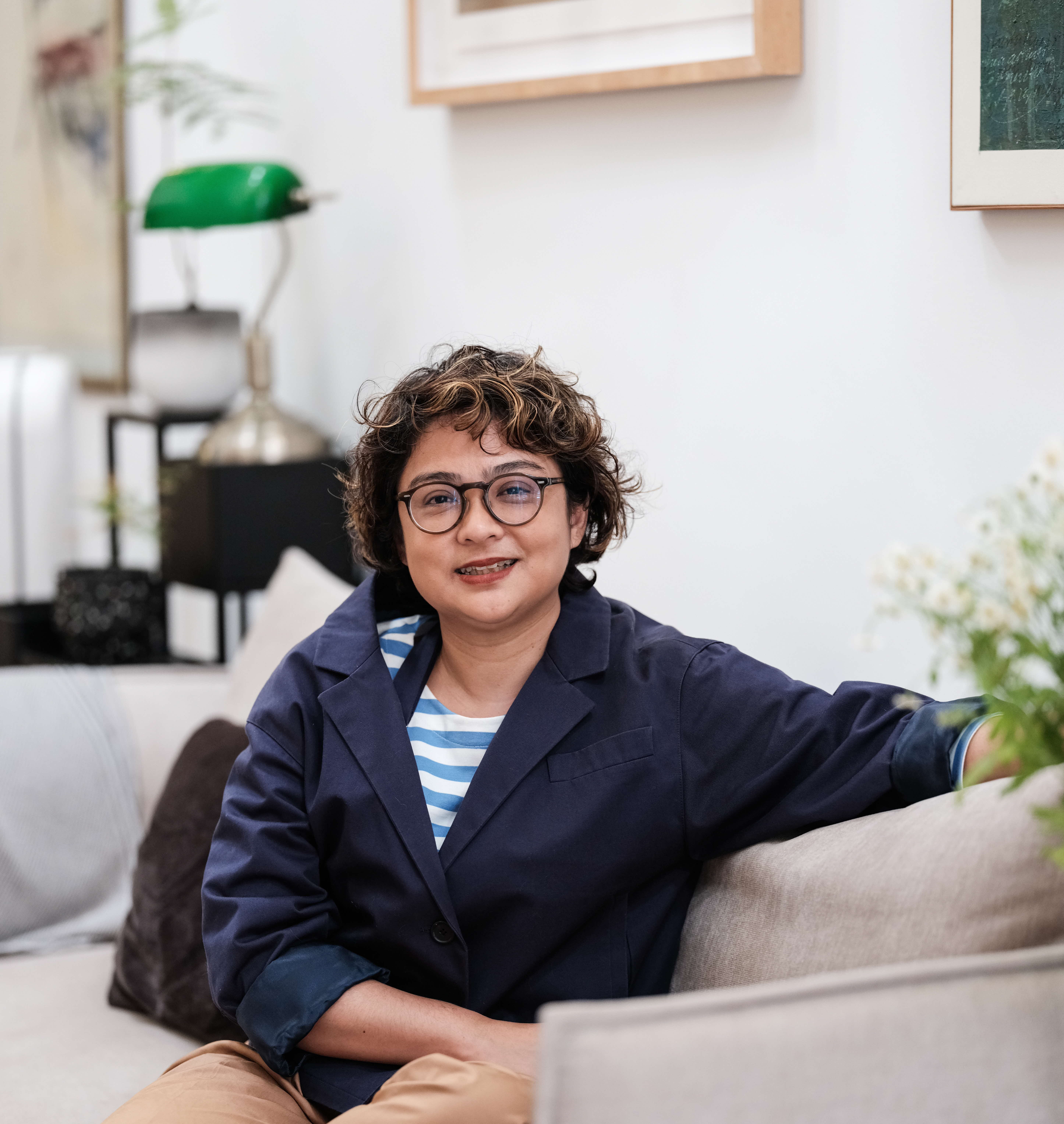
Stella Gwee, Founder of Shophouse & Co. Photo credit: Stella Gwee.
How can public spaces contribute to our mental and emotional well-being?
Stella: Public spaces hold up our everyday lives more than we realise — breathing room for hard days, quiet moments, and collective joy we didn't know we needed.
For those who face significant challenges and stresses in their daily lives, there can be a lot of mental and emotional pressures that can fester into frustration and anger. Sometimes, what people need is not to go to another spa or a wellness centre but just a space for a quiet moment.
A social service agency (SSA) shared with me that one of the mums in their neighbourhood mentioned all she needed was a cool, quiet place downstairs from her hot and crowded rental flat where she can watch her K-drama for 20 minutes while being near to her kids as they do their homework. That is somebody's public space. That moment of calm is what public spaces can do for our mental and emotional well-being.
How else can public spaces benefit us?
Stella: I was in Oslo sitting on the steps by the water when I heard music playing. People started dancing with one another amongst strangers. What struck me was not just the dancing, but what that moment spoke to me.
If you have had a terrible day or you are rushing from place to place, this kind of spontaneous, unscripted experience interrupts your stress and gives you a short timeout. It lets you appreciate the beauty in life.
It is such informal moments in public spaces that make a difference.
“Public spaces hold up our everyday lives more than we realise - breathing room for hard days, quiet moments, and collective joy we didn't know we needed.”— Stella Gwee
What are some informal ways people have been using and adapting our public spaces?
Stella: In a research project, we came across a group of young men doing calisthenics at a fitness corner in a housing estate. Elderly uncles started watching them train, and eventually the young men invited the uncles to join in. Those uncles began exercising regularly. Nobody designed that outcome. It emerged from an organic encounter in a public space.
Other examples are how youths are actively adapting spaces to foster connections. The Chop Community is turning the Chong Pang void deck into a hangout for board games, karaoke sessions and art jams. I also love how the youths from Mahjong SG are using the Toa Payoh West Community Club space to host mahjong sessions between youth volunteers and seniors. It is easy to set up and takes a collaborative effort to deliver an intergenerational fun activity that is relatively low cost.
But there are still some misconceptions about our public spaces.
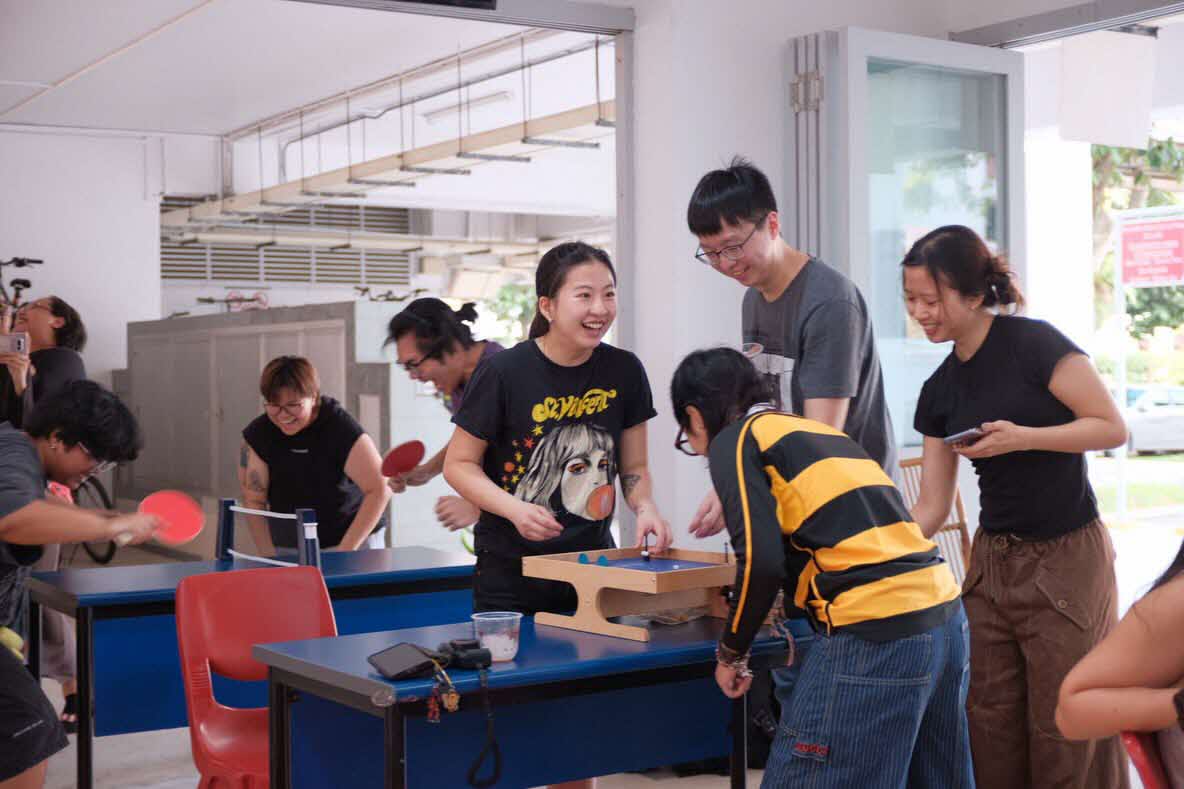
The Chop Community: Youths turning a Chong Pang void deck into a place to gather, play and connect. Photo credit: The Chop Community.
What are these misconceptions?
Stella: Some still think that public spaces do not belong to them. They assume that because these public spaces are managed by the government, there are rules and regulations, and that they cannot have agency in using these spaces.
Others may also fear that if you place tables and chairs in a public space, these may get stolen or be vandalised. We experimented with placing a ping-pong table together with bats in a void deck under a flat on King George's Avenue. To address the concerns about vandalism from the Town Councils, we deliberately ‘vandalised’ the tables by drawing on them.
None of the tables or bats were stolen. In fact, an elderly uncle was so eager to play that he brought his friends along, and the community naturally took over to maintain these tables in the short period. Through creative prototyping, we could address stakeholders’ concerns and understand the correct problems we are addressing.
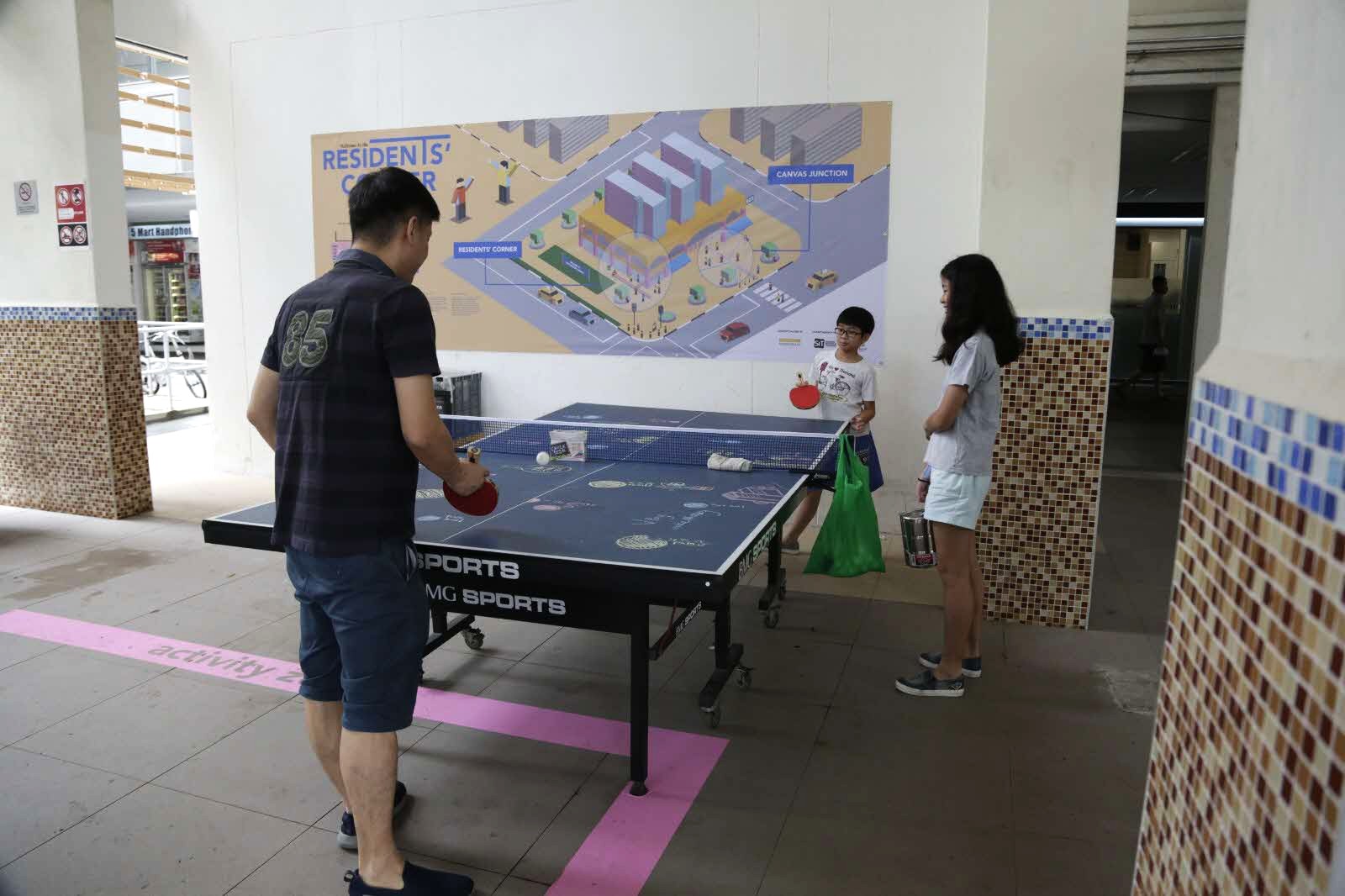
A game of ping-pong at void deck of King George's Avenue - Creative prototyping showed how residents can take ownership of shared public spaces. Photo credit: Shophouse & Co.
How then can planners, designers and developers encourage people to embrace public spaces as their own?
Stella: As planners and designers, we need to find ways to make it easier for people to use and activate public spaces. It could be as simple as providing sufficient power sources. It is also about how we can plan and design spaces that encourage more informal and organic community use, where there is room for some messiness and spontaneity.
We need to look at public spaces not as just an amenity to provide or an investment to attract higher footfall but as critical social infrastructure that we should invest in.
We can show the social value of public spaces by measuring how they can help to foster social connections or a sense of belonging. For example, if your focus is to reduce elderly isolation, you can track whether the uncle who started watching the calisthenics group is now exercising, how often, and what his health indicators look like over time.
About Stella Gwee
Founder of pioneer placemaking studio, Shophouse & Co and Regional Network Leader for Asia, PlacemakingX, Stella Gwee has worked with communities, developers and planners to turn public spaces into engaging places for 14 years.