
Singapore’s Approach to Urban Design
From urban pattern and building form to greenery, roofscapes and night lighting, nine key elements come together to shape a built environment that is cohesive, safe and enjoyable for everyone. Explore how each element contributes to Singapore's approach to urban design.
Last updated on 20 August 2026
Singapore's urban design practice is guided by nine key elements: urban pattern, building form, pedestrian network, open space, streetscape, night lighting, greenery, roofscape and vehicular access.
Together, these elements form a practical framework for shaping a city that is functional, attractive and liveable. They help practitioners such as architects and developers to create places that are easy to navigate, enjoyable to experience, and responsive to the needs of the community.
Nine key elements
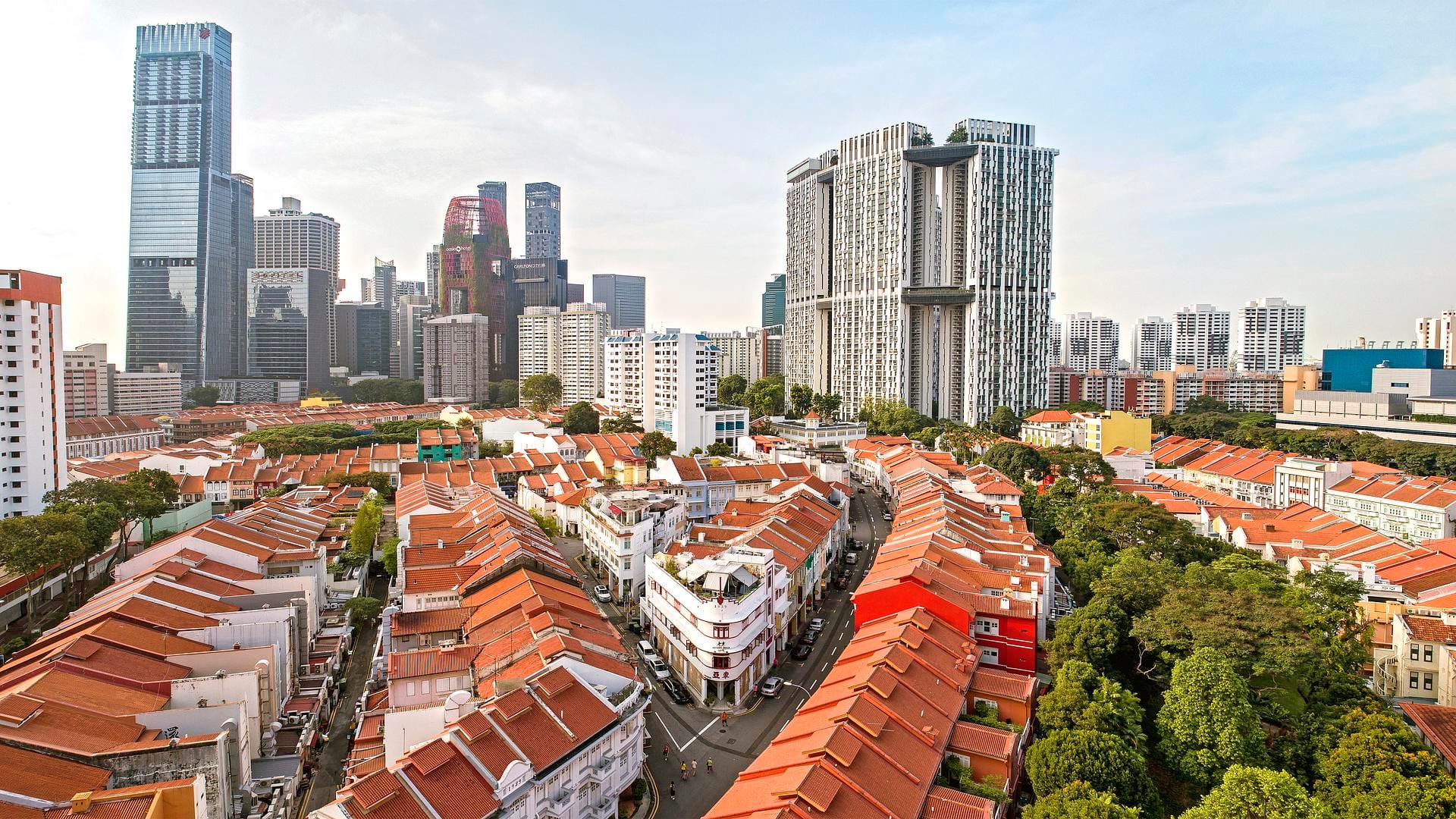
Urban pattern
Urban pattern gives the city a clear and legible structure, by organising different land uses, streets, open spaces and landmarks in a coherent way. This helps people intuitively understand and navigate their surroundings.
.jpg)
Building Form
Building form refers to how developments look and feel in three dimensions, expressed through different building typologies. Urban design guidelines help ensure that buildings complement their surroundings and contribute positively to the city skyline.
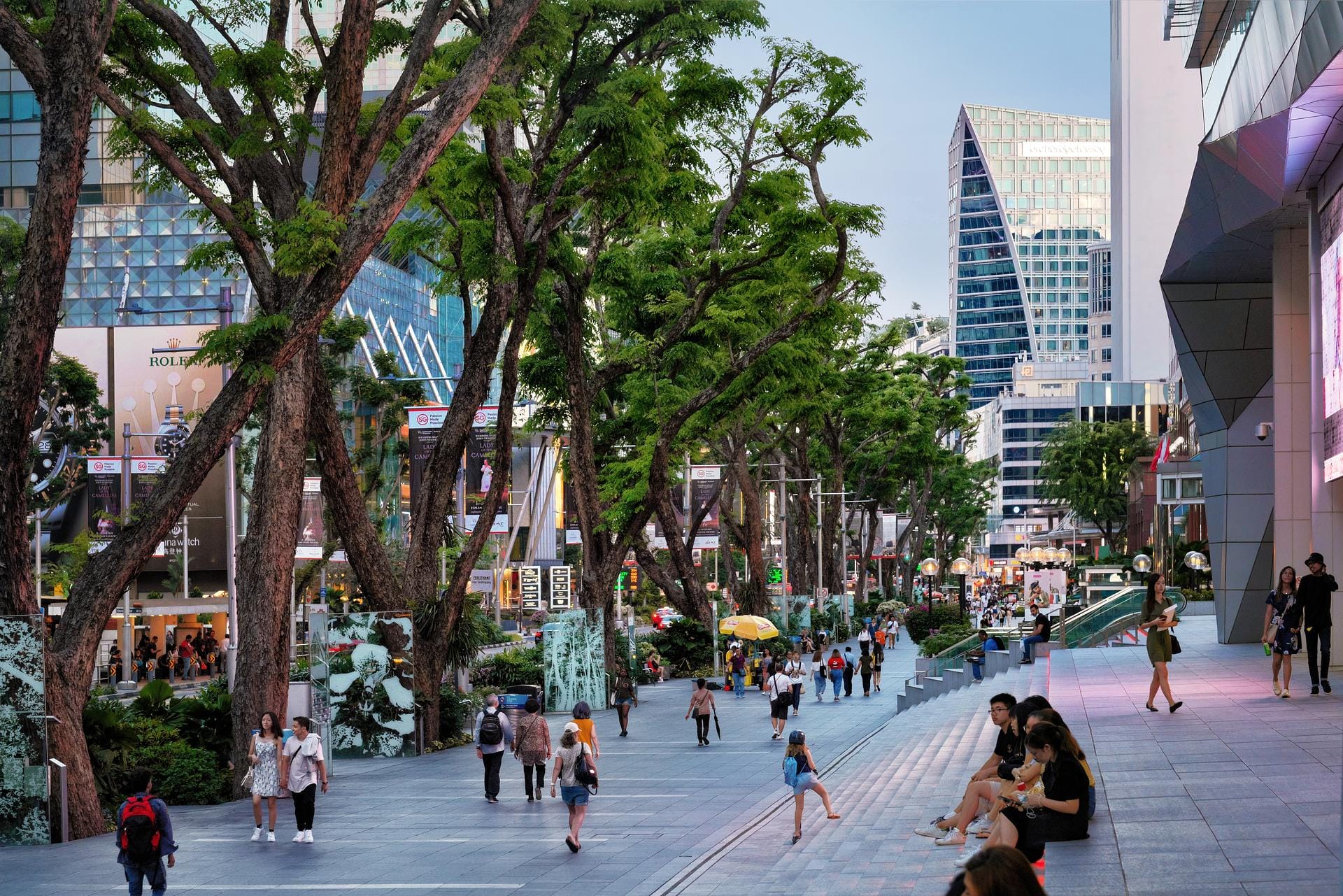
Pedestrian network
A well-connected pedestrian network makes it easy and pleasant to get around on foot. By linking developments, transport nodes, open spaces and points of interest, it facilitates seamless movement and supports a more walkable city.
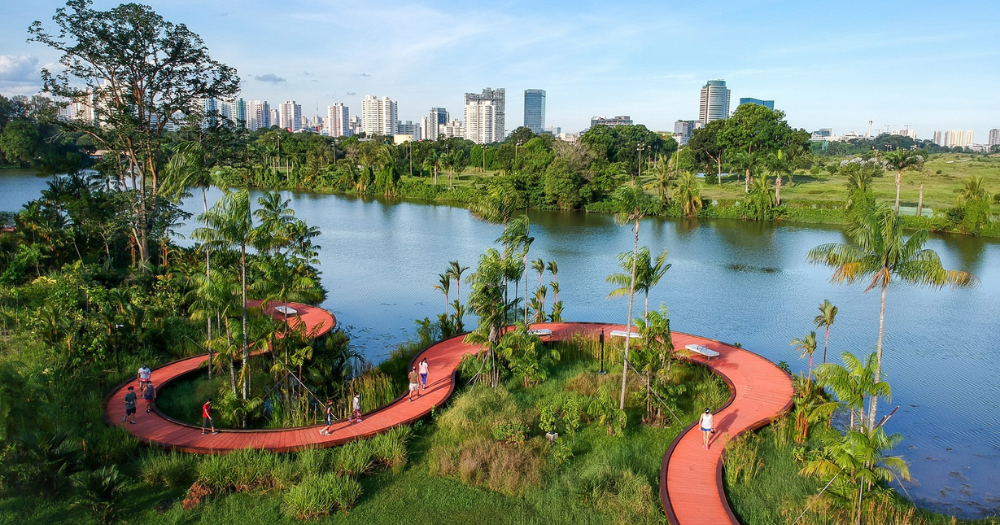
Open space
Open spaces provide opportunities for recreation, social interaction and respite from urban life. They are vital to the well-being of residents and are planned as part of a broader network, coordinated alongside pedestrian routes through plans such as the Parks and Waterbodies Plan.
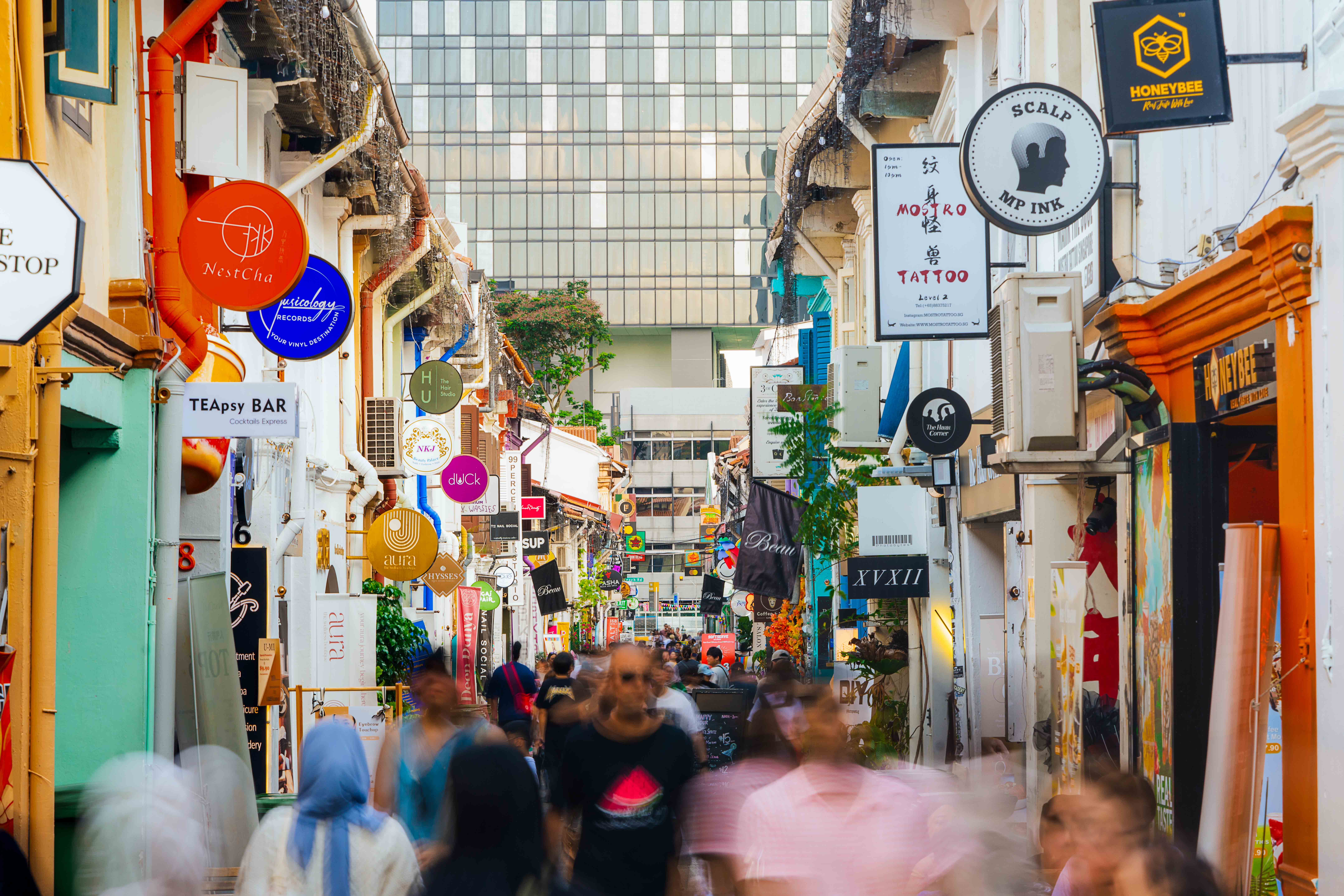
Streetscape
Streetscapes are more than the space between buildings and roads — they are where people interact with and experience the city. Well-designed streetscapes enhance vibrancy and make urban areas more inviting and walkable
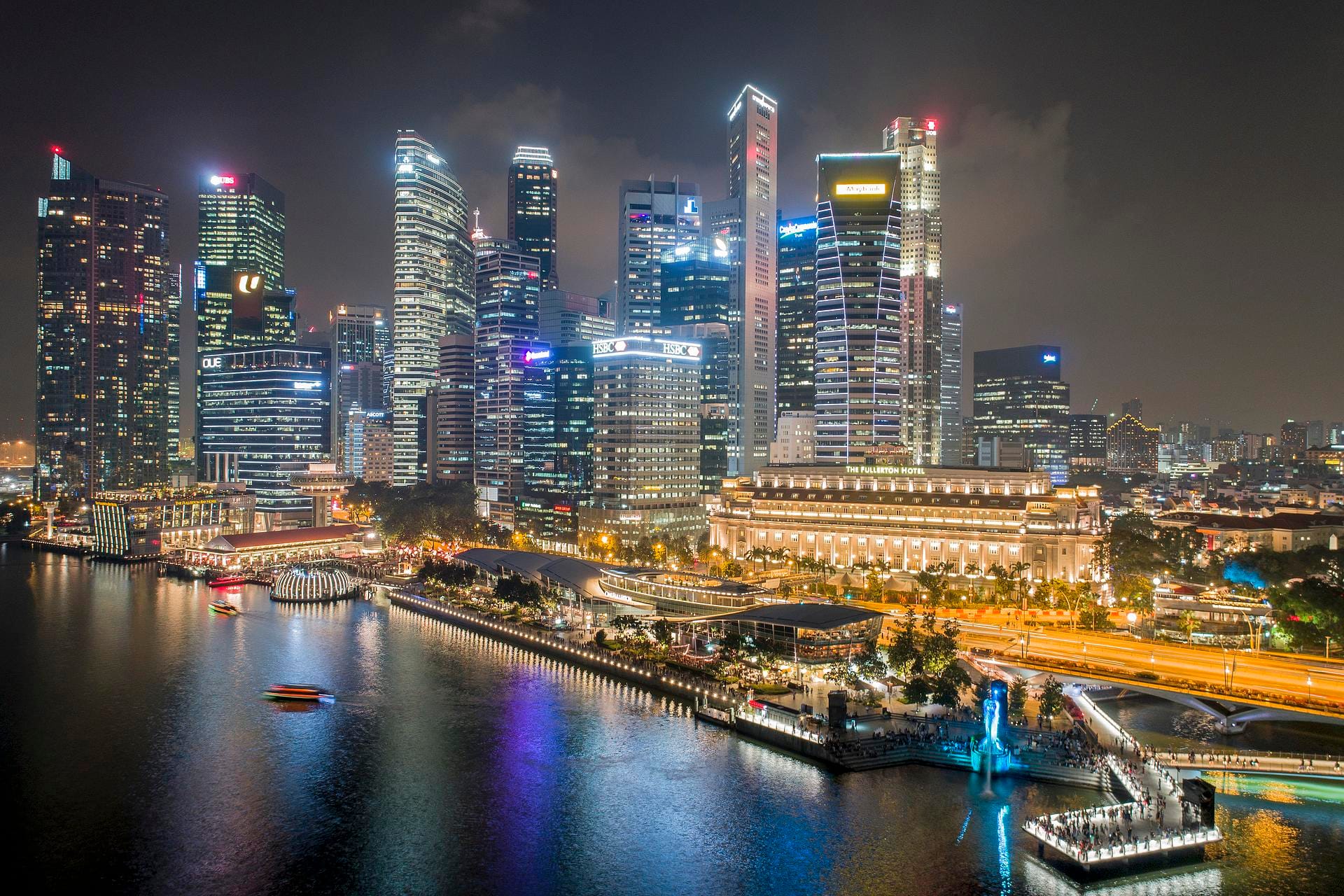
Night lighting
Thoughtful night lighting brings districts to life after dark and supports Singapore's night economy. It focuses on managing the amount and quality of light on buildings and in public spaces, while minimising glare and light pollution. This allows the city to transition gracefully between different lighting moods as night falls. This is especially relevant in Singapore, where cooler evening temperatures make outdoor activity more appealing.
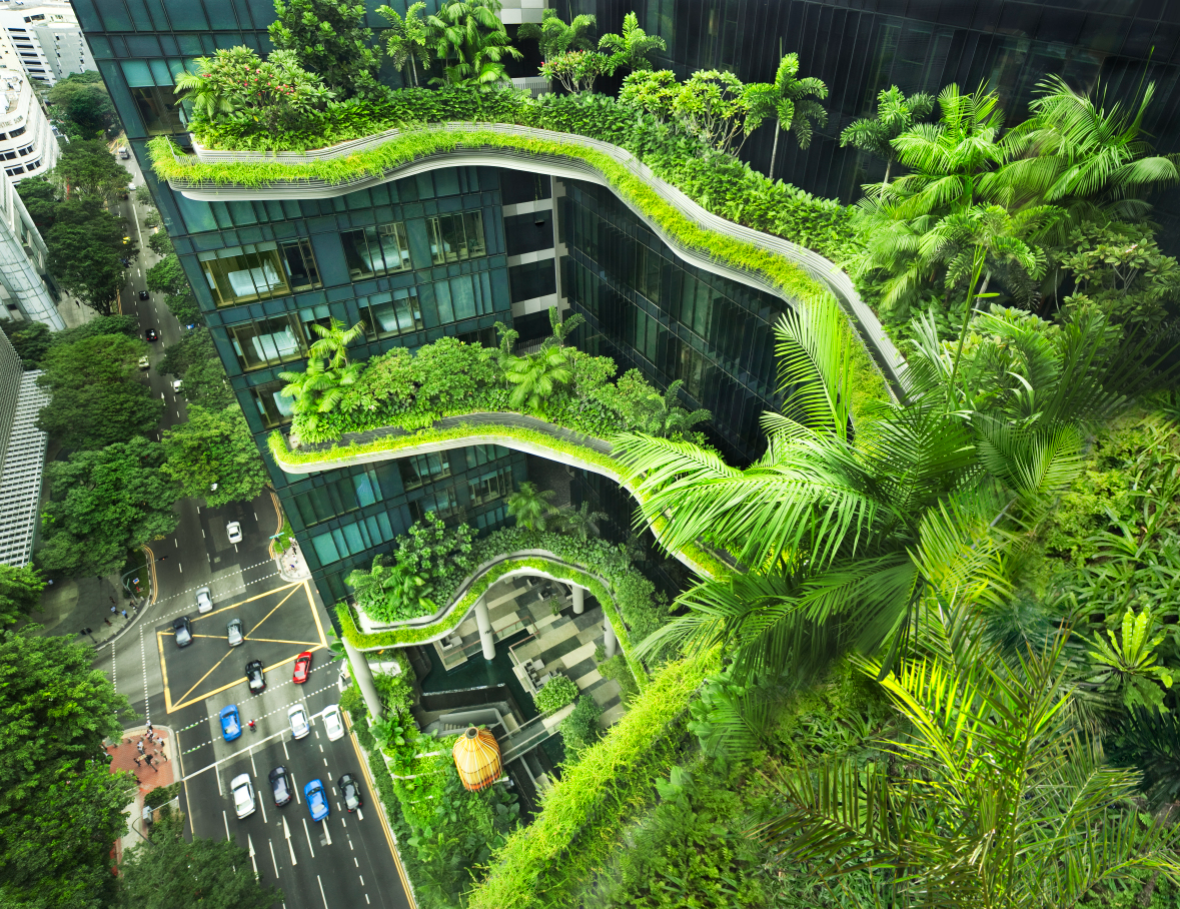
Greenery
Greenery is an integral part of Singapore's urban environment. Through the Landscaping for Urban Spaces and High-Rises (LUSH) programme, developments are required to replace greenery displaced during construction, helping to weave nature into the built environment in tandem with supporting development needs.
.jpg)
Roofscape
Often described as the "fifth elevation", rooftops deserves as much design attention as any façade. Beyond contributing to a district's character, rooftop spaces are increasingly encouraged to serve as communal areas for public enjoyment.
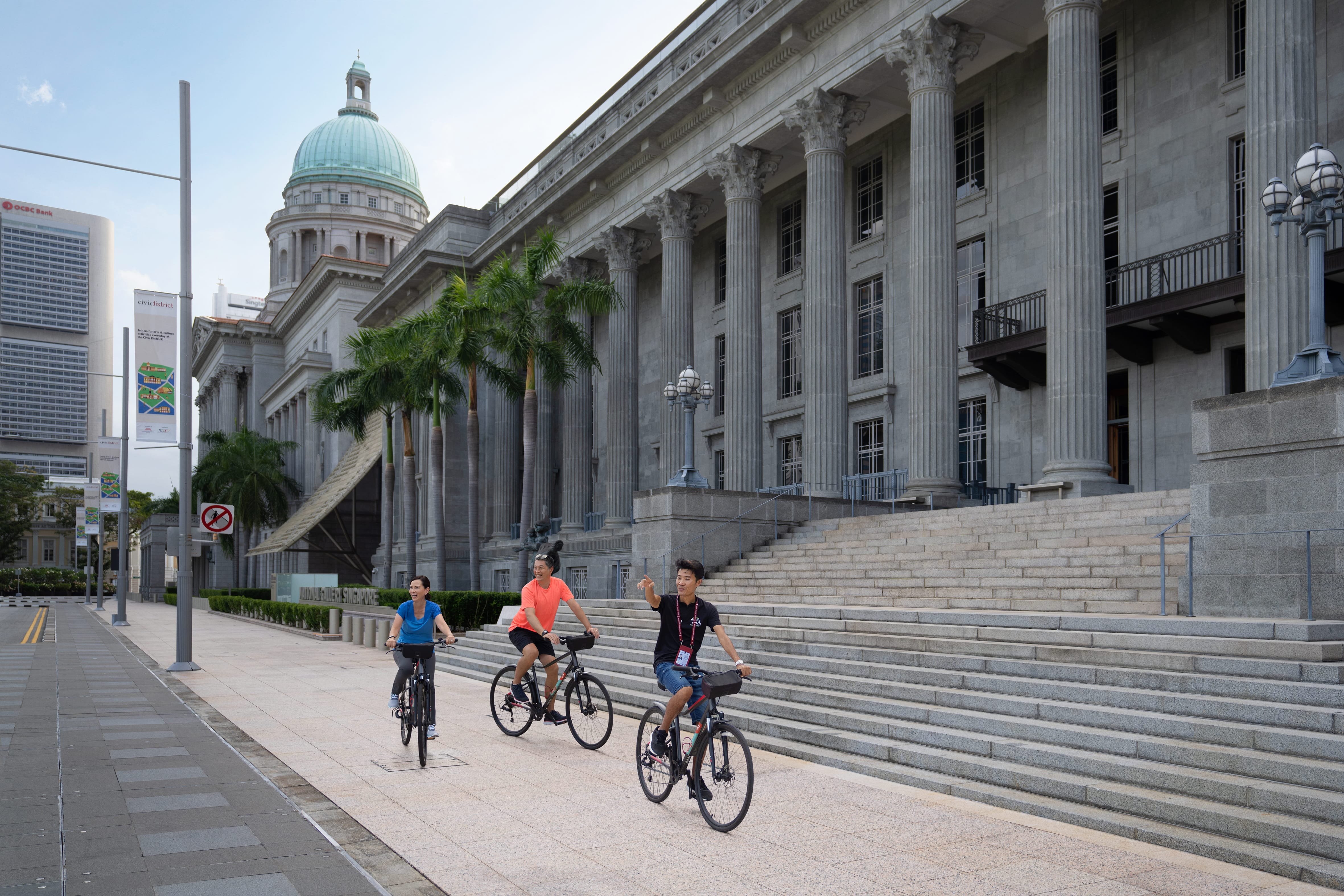
Vehicular access
Managing how vehicles enter, exit and service developments is key to creating a pedestrian-friendly city. By minimising disruptions to foot traffic and reducing pedestrian-vehicular conflict, thoughtful vehicular access planning helps make Singapore's streets safer and more walkable.