
More Recreation Closer to Homes
A well-connected network of recreational facilities in our towns ensures that we all have good access to places where we can relax and unwind daily.
Last updated on 24 June 2026
How do Singaporeans play?
A survey on the public’s recreational preferences and aspirations found:
Survey results
Top 5 recreational activities before COVID-19 | Top 5 factors for choosing a recreational facility |
|---|---|
Respondents did not anticipate significant changes in usage patterns for recreational facilities after the pandemic. |
While accessibility is one of the most important factors, respondents were willing to travel further to large-scale national attractions. |
Source: URA commissioned survey, 2021
Supporting diverse play in more facilities
Our towns are designed to provide easy access to a wide range of social and leisure options such as parks, shops, eateries, sports facilities and other activity centres. This ensures residents’ day-to-day recreational needs and lifestyle aspirations are met. A variety of recreational opportunities can also be integrated at one place to offer more play options while optimising land use.
Integrating schools into the community
Today, more than 300 school sports facilities are available for public access during weekends under the Dual-Use Scheme. Existing schools can be upgraded and new ones designed to open up more spaces for a greater variety of social and community activities. Lecture theatres can double up as venues for community events, while suitable green spaces in schools can be optimised for community gardening.
Bringing arts and culture to our neighbourhoods
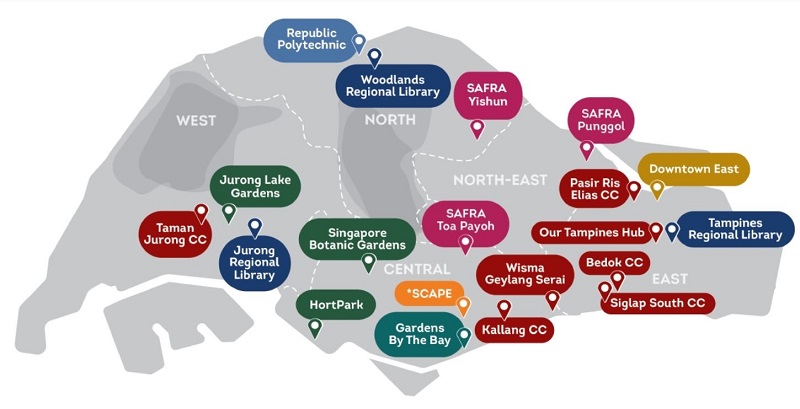
To make it easier for Singaporeans to participate in arts and culture activities closer to homes, the NAC has partnered with partners such as the PA, NLB, NParks and SAFRA to develop a network of arts and culture nodes.
© NAC
Typically integrated within social and community amenities such as public libraries, community centres (CCs) and outdoor recreational spaces, there are some 20 nodes islandwide today. Along with initiatives such as Arts in Your Neighbourhood and programmes by the arts community and partners, more touchpoints can be provided for people to experience and enjoy diverse and accessible arts activities in everyday spaces.
Welcoming communities to use state land
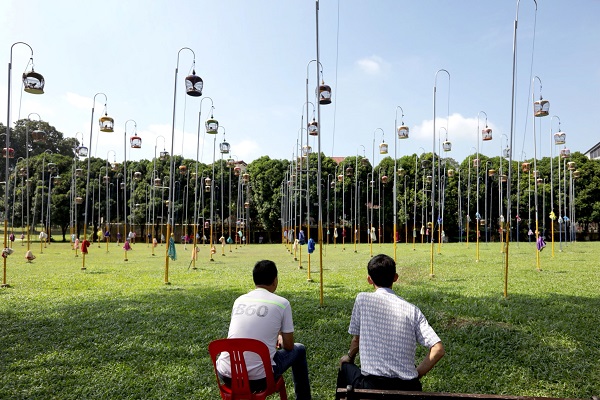
We have diverse development needs to meet. However, for vacant state lands not required for immediate development, the public can use them for recreational activities in the interim.
© STB
Many of these sites have become regular grounds for various sports and hobbies such as football, frisbee and kite-flying, as well as community events that liven up our towns. Today, more than 250 State fields (equivalent to some 419 football fields) are available for community use and more than 50% are located near housing estates.
Tapping on underutilised spaces
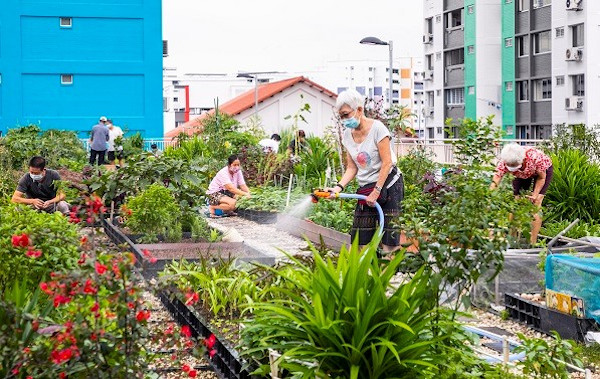
As we become a car-lite society, underutilised spaces at HDB’s multi-storey carparks may be converted for alternative uses where opportunities arise.
© HDB
One example is community gardening. Suitable rooftops can be converted into gardening spaces where residents can grow their favourite plants or vegetables, and bond over community gardening activities. These spaces also beautify and add vibrancy to the community.
Co-creating play spaces with residents
All of us can play a part in designing and curating our own recreational spaces. By engaging people of different ages, needs and abilities in the co-creation process, we also ensure more inclusive play for everyone.
Designing lively places
Existing initiatives such as the Lively Places Programme encourage residents to organise activities that rally the community and help enliven spaces and streets in our towns. Residents and others are encouraged to explore and pursue more of such community spaces and activities in their towns and future ones.
Making good use of our common spaces
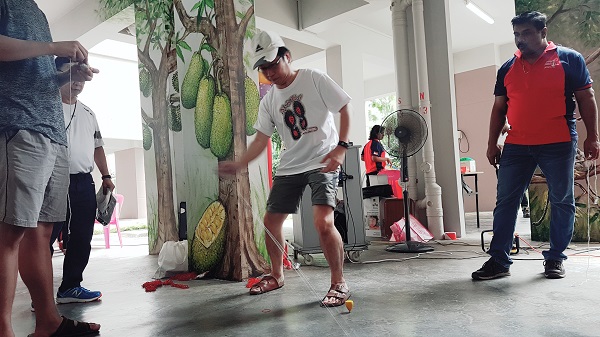
Shared areas such as void decks and precinct spaces are important social and recreational spaces. In time to come, citizens moving into new HDB developments will have more opportunities to shape such spaces that would be reserved only for community uses.
© HDB
As part of the HDB and PA’s White Spaces initiative, which is currently being piloted at the new precincts of Tampines GreenVerge and SkyResidence@Dawson, residents get to come together to co-create their ideal community space.
Build-a-Playground (BAP), together!
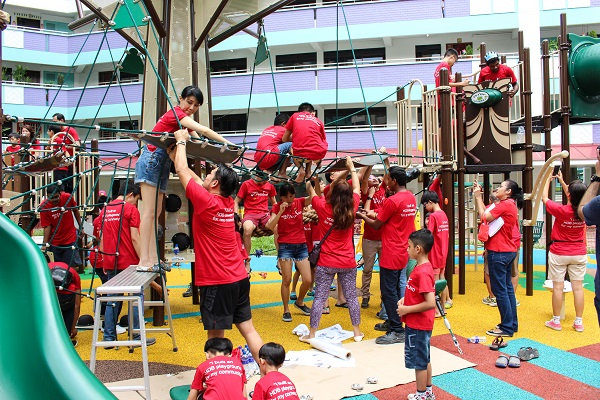
Playgrounds bustling with the energy of young children are familiar features of our public housing estates. Over the years, not only are playgrounds becoming more imaginative spaces with different themes, but residents can also participate in building some.
© HDB
With the successful completion of the pilot BAP project in Canberra in 2018, the HDB will be expanding the initiative to other towns too. Over 5,800 residents in Toa Payoh, Pasir Ris, Woodlands and Choa Chu Kang have contributed to the design of the new playgrounds in their towns.
Bringing nature to our doorsteps
From waterways to parks, our living spaces offer many opportunities for residents to enjoy nature. New types of green spaces are also being developed for gardening hobbyists and to encourage bonding among residents and with nature.
Green living
© HDB
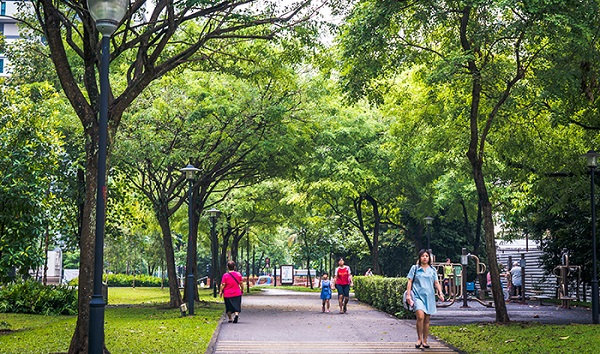
To provide more opportunities for recreational activities amid nature, a hierarchy of green spaces, namely town parks, neighbourhood parks and common greens, will continue to be provided within our housing estates. More efforts will also be put into ensuring green and blue spaces are well integrated with our new housing projects.
New types of green spaces
© HDB
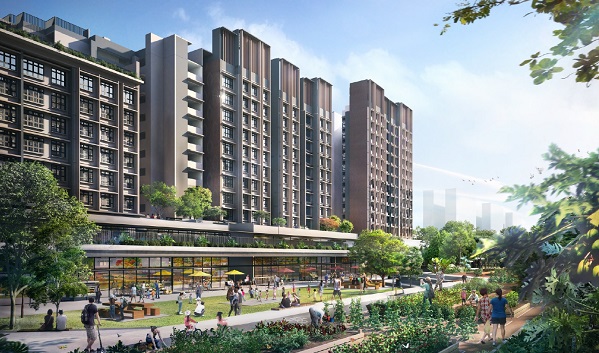
The upcoming community farmways in Tengah have been planned to provide residents with hobby farming and gardening opportunities. Upon completion, Tengah residents can grow their own plants or produce, and even sell their harvests at farmers’ markets.
Housing in a park
© HDB
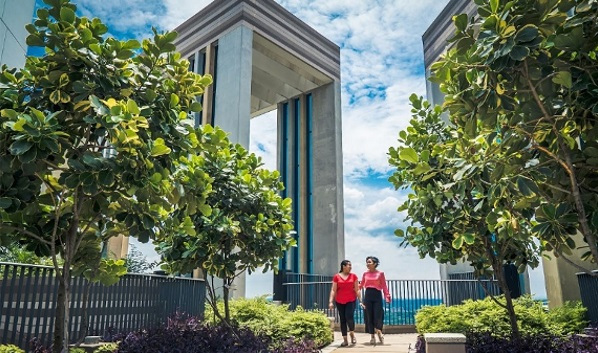
Within housing estates, greenery can be introduced on different floors from the ground to middle level or rooftop sky gardens, with fitness and play facilities available close to homes. An example is the SkyVille@Dawson housing project located at the rejuvenated Dawson estate in Queenstown.