
Inform (Guidelines)
Pedestrian & cyclist friendly features encouraged in all developments
20 September 2018
You may have heard that as part of the vision for a 'car-lite' Singapore, URA and LTA have introduced a "Walking and Cycling Plan" requirement for selected New Erection or Major A&A works to ensure that the needs of pedestrians and cyclists are considered upfront in the design of developments.
We encourage all developments to incorporate pedestrian and cyclist friendly features, even if they do not fall under the Walking and Cycling Plan submission criteria. This way, we can shape a more pedestrian and cyclist friendly urban environment throughout Singapore, one development at a time.
Here are some suggestions you can consider when designing your development:
Consider pedestrian routes
Plan for convenient access for pedestrians to your development by considering the existing pedestrian routes. These could be from nearby amenities - such as public transport facilities (MRT/LRT station, bus interchange/stop, taxi stand), pedestrian infrastructure (covered linkway, pedestrian crossing, overhead bridge, underpass), and other public facilities and places of interest (shop, eatery, school, library, park etc). For developments with boundary walls, place pedestrian gates at points which allow intuitive and direct access.
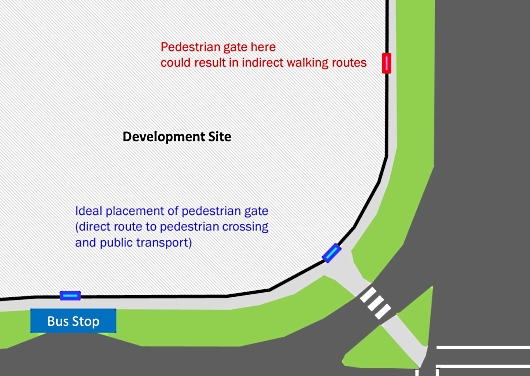
Reduce conflict between cars, pedestrians and cyclists
Inter-modal conflict can be avoided through careful design. Some suggestions include:
Using setback or splayed boundary walls for better visibility
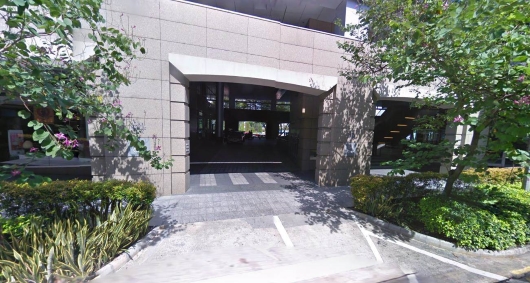
Where vehicles turn in or out of the site, make it easier for motorists to see crossing pedestrians by setting back or splaying the boundary wall. Alternatively, use porous fencing for increased visibility.
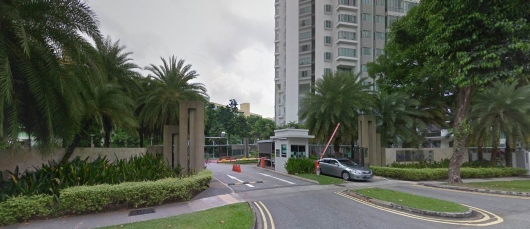
Setback boundary wall
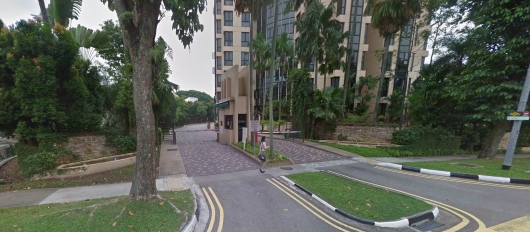
Splayed boundary wall
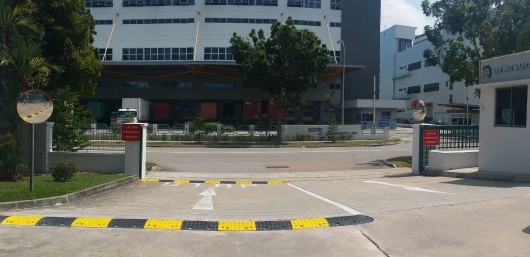
Porous boundary wall
Using raised crossings
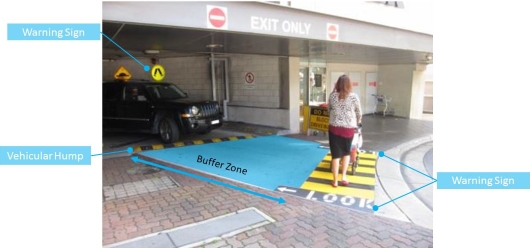
Where pedestrians cross driveways or roads, use a raised crossing that is level with the pedestrian path. This allows pedestrians and cyclists to cross seamlessly, while doubling up as a road hump to slow motorists. Paving the raised crossing in the same way as the pedestrian walkway also alerts motorists to be careful.
Replacing pedestrian routes
If an existing pedestrian footpath runs through your development site, plan for a replacement route during construction. Also consider designing the final development with a pedestrian path or through-block link following the same alignment as the original route.Ensuring seamless connections for pedestrians
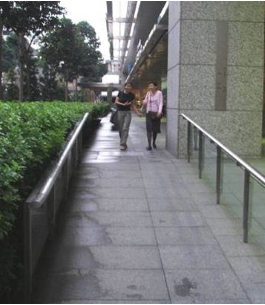
Install ramps instead of steps
As far as possible, use gentle slopes to cover level differences. Those who have difficulty walking, and those on wheels will appreciate it.
Use a constant platform level
Level walkways help people to stay on even footing.
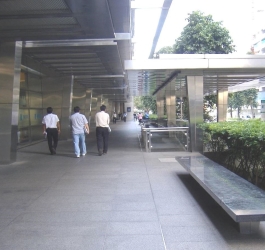
Covered walkway level matches open walkway level
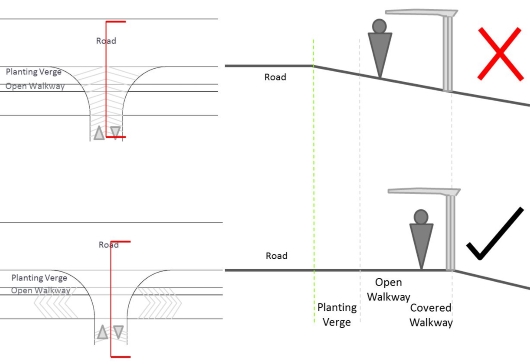
Walkway remains at constant level, down ramp towards carpark starts after covered walkway
Ensure unimpeded pedestrian routes
Position planter boxes, seats, columns, and shop lines in a way that does not obstruct the natural flow of pedestrians.
Providing seats for the public
Everybody appreciates having a stress-free place to rest. Attract more people to your development by providing free seating for the public, both indoors and outdoors. The edges of planter boxes, if widened slightly, can double up as seating too.
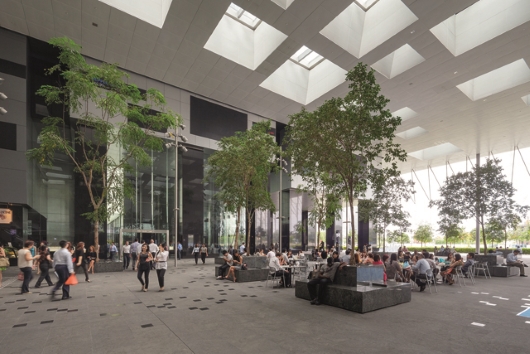
Copyright Asia Square
Building cycling paths, bike parking, and related facilities
Extensive cycling routes (opens in new tab) will soon be rolled out throughout the island. Tap on this valuable network by building cycling paths within and around your development.
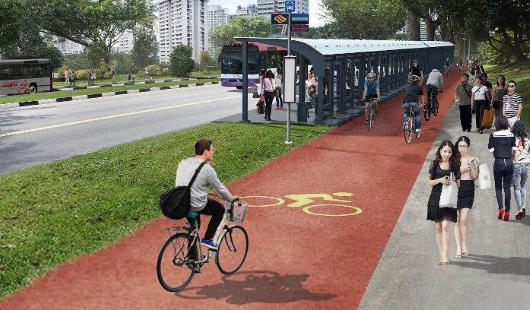
The cycling paths can provide direct and convenient access to bike parking lots and "end-of-trip facilities" such as showers and lockers within the building.
Note: All Best Practice articles are only for general information. We strongly advise readers to read the relevant circulars we issue to professional institutes for full and accurate information on development control matters as these will continue to take precedence.