
Conserved Building
216 Changi Road
Applicable Guidelines
Other Building Guidelines
Conservation Area
Sian Keng Tong Conservation Area
Historic address: 216 Changi Road
Sian Keng Tong Temple
About
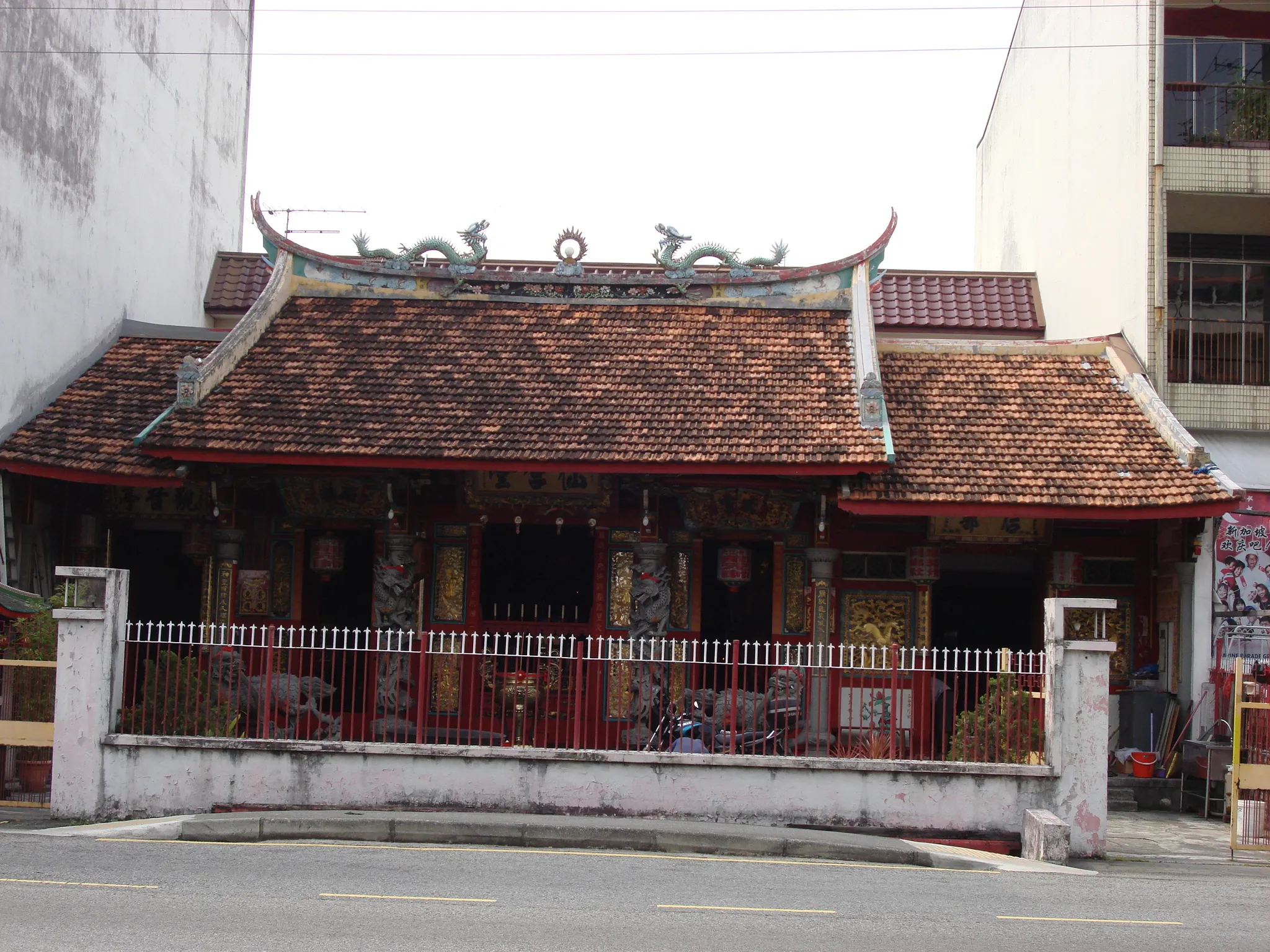
Sian Keng Tong (仙宫堂, Hall of the Palace of Immortals), built in 1965 by the ‘Ao’ Henghwa clan at 216 Changi Road, acts as a reminder of the past where a bus depot used to be nearby.
The History
It is unique in history as the symbol of collaborative efforts among local bus drivers, bus conductors and businessmen from the Henghwa clan. This clan was well-known for being active players in the transport industry. No craftsmen from China were used during construction, which created a sensation among the Chinese community at the time for being an authentic ‘Made in Singapore’ Chinese temple.
It is famous for Henghwa puppetry performances during festivals, a rare sight in Singapore and Malaysia today.
The Building
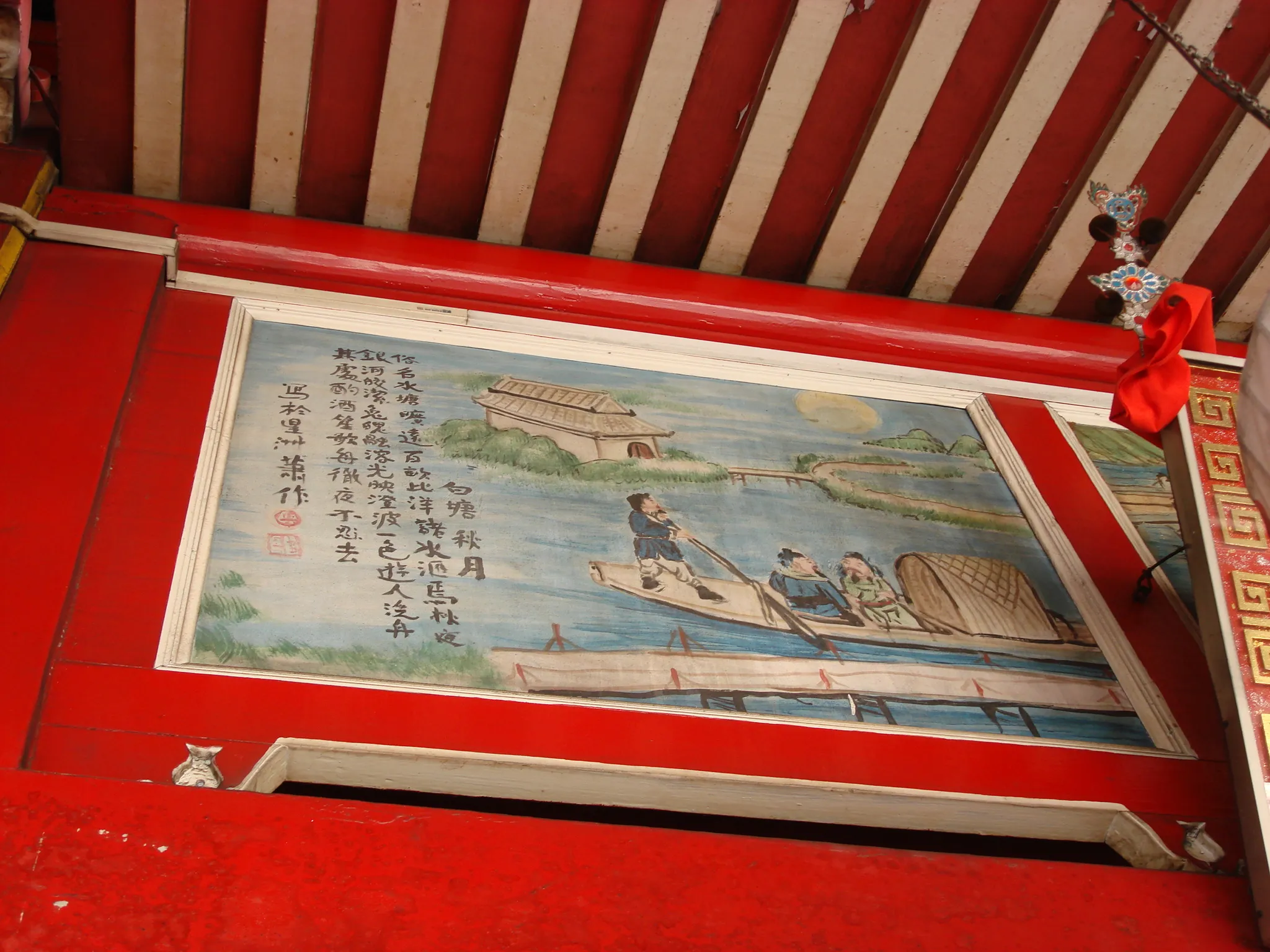
The building is unique for following the traditional Qing Dynasty Hokkien-style way of aesthetics and decoration although it was built during the mid-20th century. It is also a good example of temple structure using both traditional and modern materials. Its elegant beams and trusses were carved from tropical hardwood while its main beam is made from reinforced concrete.
The 3-bay construction of the main hall has the usual Hokkien-style curved roof ridge with ‘Swallow’s Tails’ finials. The use of the natural terracotta Marseilles roof tiles is a sign of the times of its construction, when there was no access to traditional tiles from China. It is also in keeping with traditional Hokkien architecture where roof tiles are of natural terracotta colour.
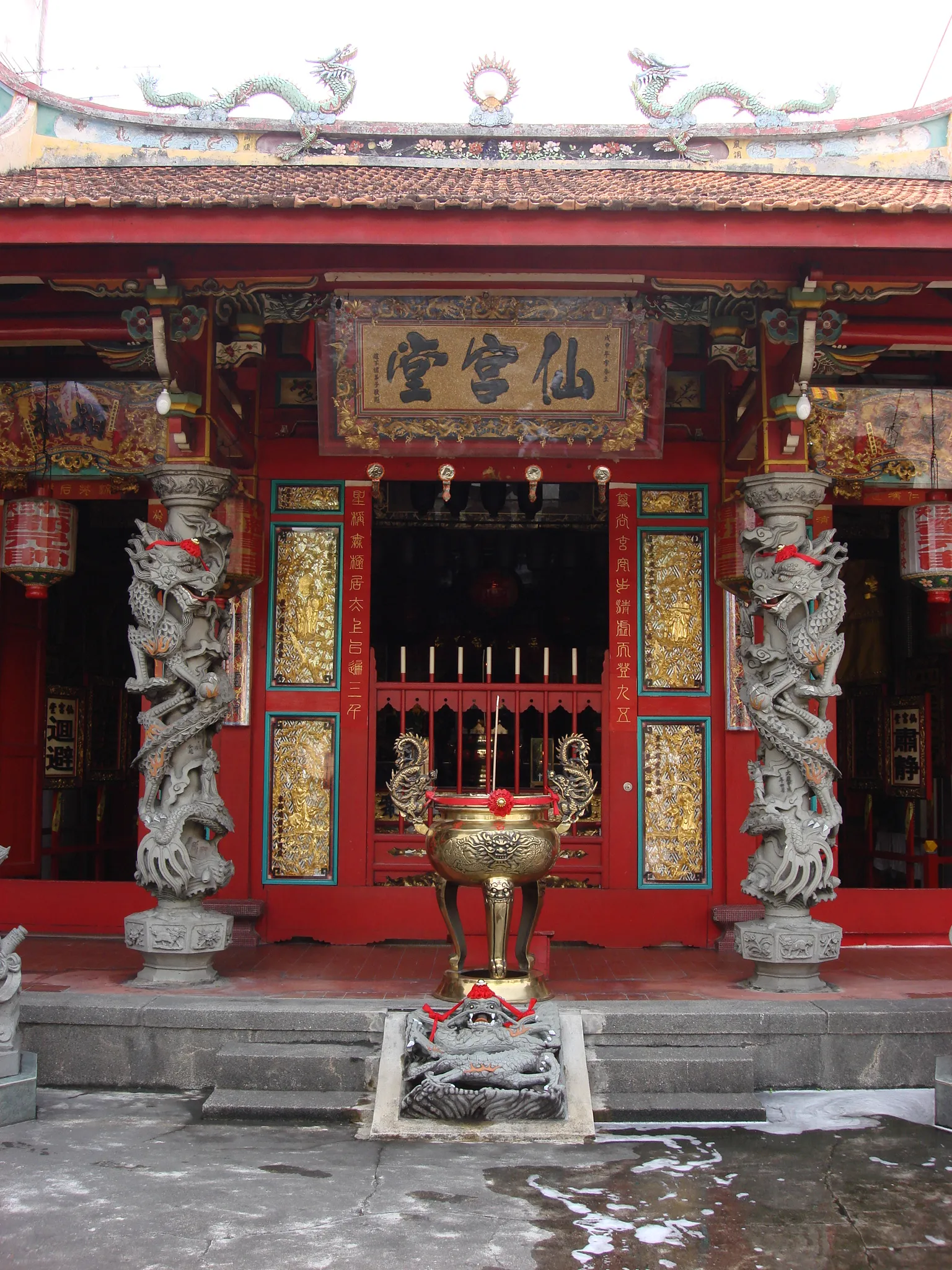
The key architectural and aesthetic highlight is the main entrance to the building. The main columns are a pair granite columns carved into lively sinuous dragons that entwine the column shaft. The entrance wall is composed of painted timbers, richly carved and ornamented in gold and silver gilding. ‘Modern’ paint colours are used for the decorative brackets. Above each doorway are entrance plaques with extravagantly carved frames.
Temple etiquettes are shown through beautifully carved signs on either side of the entrance which explicitly ban ‘women who are having periods’ and ‘mourners who are grieving over the deceased’ from entering the temple.
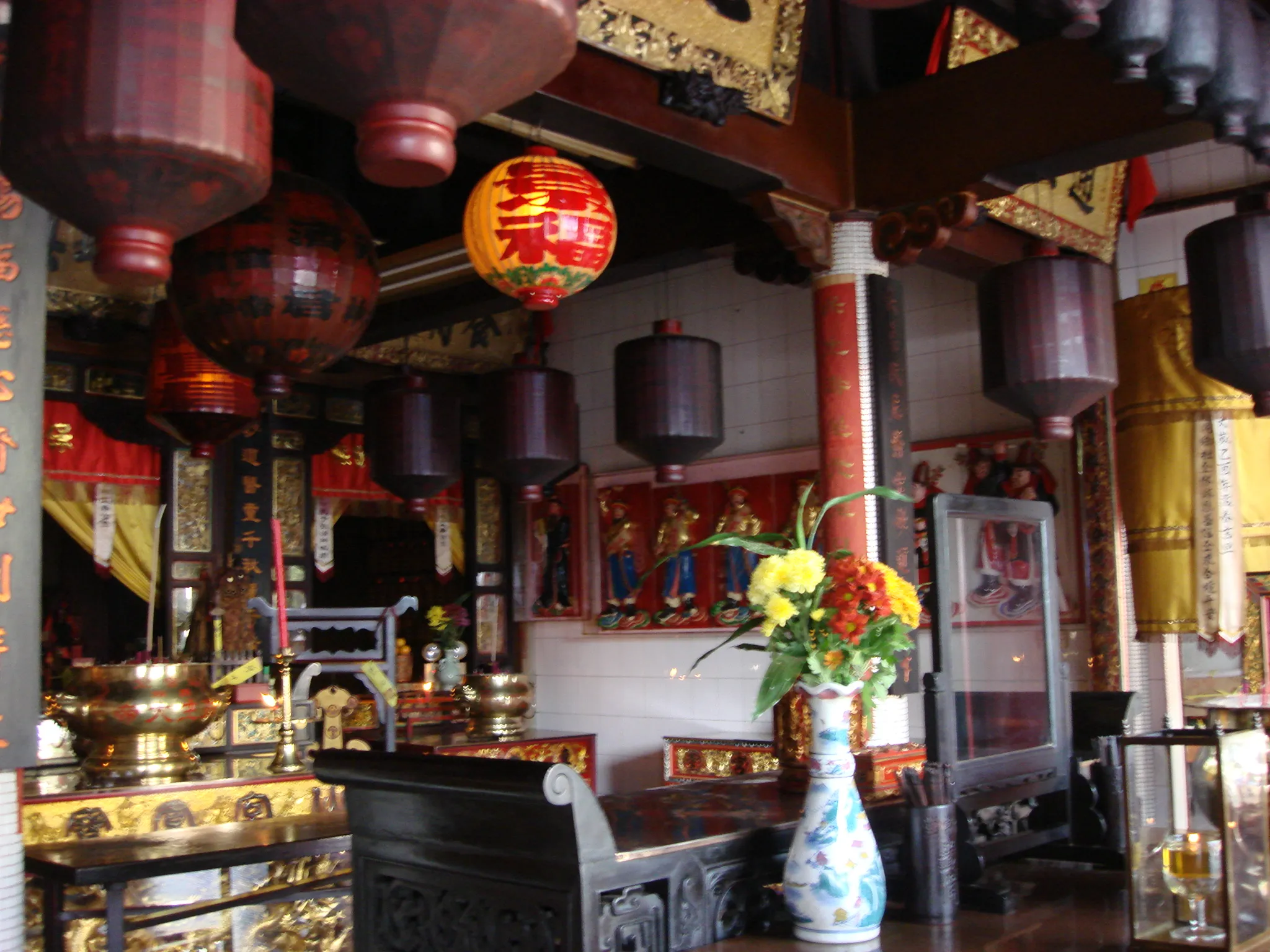
The temple is also one of the few places that still display traditional Hokkien style lanterns in place of the more common red-silk lanterns.
The Legacy
It is a landmark that adds colour and variation to the architectural landscape of the area. It continues as a physical identity marker in its locality to strengthen the sense of place for the Changi Road area.
Gazetted on 6 June 2014.
Guidelines and Procedures
All proposed works will need to comply with the Conservation Guidelines and the Specific Restoration Guidelines (SRG). Conservation Permission is required before all additions & alteration works and operations of new use can begin.
Residential Fronts are characterised by timber casement windows flanking a double-leafed timber door. All buildings with residential front which is existing and/or identified in the 'Specific Restoration Guidelines', regardless of land use zoning, shall be retained and restored.
Any proposed additions and alterations to this conserved building are subject to evaluation. Please submit your proposal for URA's review.
Apply for Specific Restoration Guidelines (SRG) (opens in new tab)
Gallery
Explore Street View
The building can be found at this street.