
Conservation Area
Sentosa Conservation Area
Applicable Guidelines
Other Building Guidelines
Conservation Area
Sentosa Conservation Area
Find out more about Sentosa Conservation Area.
Important Information
All proposed works will need to comply with the Conservation Guidelines and the Specific Restoration Guidelines (SRG). Conservation Permission is required before all additions & alteration works and operations of new use can begin.
Owners, architects and engineers intending to carry out restoration works or development within conservation areas are required to comply with the conservation principles, planning parameters and restoration guidelines for conserved shophouse and bungalow building typologies, as well as planning parameters and envelope control guidelines for new buildings within conservation areas accordingly.
For other building types, which do not conform to the standard shophouse or bungalow typology, these will be evaluated on a case-by-case basis in accordance with conservation principles. [1]
About
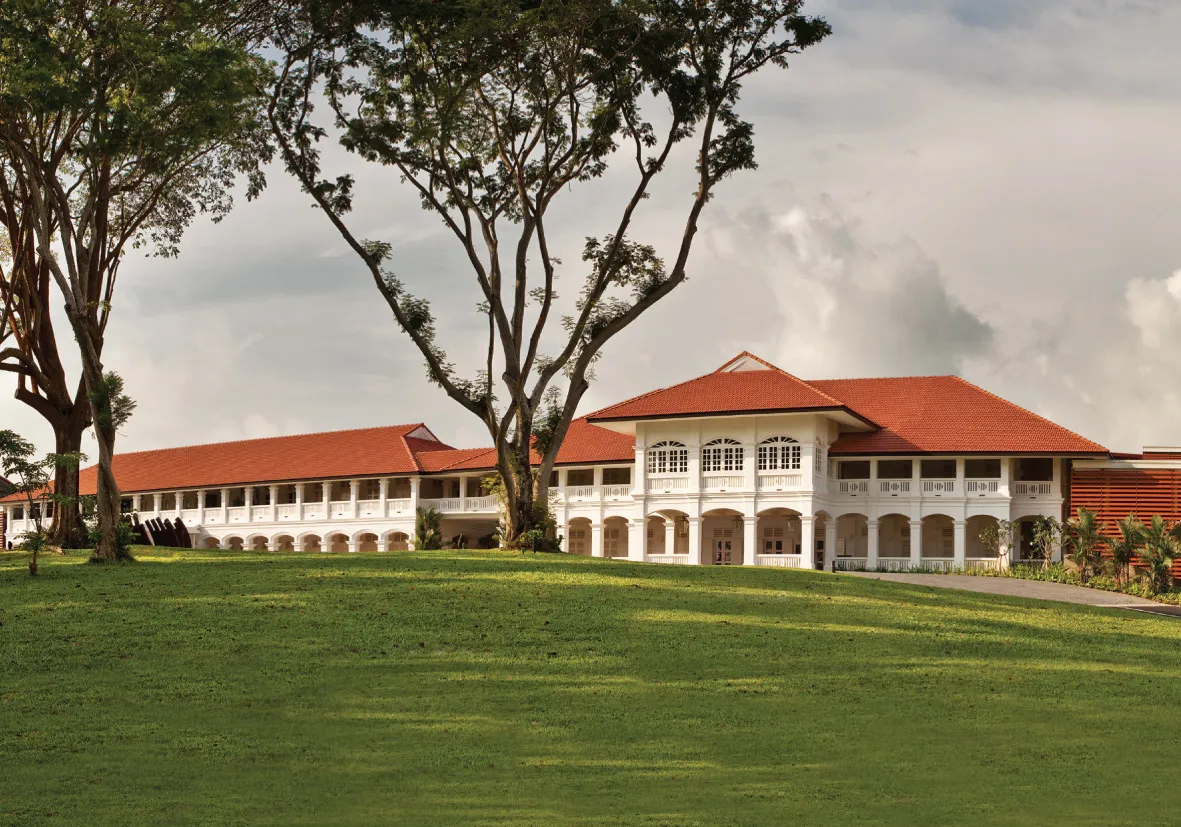
Located on Sentosa Island, Sentosa Conservation Area consists of 16 buildings which were given conservation status on 14 May 2004. They were built by the British between the 1880s to 1930s to accommodate the garrisons for the coastal defence of the island and the harbour. They are historically significant, particularly for their long military use and for many important events.
Additionally, 4 colonial buildings (Blocks 48, 49, 50 & 51 Ironside Road) in Sentosa Island. It was given conservation status on 7 August 2000. The two-storey buildings were built in the 1880s to accommodate the garrisons of British and Indian soldiers of the Royal Artillery Coastal Defence Command based on the island of Blakang Mati (now Sentosa).
Guidelines and Procedures
[1] The conservation guidelines for shophouses and bungalows will generally be applied by URA in the consideration of a development application. However, if the circumstances or planning considerations relevant to a case warrant it, URA may in its discretion decide to depart from these general guidelines. The guidelines, principles and illustrations found in the guidelines are not exhaustive in covering all possible site conditions and variations in building type. Persons intending to carry out a development are advised to take this into consideration and check with URA through enquiries or development applications to confirm if their proposals can be allowed.