
Conserved Building
38 Margaret Drive
Applicable Guidelines
Other Building Guidelines
Conservation Area
Former Commonwealth Avenue Wet Market Conservation Area
Historic address: 38 Commonwealth Avenue
Former Commonwealth Avenue Wet Market
About
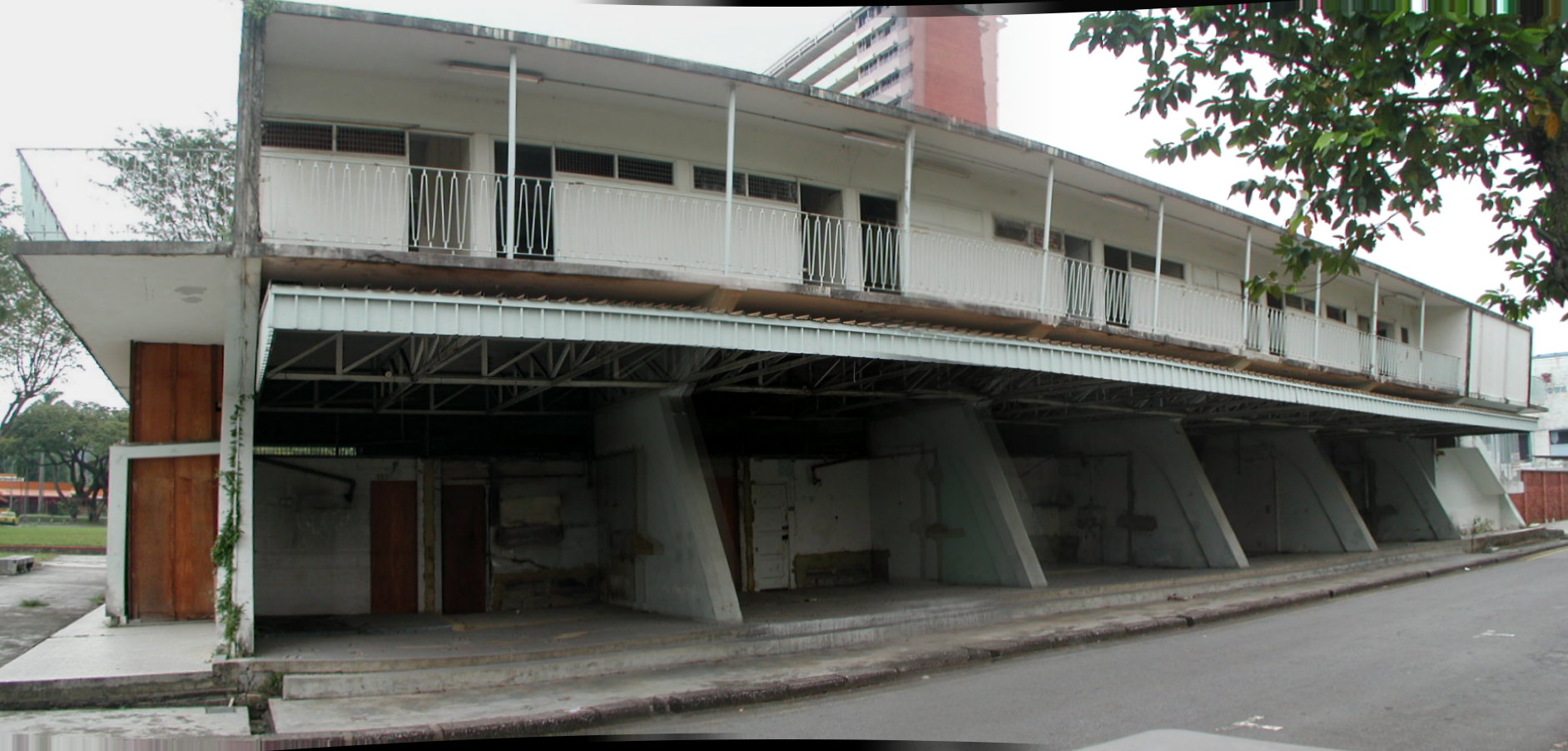
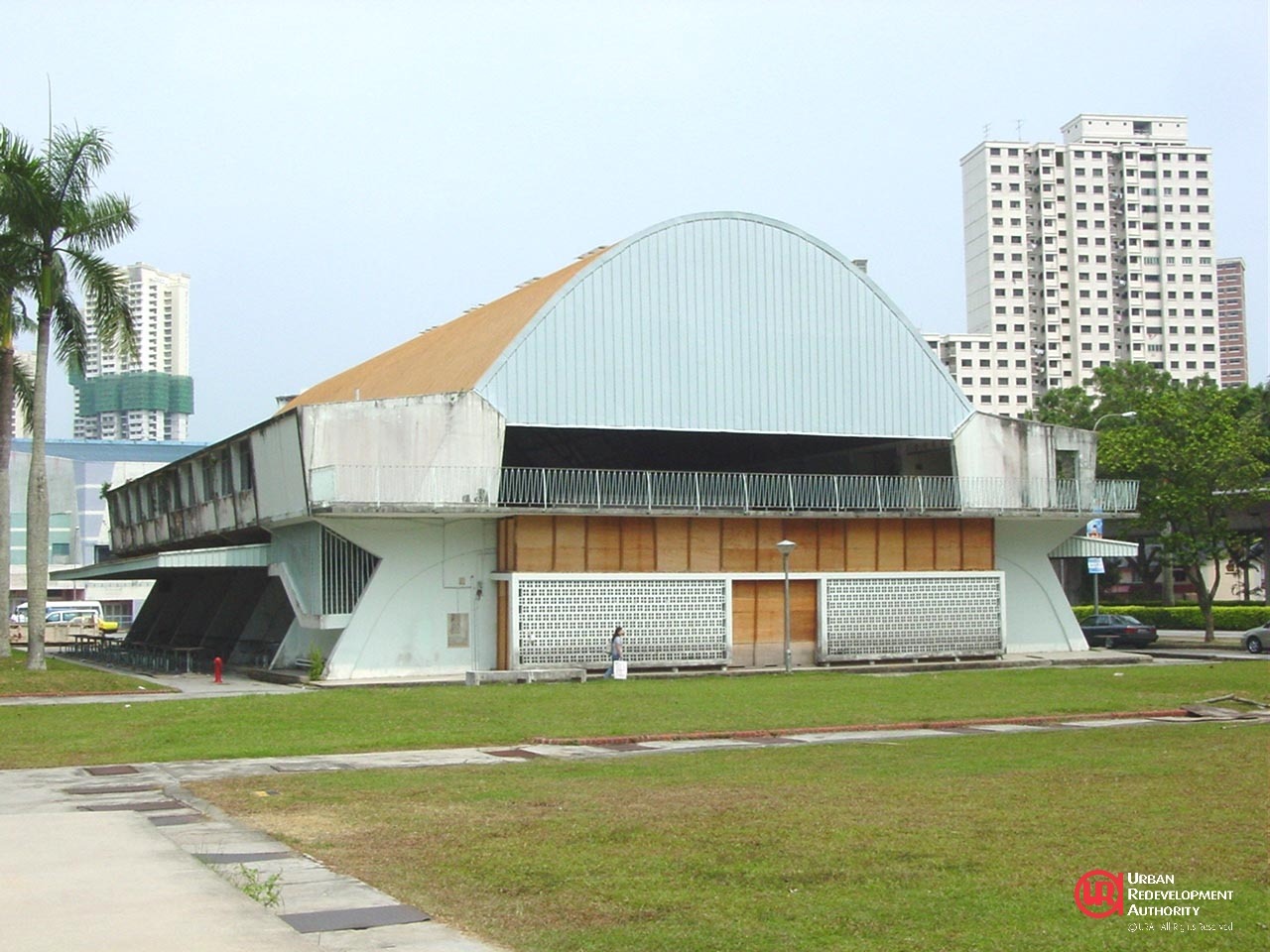
The former Commonwealth Avenue Wet Market/Food Centre, built in 1956, is a rare building, being the only remaining market in Singapore built by the Singapore Improvement Trust (SIT). The former Commonwealth Avenue Wet Market/Food Centre was one of the first such buildings to be built and is a precursor to the now accepted provision of wet markets and hawker centres in all our New Towns. The other similar market of this style was at the St Michaels' Estate, which has since been redeveloped.
The History
In the early days, fresh produce and cooked food were purchased from itinerant hawkers. Conditions were invariably unsanitary. When suburban public housing estates were set up to house the growing population, the situation improved as purpose-built covered markets and food centres were established in the neighbourhoods as a hygienic and convenient amenity for the local residents. This market became a well patronised building for many of the town's residents.
The Building
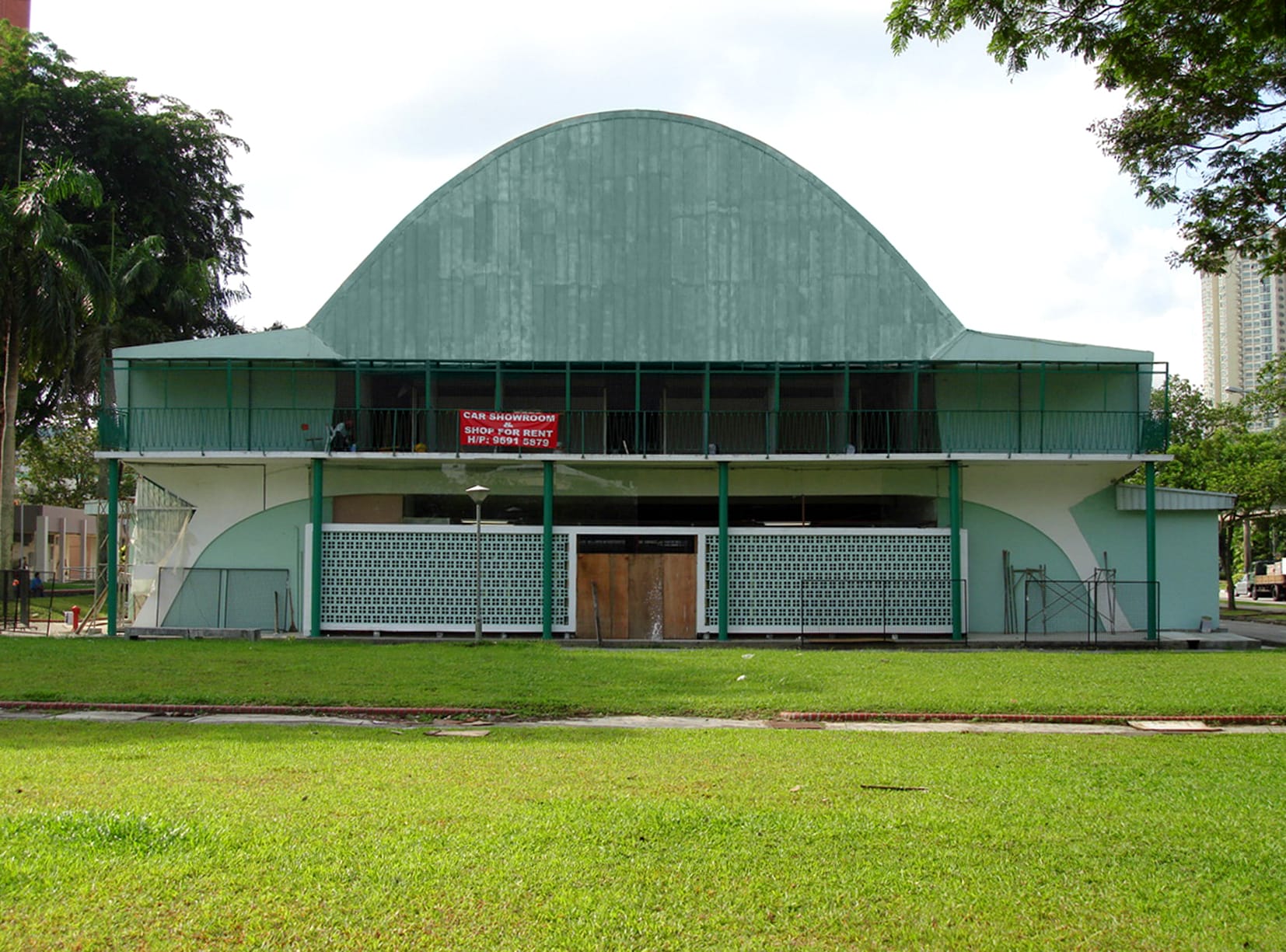
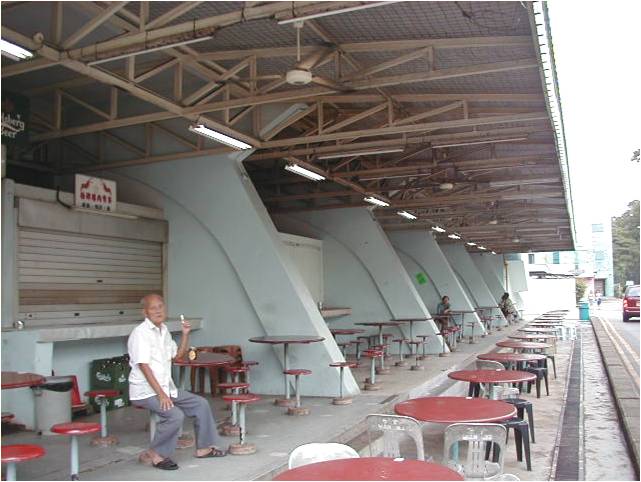
The market is of modern construction, with a pre-cast concrete first and second storey of curved concrete beams. Above the second floor is its most striking feature of a bold parabolic-vaulted metal sheet roof on steel frames. The high roof allows for rainwater to drain off quickly, responds well to the tropical climate with its high internal spaces which allow for effective air flow through the market to create a cool interior.
The second floor has an open central atrium to the ground floor. This creates a grand internal space and allows for the visitors to the market to have a good view of all the shops and stalls from either the ground or upper floors.
Functionally, the ground floor interior is used for fresh produce, while the upper floor housed ‘shops’ for dry goods and services. The cooked food stalls were lined up on the outside of the ground floor of the market, so that they would add to the street-life of the town centre.
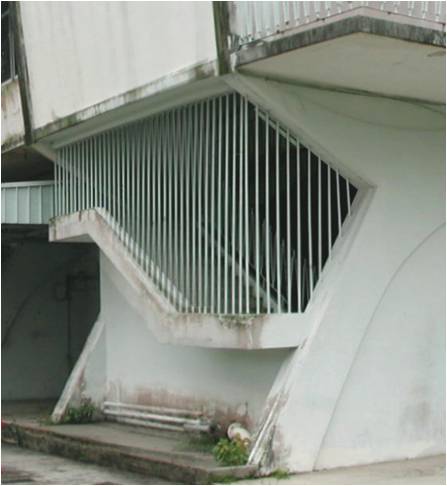
Other design features combined function with aesthetics, such as the honeycomb screen wall at ground level that allows for passage of light and air while modulating the bright tropical light. The staircases at either end have an innovative design that uses full height metal bars for both functional security as well as visual effect.
The building is a good example of a well-planned utilitarian building that shows careful consideration of the dynamic relationship between form and function.
The Legacy
For many years, standing prominently along the main road through Queenstown, the Modern-style building has served as a well-known landmark to residents of Queenstown and visitors. As a well-used icon of Queenstown’s past, it will continue to foster familiarity and identity in a changing landscape as the estate undergoes upgrading and renewal.
Gazetted on 6 June 2014.
Guidelines and Procedures
All proposed works will need to comply with the Conservation Guidelines and the Specific Restoration Guidelines (SRG). Conservation Permission is required before all additions & alteration works and operations of new use can begin.
Residential Fronts are characterised by timber casement windows flanking a double-leafed timber door. All buildings with residential front which is existing and/or identified in the 'Specific Restoration Guidelines', regardless of land use zoning, shall be retained and restored.
Any proposed additions and alterations to this conserved building are subject to evaluation. Please submit your proposal for URA's review.
Apply for Specific Restoration Guidelines (SRG) (opens in new tab)
Gallery
Explore Street View
The building can be found at this street.