
Conserved Building
5 Jalan Tambur
Applicable Guidelines
Other Building Guidelines
Conservation Area
Kiew Lee Tong Conservation Area
Historic address: 5 Jalan Tambur
Kiew Lee Tong Temple
About
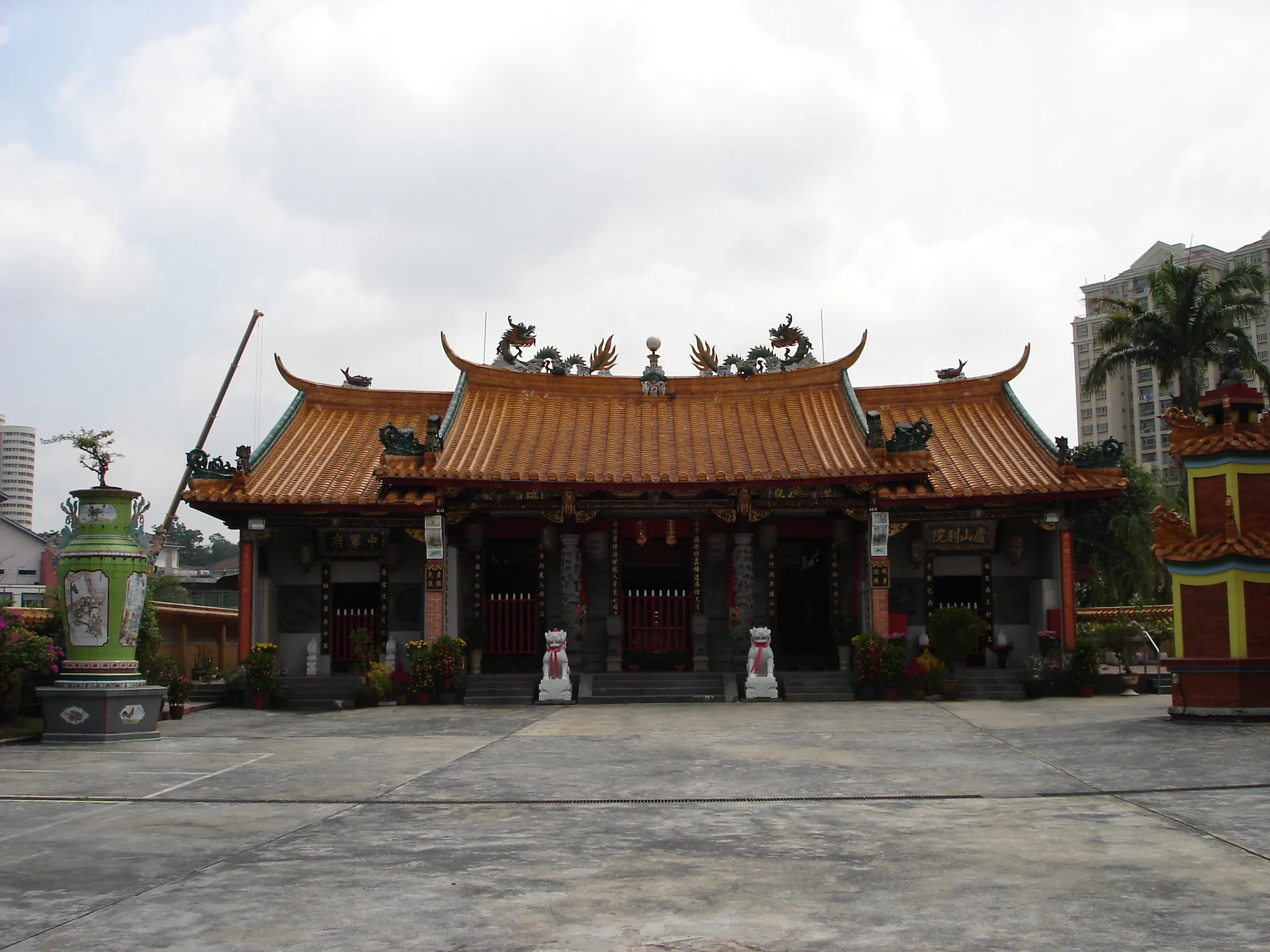
Kiew Lee Tong ((九鲤洞, Abode of the Nine Carps) is a Hokkien Taoist temple of the Henghwa community that is dedicated to Lu Xian Zhang. It is at 5 Jalan Tambur and faces Upper Thomson Road, opposite the entrance of Lower Pierce Reservoir.
The History
Established in 1934 in Arab Street, the temple commemorate the nine He brothers who, according to legend, ascended to heaven by riding on nine carps. The present building was built in 1979 and underwent renovation in 1997 – 1998. It is well-known for the “Appeasement of Spirits Ritual” held once every ten years during the Hungry Ghost Festival involving Taoist and Buddhist priests, and opera actors. This ritual started after the Second World War where thousands of local Chinese were massacred during the Japanese ‘Sook Ching’ exercises to flush out anti-Japanese elements after the Fall of Singapore in 1942.
The Building
This temple complex comprises of an elaborate gate-way leading to a large forecourt and a 3-bay main hall.
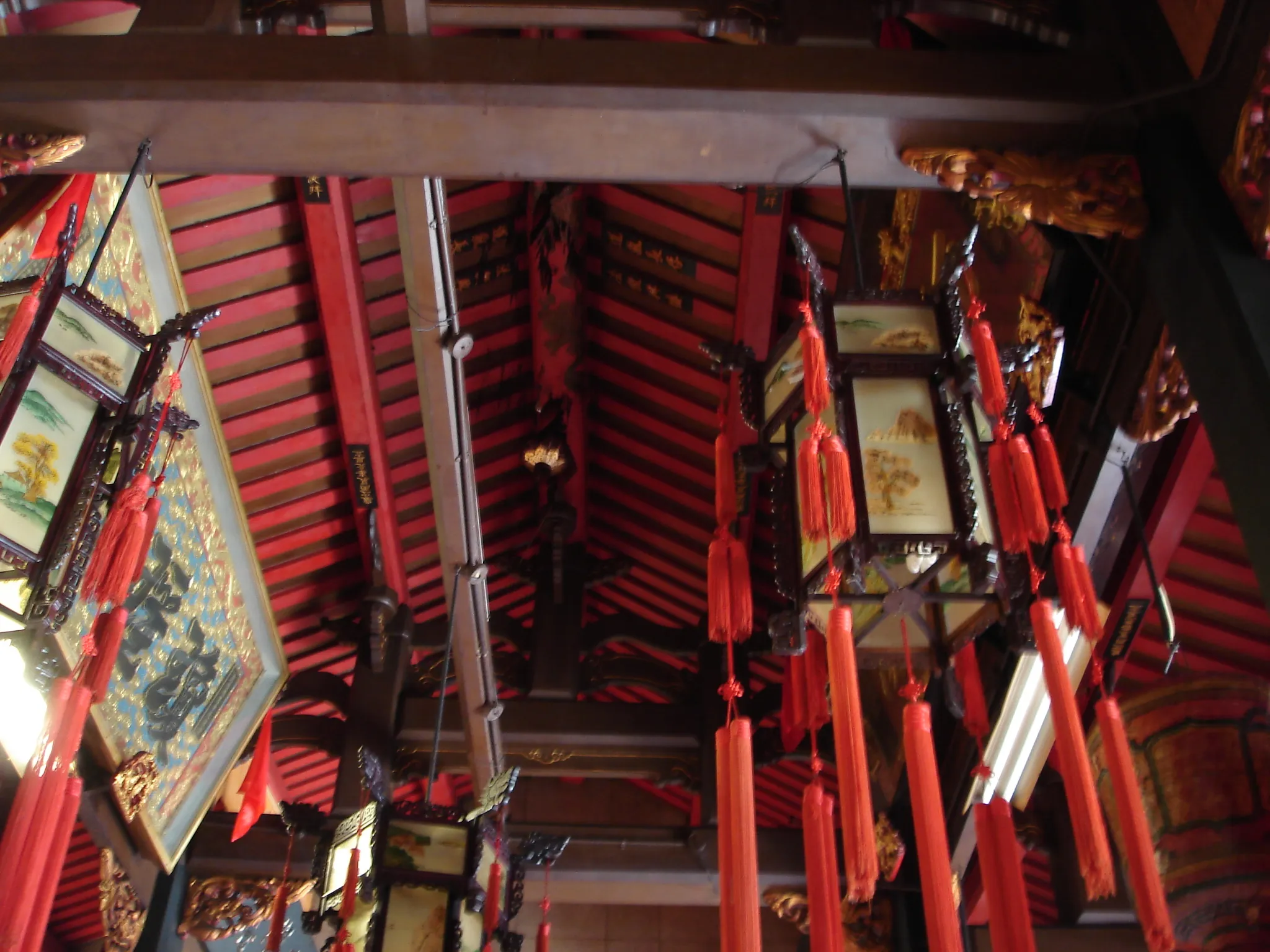
It was constructed by master craftsmen and with materials from Taiwan who carried out the design and works in traditional timber and brick. The wall structures are of exposed red-bricks which is a reference to traditional Hokkien and Taiwanese architecture. The roof is supported on a traditional post and beam system that was put together without nails.
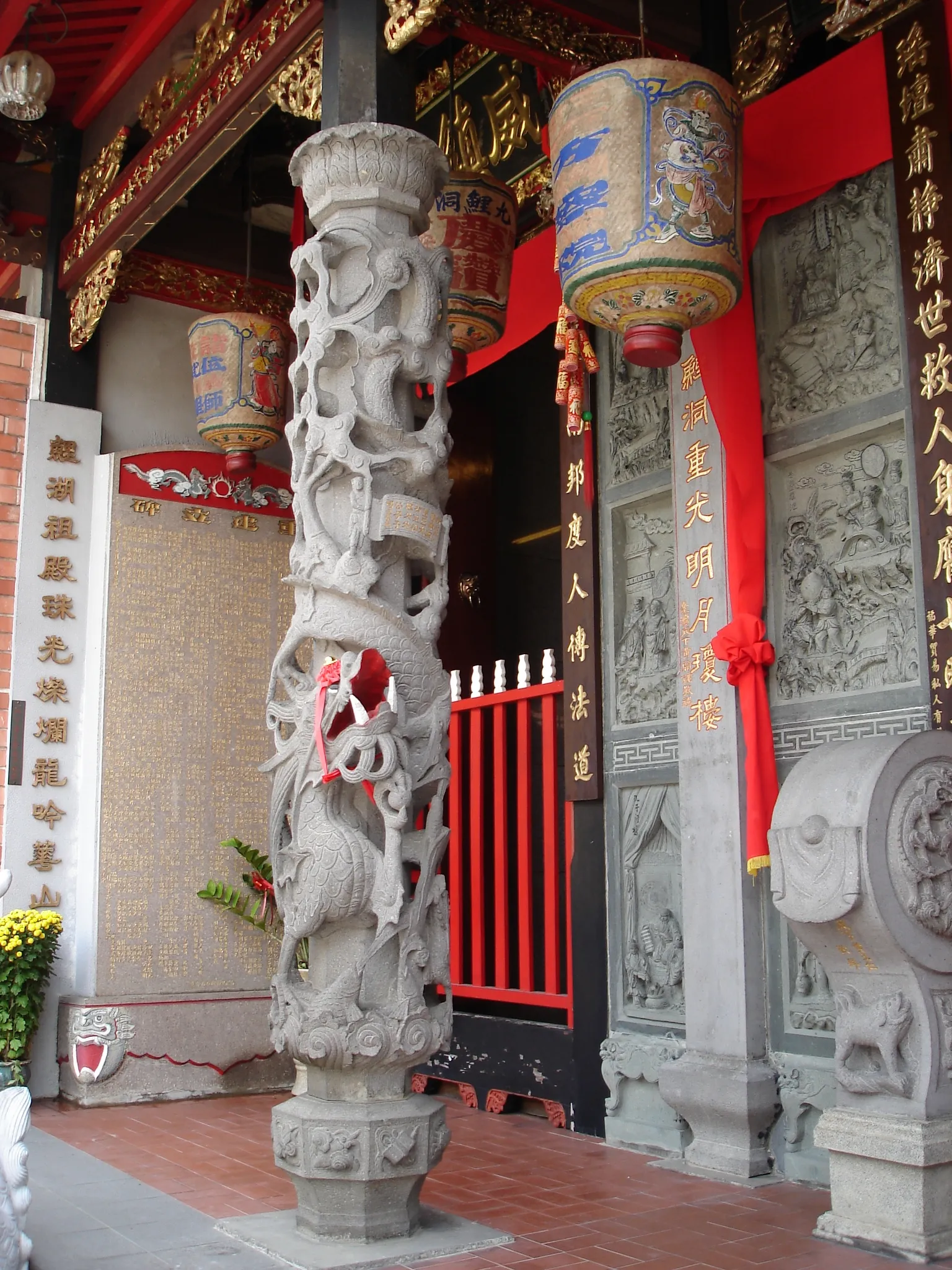
Another key feature is the use of richly carved granite panels throughout the complex. Carved granite is a key architectural feature of Hokkien architecture. The pair of carved granite dragon columns at the main entrance are finely executed and eye-catching. Above the granite work are timber works in lacquer and gold-leaf.
It has gable-and-hip roofs with curved ridges of glazed tiles with ‘Swallow’s tail’ endings. The roof ridge is adorned with a blazing pearl and two dancing dragons.
Framing the main entrances are stone steles documenting the history and benefactors of the temple.
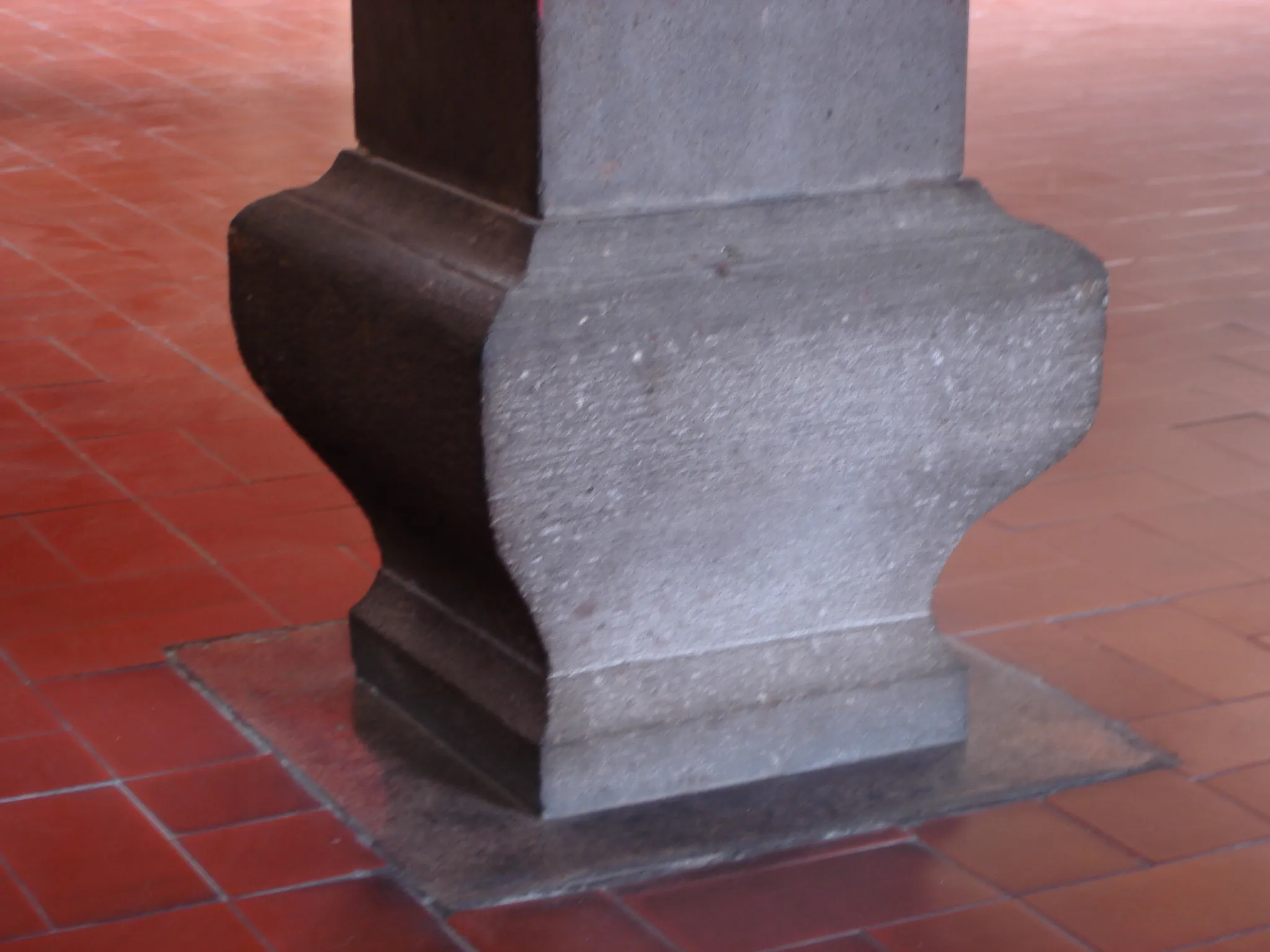
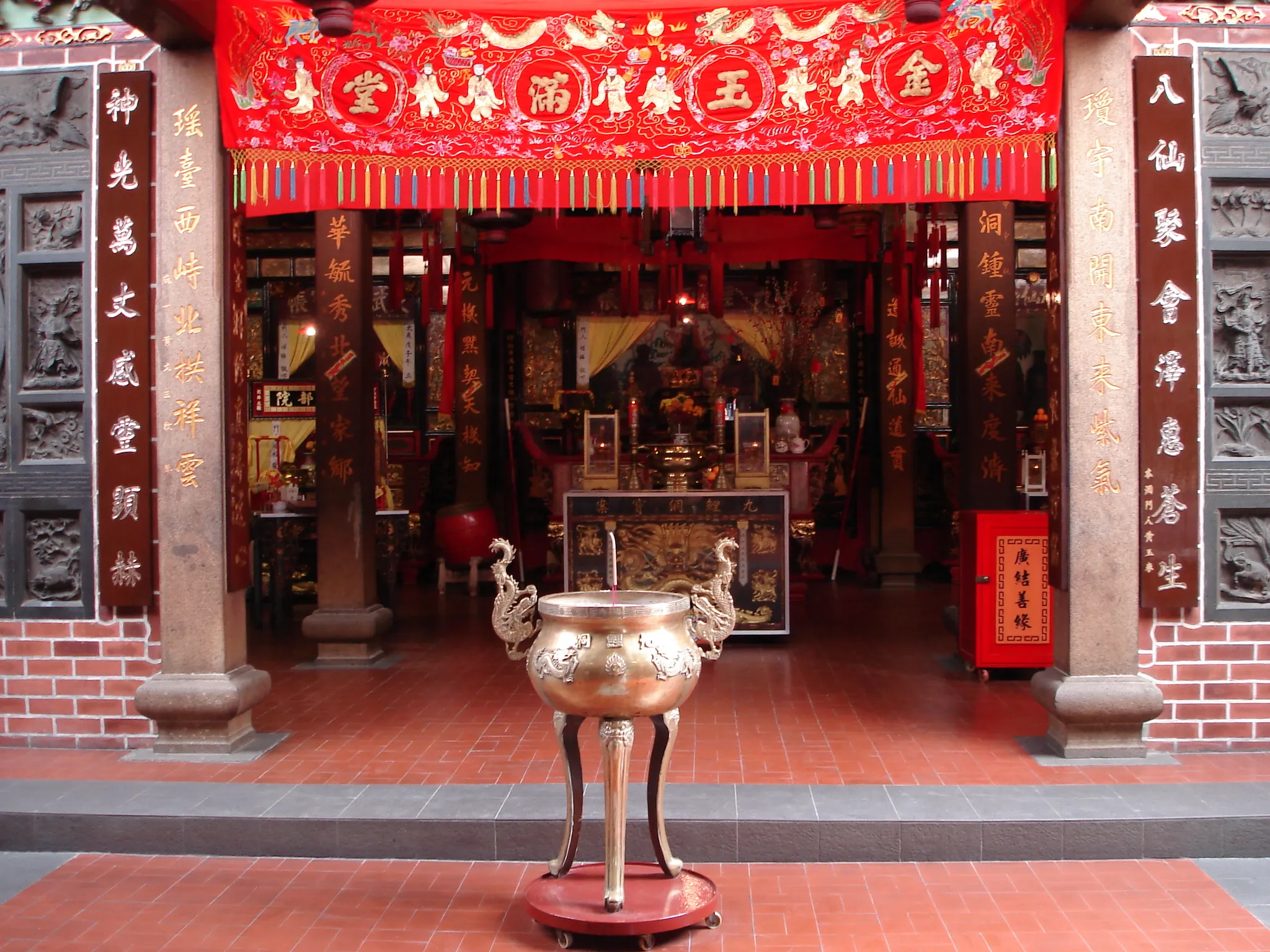
Internally, the prayer hall is spacious and supported by granite columns in place of the more typical lacquered wood columns. The columns have calligraphy incised in them, while the surrounding walls have a profusion of richly carved granite panels. The various greys of the granite and the rich earthy tones of the brick walls act to create a pleasant colour combination.
Of note within this temple is a unique arrangement of paper lanterns of different types representing the hierarchies of the deities. These lanterns can be ‘borrowed’ by devotees during a crisis. A white round lantern hangs in the inner hall, believed to swing on its own during festive occasions.
The Legacy
The temple complex enhances and contributes to the area by its scale, location, presence, setting and overall visual quality. It is a physical identity marker in its locality, strengthening the sense of place for the Upper Thomson Road area. Furthermore, it is a rare example of traditional architecture constructed in the late 20th century in Singapore, and is important community landmark for the Henghwa community.
Gazetted on 6 June 2014.
Guidelines and Procedures
All proposed works will need to comply with the Conservation Guidelines and the Specific Restoration Guidelines (SRG). Conservation Permission is required before all additions & alteration works and operations of new use can begin.
Residential Fronts are characterised by timber casement windows flanking a double-leafed timber door. All buildings with residential front which is existing and/or identified in the 'Specific Restoration Guidelines', regardless of land use zoning, shall be retained and restored.
Any proposed additions and alterations to this conserved building are subject to evaluation. Please submit your proposal for URA's review.
Apply for Specific Restoration Guidelines (SRG) (opens in new tab)
Gallery
Explore Street View
The building can be found at this street.