
Conserved Building
555 Serangoon Road
Applicable Guidelines
Other Building Guidelines
Conservation Area
Jalan Besar Conservation Area
Historic address: 555 Serangoon Road
Sri Vadapathira Kaliamman Temple
About
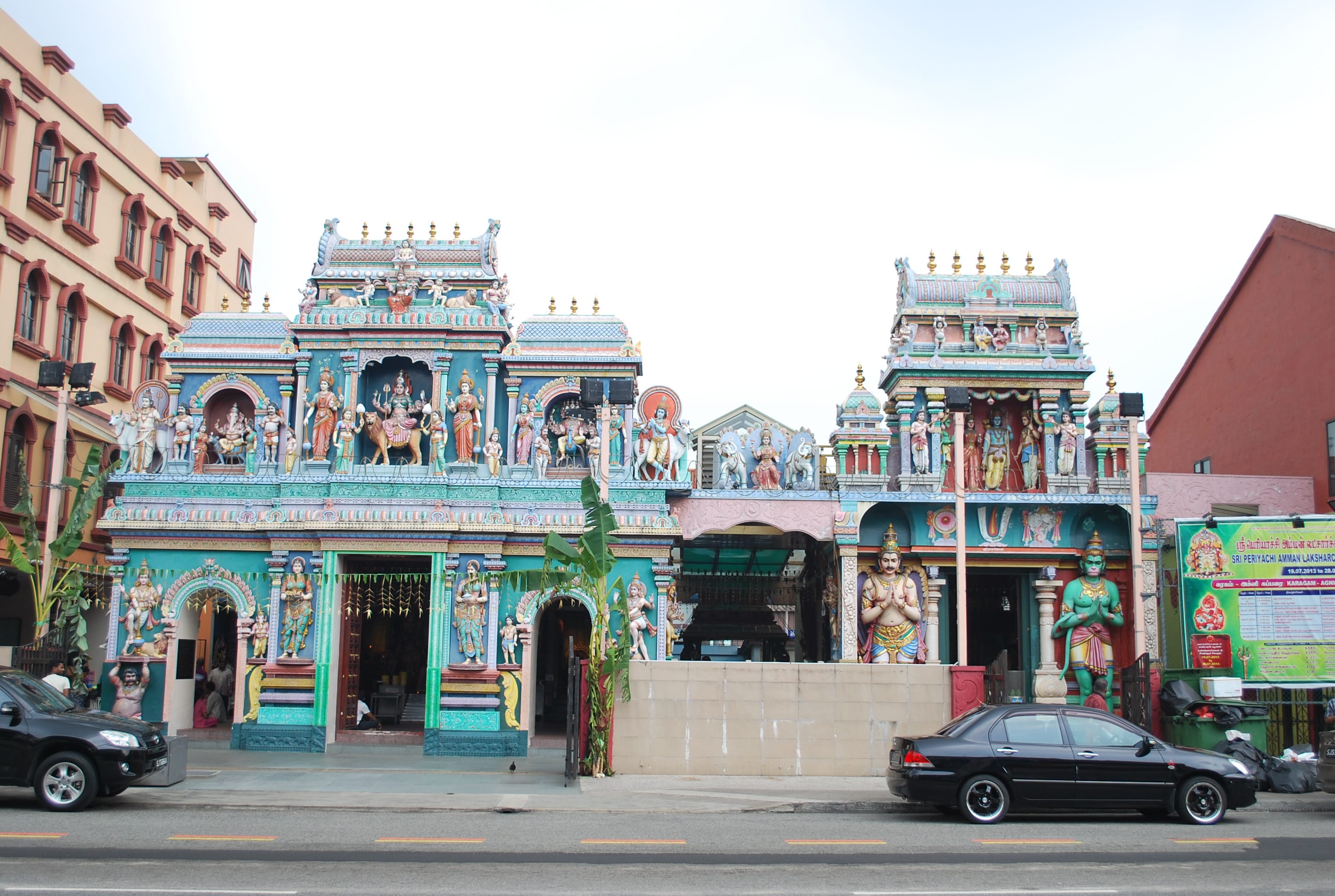
The Sri Vadapathira Kaliamman Temple is located at 555 Serangoon Road in the Jalan Besar Conservation Area. The temple was built for the worship of the Hindu Goddess, Vadapathirakaliamman. The name means the ‘pure fire protective Motherly spirit from the North’. She is the same deity as Sri Mariamman. Veeramakalimman is an attribute of the Mother Goddess.
The History
This temple is widely believed to have started in 1830 with a sole female devotee. She had placed a picture of Amman under a banyan tree that was located near the present temple. The location of the temple, at the junction of Balestier, Serangoon. Race Course and Rangoon roads, was very popular because it had several wells and water points. Many residents from nearby areas frequented the area to collect water for themselves.[1]
In I935, Mr Rengasamy Mooriyar converted the premises into a full-fledged temple and conducted the consecration ceremony, paying for the expenses from his retirement savings. Sri Vinayakar, Muruga and Ambal were the main deities of the temple. Subsequently, its management was handed over to Mr Govdindasamy Chettier, the pioneer labour contractor to Port of Singapore. He further developed the temple.
Before his death in 1948, he requested his nephew and son-in-law, S.L. Perumal to build a new “Rajagopuram” and other additions to the temple which he did at his own expense. In 1969, the temple engaged an architectural firm, craftsmen and sculptors from south India to carry out renovation to the temple. Further improvements were carried out in 1982 and 2003.
[1] http://srivadapathirakali.org/history.php
The Building
The distinct feature of the temple, visible from the main road (Serangoon Road), is its pair of gopurams, an arrangement which is unique in Singapore.
Standing guard on both sides to each entrance to the temple are large statues of deities. At the large entrance openings are huge timber doors. Each door leaf has 16 panels in filled with repeated circular floral patterns and bells.
In between the main sanctum and the gopuram is the barrel vault prayer hall. On the underside of the ceiling of the barrel vault and the interior of the prayer hall are well adorned with beautiful idols of various deities. Huge panels of paintings of various sceneries from the Hindu scriptures can also be seen on the underside of the ceiling. Carrying the barrel vault is the perimeter ring beam. This ring beam is adorned with more deities, both on its interior and exterior surfaces. Together, they give an impressive image and experience to the temple.The distinct feature of the temple, visible from the main road (Serangoon Road), is its pair of gopurams, an arrangement which is unique in Singapore.
Standing guard on both sides to each entrance to the temple are large statues of deities. At the large entrance openings are huge timber doors. Each door leaf has 16 panels in filled with repeated circular floral patterns and bells.
In between the main sanctum and the gopuram is the barrel vault prayer hall. On the underside of the ceiling of the barrel vault and the interior of the prayer hall are well adorned with beautiful idols of various deities. Huge panels of paintings of various sceneries from the Hindu scriptures can also be seen on the underside of the ceiling. Carrying the barrel vault is the perimeter ring beam. This ring beam is adorned with more deities, both on its interior and exterior surfaces. Together, they give an impressive image and experience to the temple.
The Legacy
The establishment and subsequent growth of the temple is a testament of the growth of the Tamil and Hindu community in the area. It is an integral part of the surrounding Jalan Besar area and a landmark in the architectural landscape. In addition, together with the surrounding conservation shophouses, it illustrates the history of settlement in the area and acts as a marker of community identity that strengthens the sense of place.
Gazetted on 6 June 2014.
Guidelines and Procedures
All proposed works will need to comply with the Conservation Guidelines and the Specific Restoration Guidelines (SRG). Conservation Permission is required before all additions & alteration works and operations of new use can begin.
Residential Fronts are characterised by timber casement windows flanking a double-leafed timber door. All buildings with residential front which is existing and/or identified in the 'Specific Restoration Guidelines', regardless of land use zoning, shall be retained and restored.
Any proposed additions and alterations to this conserved building are subject to evaluation. Please submit your proposal for URA’s review.
Apply for Specific Restoration Guidelines (SRG) (opens in new tab)
Explore Street View
The building can be found at this street.